
Keeping people, communities, and critical infrastructure safe is at the heart of PHMSA’s mission, but safety culture is not just a binder of rules on a shelf. It shows up in day-to-day decisions, especially when a violation, failed test, or serious incident forces everyone to stop and respond. Companies handling hazardous materials, pipelines, or fuel transport need a process that looks beyond blame and focuses on lasting behavior change.
In this blog, we will talk about how PHMSA safety culture moves from evaluation to follow-up testing that truly sticks, and how a clear structure helps CDL employers, DISA programs, and FMCSA regulators trust every decision. We will walk through what happens after a violation, how an evaluation shapes the next steps, and why a clear plan matters so much in safety-sensitive roles. You will also see how follow-up testing, supervisor support, and everyday habits on the job can turn safety from a one-time response into a lasting way of working.
Why PHMSA Safety Culture Matters
Safety culture under PHMSA is about more than ticking boxes or passing a yearly audit. It is the shared belief that safe choices are non-negotiable, especially in high-risk work around hazardous materials, pipelines, and busy transport corridors.
When a worker fails a test, causes an incident, or breaks policy, the response cannot be rushed or improvised. A structured evaluation, such as a DOT SAP Evaluation, opens the door to understanding what really happened and how broad the risk may be. A strong Return To Duty Program then makes sure any decision to restore safety-sensitive duties is careful, documented, and anchored in real accountability.
How Does Evaluation Turn Into Real Safety Change?
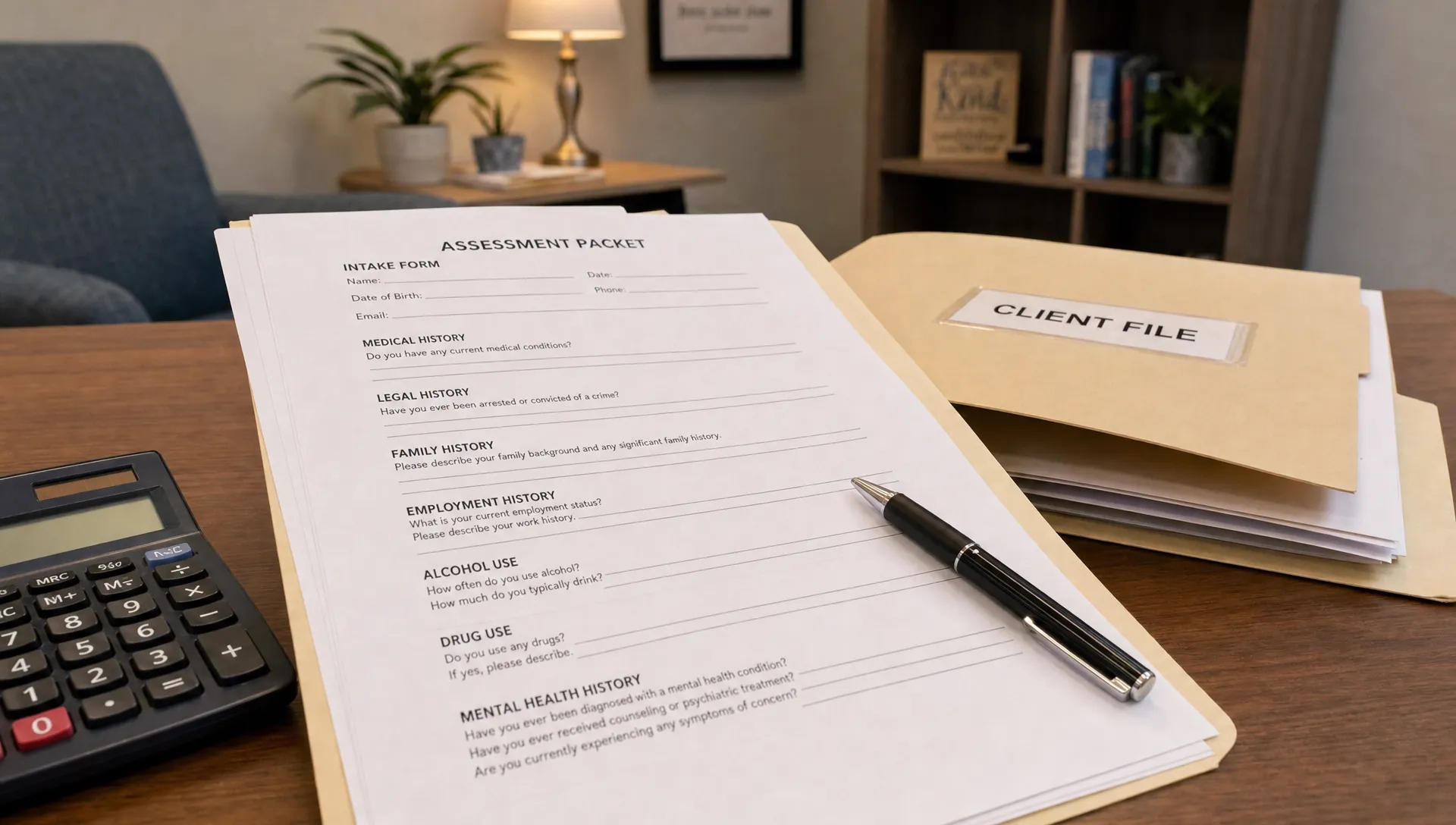
The evaluation is the starting line, not the finish. PHMSA-aligned companies look at more than a single moment of poor judgment; they study patterns, pressure points, and systems that may push workers toward risky choices. A skilled evaluator may use substance abuse evaluations, drug alcohol evaluations, mental health evaluations, and anger management evaluations to build a clear, honest risk picture. The goal is not shame, but clarity. When the SAP Return To Duty Process guides the next steps, what was learned in the evaluation converts into practical safeguards, new expectations, and better supervision that protect coworkers, communities, and critical infrastructure over the long term.
Evaluation insights often highlight areas like:
- Fatigue, scheduling, and overtime pressure
- Communication gaps between field staff and supervisors
- Unclear policies for CDL and FMCSA safety roles
- Weak follow-up after earlier warning signs
Key Roles in PHMSA-Focused Evaluations
In PHMSA-regulated operations, one decision can affect whole communities, so roles around evaluation must be clear. Evaluators focus on risk, readiness, and accurate documentation. Supervisors and safety managers control duty status, assignments, and day-to-day oversight.
HR and compliance teams align company policy with PHMSA, DOT, and FMCSA expectations, especially for CDL positions involved in hazardous materials or pipeline work. When a case touches high-consequence tasks, a PHMSA return to duty program evaluation for CDL drivers needs to reflect the real demands and risks of the job. When everyone understands the SAP Return To Duty Process, decisions connect back to a consistent safety framework rather than personal opinion or pressure.
From Violation to a Safer Return-to-Duty Path
After a violation or serious incident, the question is not “How fast can this person get back to work?” but “Can they return safely, and under what conditions?” That is where a structured Return To Duty Program becomes essential under DOT and FMCSA expectations. An evaluator may recommend specific steps, check-ins, and follow-up testing before anyone returns to a safety-sensitive CDL role.
A PHMSA return to duty program evaluation for CDL drivers links those steps to real-world risks, such as hauling hazardous materials or working near neighborhoods and waterways. When DISA or another administrator is involved, clear communication keeps everyone aligned on responsibilities and timelines.
Here is a simple snapshot of how the pieces fit together:
| Phase | Main Focus | Examples |
|---|---|---|
| Initial Evaluation | Understand risk level | Substance abuse evaluation, drug alcohol evaluation |
| Planning | Define safety steps | Duty limits, schedule changes, added check-ins |
| Return Decision | Confirm readiness | CDL clearance under FMCSA, DISA documentation |
| Follow-up Testing | Verify ongoing safety | Random tests, periodic reviews, anger checks |
Follow-Up Testing That Actually Sticks
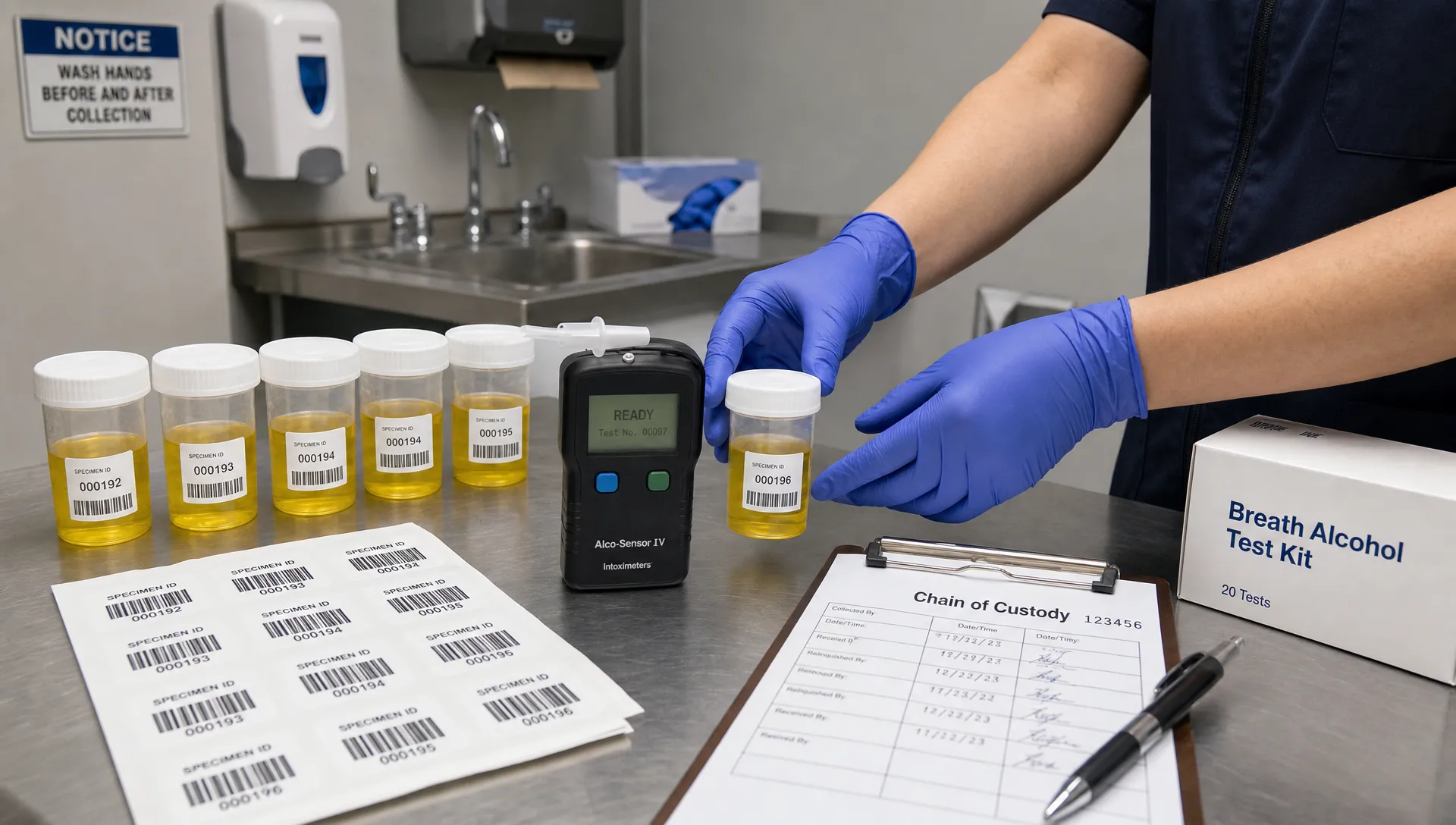
Follow-up testing should never feel like a trap or surprise. Under PHMSA, DOT, and FMCSA rules, it exists to confirm that earlier decisions were sound and that safety-sensitive workers are staying on track.
When follow-up plans are built on a careful DOT SAP Evaluation, people understand why testing is happening, how long it will last, and what success looks like. Supervisors can rely on clear schedules instead of guesswork, and CDL staff know the expectations from day one. Over time, consistent follow-up data shows whether policies are working or whether more coaching, education, or structural changes are needed across the operation.
Simple Ways to Keep Safety Culture Alive
Even the best plan fails if daily habits do not support it. PHMSA safety culture thrives when policies feel fair, consistent, and grounded in real concern for human life. Simple practices keep that culture alive long after the initial evaluation is complete. Supervisors can watch for early warning signs and respond calmly instead of ignoring them.
CDL staff can speak up about fatigue, unclear orders, or unsafe conditions without fear of retaliation. DISA, employer programs, and internal policies can be updated to reflect what evaluations reveal about pressure points in the field, at terminals, and along transport routes.
Practical habits that reinforce safety culture include:
- Quick debriefs after incidents or near-misses
- Refresher training tied to real cases, not generic slides
- Open channels for reporting concerns anonymously
- Recognizing workers who model safe decisions under pressure
Turning PHMSA Expectations Into Everyday Practice
At its best, PHMSA safety culture is not a slogan on a poster; it is the way organizations respond when something goes wrong and how they verify change afterward. Thoughtful evaluations, clear plans, and consistent follow-up testing work together to protect workers, neighbors, and critical infrastructure. When companies take substance abuse, drug and alcohol, mental health, and anger management evaluations seriously, they show that safety is non-negotiable, not optional.
If you are navigating these expectations, our team at Affordable Evaluations is ready to help. Here at Affordable Evaluations, our experts design PHMSA-aware evaluations, SAP Return To Duty Process-based planning, and Return To Duty Program follow-up structures that respect DISA, CDL, and FMCSA standards while keeping real people and real communities genuinely safe. Contact our team today to put a PHMSA-strong return-to-duty plan into action.
People Also Ask
Q1. Who does PHMSA safety culture mainly apply to?
PHMSA safety culture mainly applies to companies involved in pipelines, hazardous materials transport, and related operations where incidents can affect communities, the environment, and critical infrastructure.
Q2. How is a PHMSA-focused return-to-duty decision made?
A PHMSA-aware return-to-duty decision usually depends on evaluation findings, compliance with DOT and FMCSA rules, clear documentation, and a follow-up testing plan that fits the worker’s actual safety-sensitive role.
Q3. Can PHMSA-related evaluations be coordinated with DISA or employer programs?
Yes. Many organizations coordinate PHMSA-related evaluations with DISA or other third-party programs so CDL, DOT, and internal safety requirements stay aligned and easy to verify.