
Court-ordered online substance abuse evaluations can feel confusing, especially when you are trying to meet a deadline and protect your license, job, or family. You might be told you need an evaluation for a DUI, a drug charge, probation, a child custody case, or to get your driver’s license back, and then hear different answers about whether online is allowed. Getting clear on the rules before you book saves time and stress.
In many places, telehealth works just fine. In others, a judge, county, or licensing board still wants you to sit in a local office. The hard part is that the rules change by state and even by courtroom. Our goal is to help you understand the big patterns, know what to ask, and pick the kind of evaluation that will actually be accepted for your case.
How Court-Ordered Substance Abuse Evaluations Work
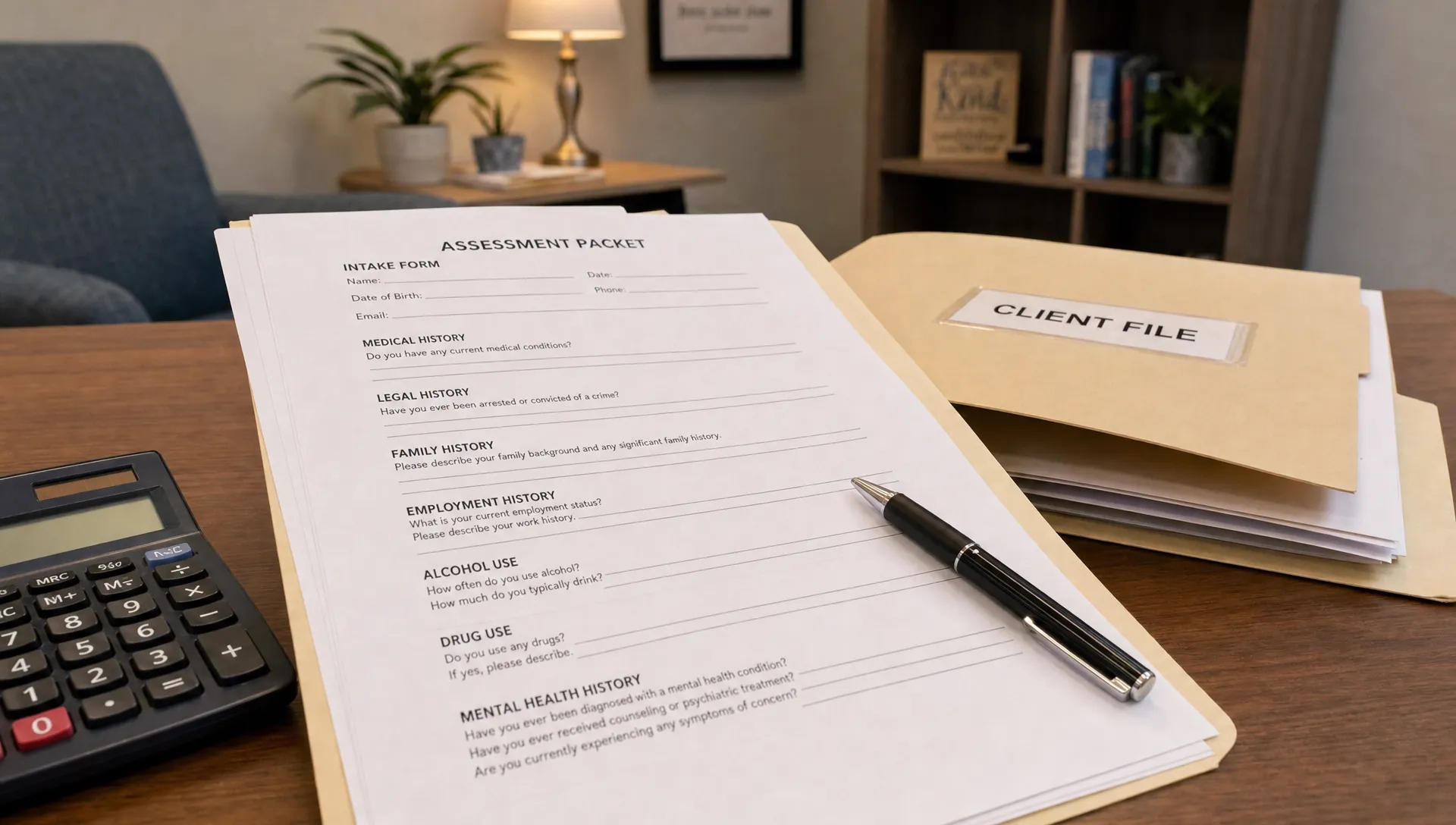
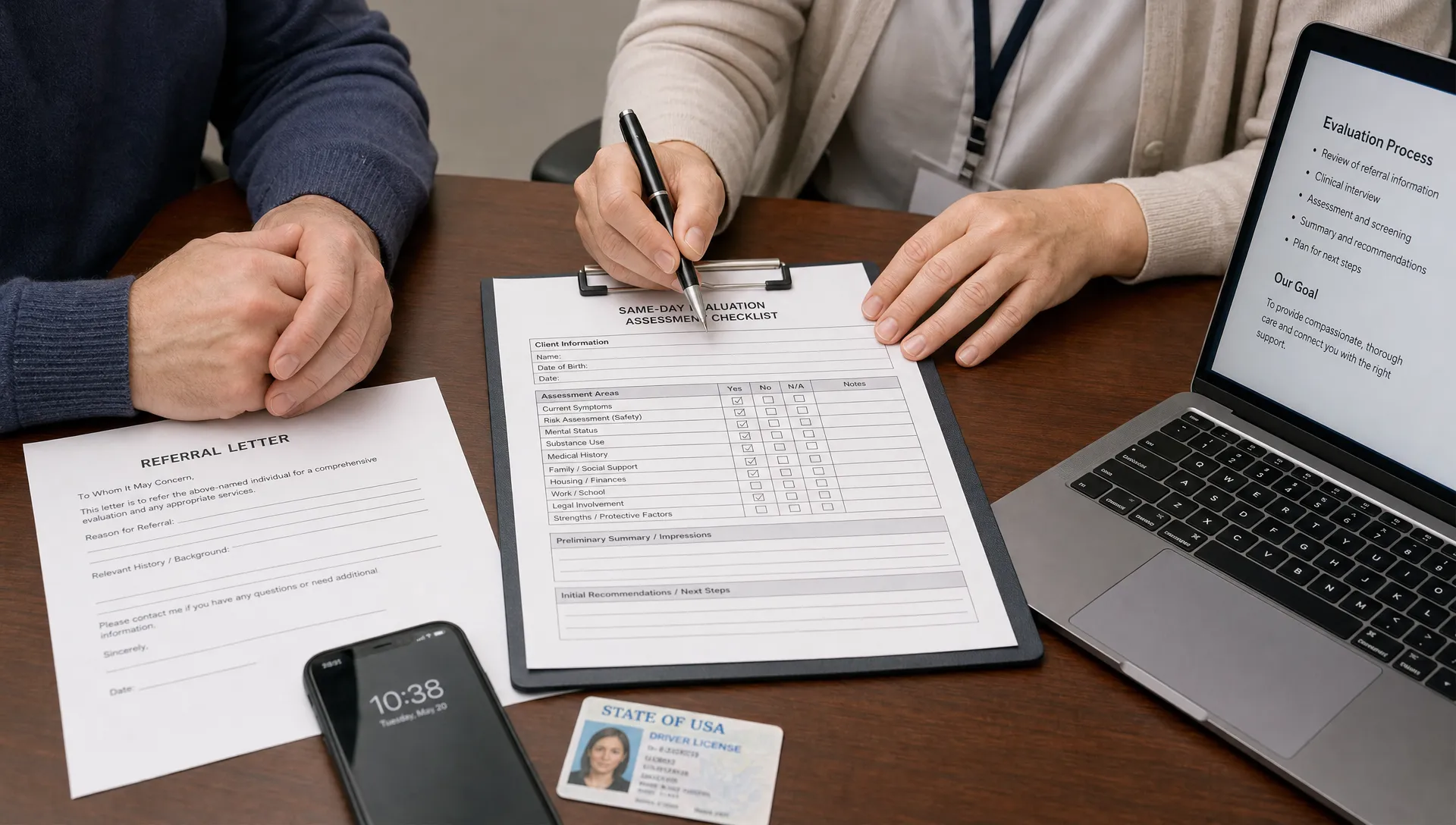
An online substance abuse evaluation is not a quick chat. It is a structured clinical visit. A typical evaluation includes:
- Intake questions about your background
- A detailed interview about alcohol and drug use
- Standard screening tools that help measure risk
- A review of your legal, medical, and treatment history
- A written report with clear recommendations
Courts, probation, and agencies ask for these evaluations in many situations, such as:
- DUI or DWI cases
- Drug possession or paraphernalia cases
- Family court and child custody disputes
- Probation or parole compliance
- Employer or licensing board requirements
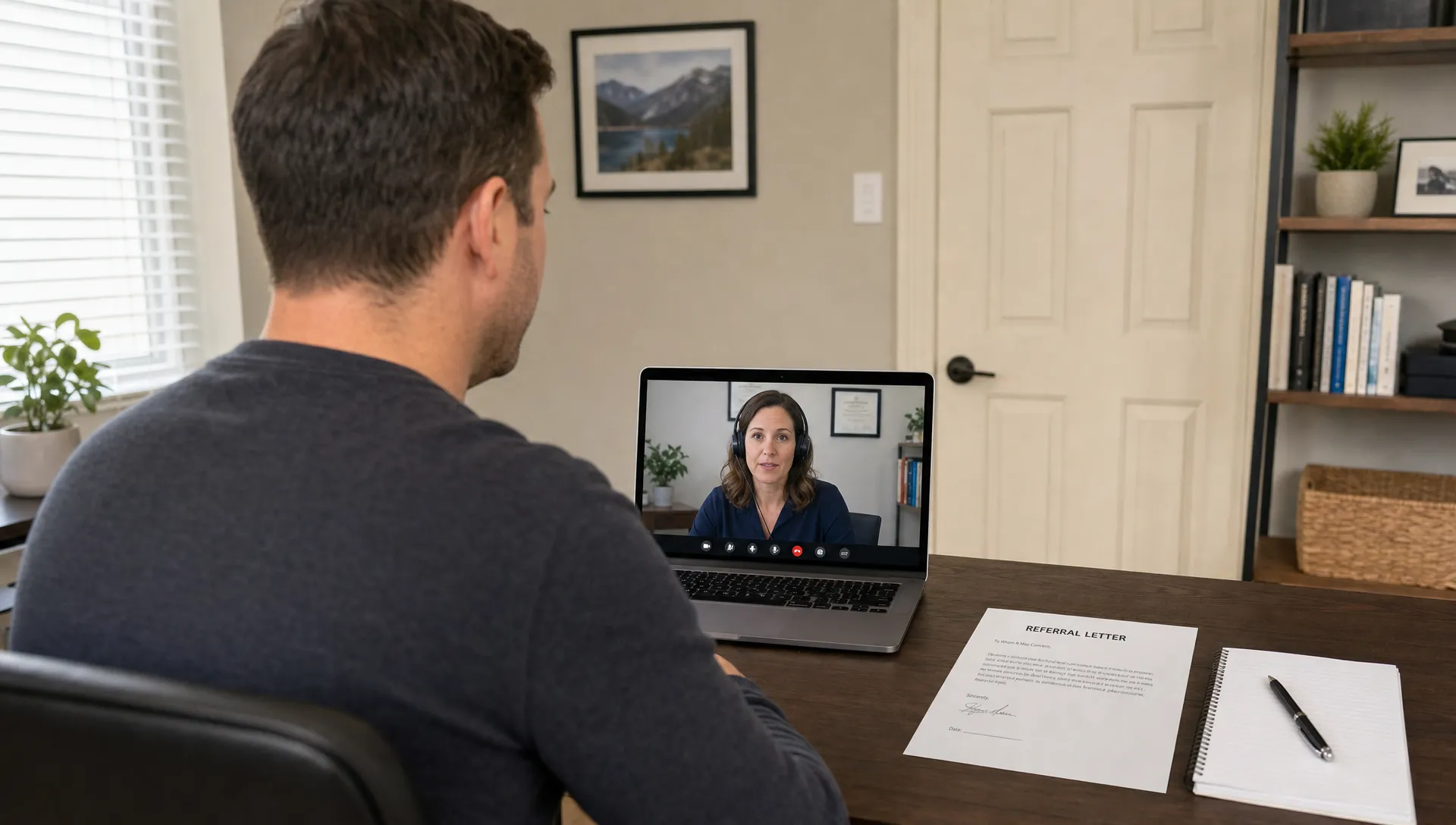
Telehealth has grown because it solves real problems. It can help people in rural areas, those without easy transportation, or those juggling work and kids. Online visits can often be set up faster than in-office visits. Still, some courts and agencies prefer in-person meetings, especially if they see the case as high risk or if their local rules say face-to-face is needed.
When Online Evaluations Are Usually Accepted
Many courts now accept an online substance abuse evaluation in lower-risk situations. Common examples include:
- First-time DUI or DWI without injuries
- Minor possession charges
- Probation check-ins for people with no new violations
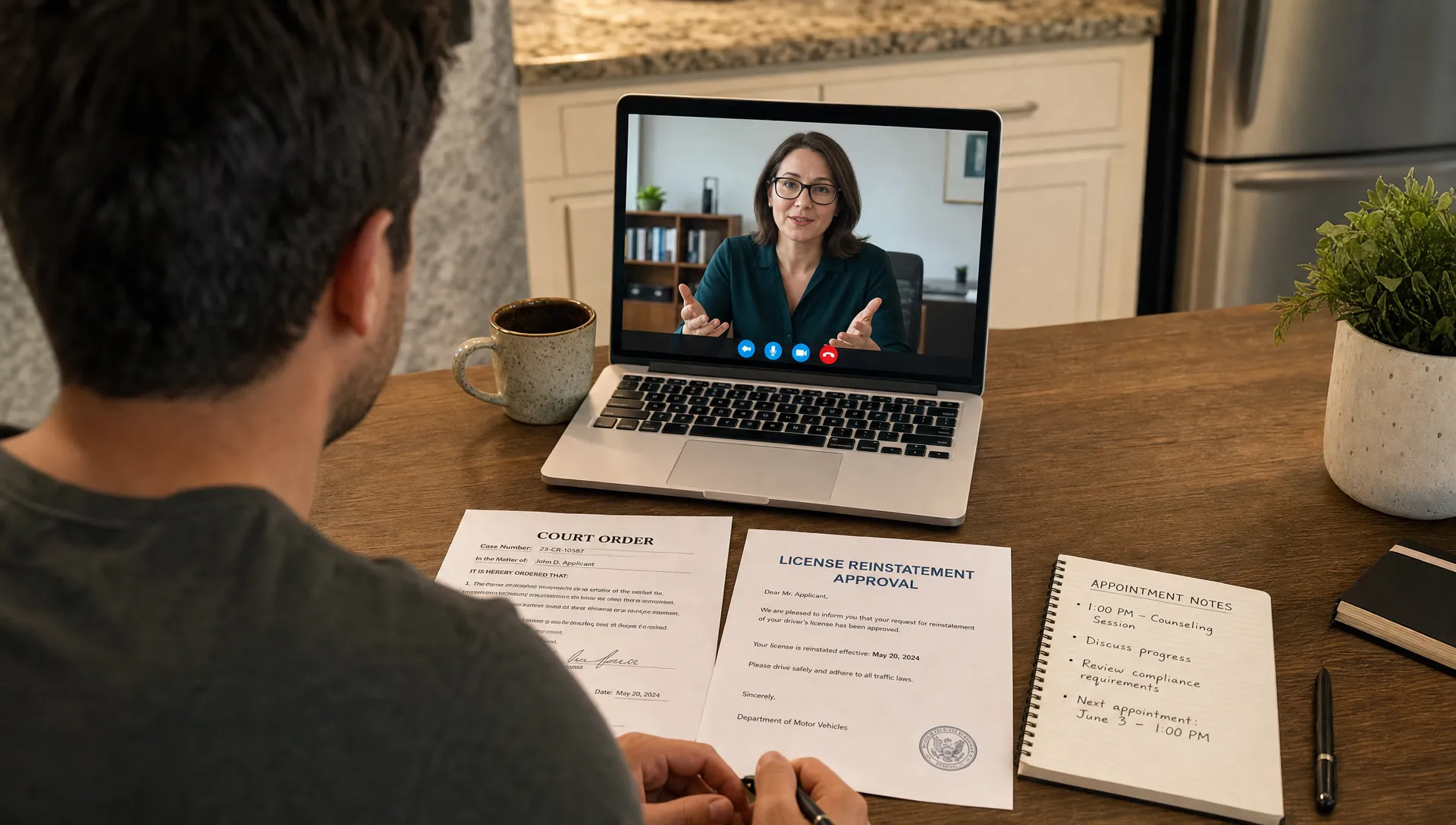
- License or DMV matters where the main issue is education, not long-term treatment
Across the country, a lot of states decided to keep telehealth rules that were first used during public health emergencies. In many places, as long as the evaluator is licensed in the state where you are located and uses a secure platform, telehealth is treated like an office visit.
To meet court expectations, we structure our telehealth sessions much like in-person ones. That usually means:
- Verifying your identity at the start of the session
- Asking detailed questions, not just yes-or-no questions
- Documenting our clinical impressions clearly
- Giving a clear risk level and practical recommendations in the written report
Judges, probation officers, and attorneys are used to reading these kinds of reports. The key is not just that the visit is online, but that the process is professional and matches what the decision-makers expect to see.
When in-Person Evaluations May Still Be Required
There are still times when in-person is more likely to be required or strongly preferred. These might include:
- Repeat DUI or DWI offenses
- Felony-level alcohol or drug charges
- Crashes involving serious injury or death
- Cases with long histories of substance use and failed treatment
- Courts or counties with written rules against online evaluations
Some licensing boards or employers, especially in safety-sensitive work, may also demand in-person contact. That can include certain roles related to transportation or heavy equipment, where there is more concern about public safety. Sometimes a board is fine with part of the process online, but still wants at least one in-person visit for confirmation.
Before someone books with us, we like to help them figure out what is actually required. We look at:
- Court orders and probation paperwork
- Notes from attorneys or hearing officers
- Any instructions from employers or licensing boards
When needed, we may suggest that the person or their attorney confirm with the court or officer. If we believe the rules clearly require local in-person care, we explain that so they do not waste time or money on an option that could be rejected.
State Rules to Check Before You Book
Every state handles telehealth a little differently. The main things that tend to vary are:
- Whether behavioral telehealth is clearly allowed in state law
- Whether the clinician must hold a license in the client’s state
- Whether statewide courts have given guidance about using online evaluations in criminal, family, or license cases
Here are simple steps you can take before you set anything up:
- Read your court order closely. Look for words like “in-person,” “face-to-face,” or “licensed in this state.”
- If you have an attorney, ask them directly if telehealth is acceptable for your kind of case.
- If you do not have an attorney, ask your probation officer, court clerk, or caseworker what they will accept.
- Confirm that any evaluator you choose is properly licensed for your state and familiar with court work.
Our practice works across multiple states using licensed clinicians who understand local expectations for reports, wording, and recommendations. We keep up with changing telehealth rules so that when you complete an evaluation, you have a much better chance it will be accepted without delays or do-overs.
Online SAP, Return-to-Duty, and Making the Most of Your Appointment
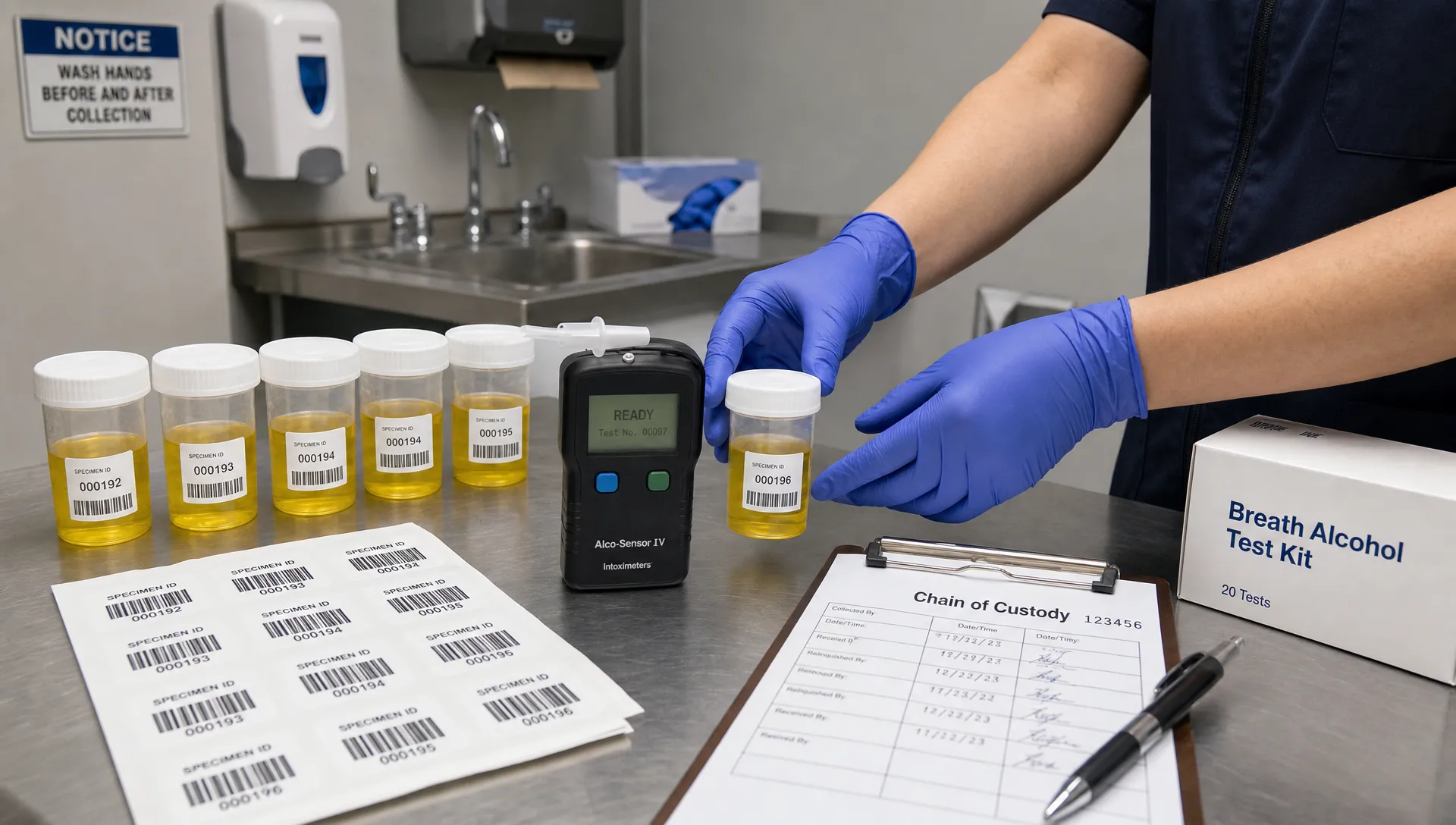
For workers in safety-sensitive jobs, a DOT SAP (Substance Abuse Professional) evaluation is required after certain violations, such as:
- A positive DOT drug or alcohol test
- A refusal to test
- Other violations of DOT drug and alcohol rules
A SAP evaluation creates a clear path back to work, including an assessment, a plan for education or treatment, a return-to-duty test, and follow-up testing. We provide DOT and non-DOT SAP services by telehealth, then work with Designated Employer Representatives so they get the documentation they need.
These programs often connect with court or employer rules. For example, a worker might need to complete a SAP process to keep a job, while also showing the same records to probation or a licensing agency. Online options can help people stay on track with deadlines during busy times like late spring and summer, when road work, travel, and construction tend to pick up and schedules get tight.
To get the most from any online substance abuse evaluation, a little prep goes a long way. We suggest you:
- Gather court papers, prior evaluations, and any treatment records
- Have any drug or alcohol test results handy
- Choose a private, quiet space where you will not be interrupted
- Test your internet, camera, and microphone before your session
During the appointment, we pay attention to honesty, patterns of use, safety concerns, and also strengths like steady work, family support, faith, or prior treatment efforts. All of that shapes what we recommend.
Timing matters too. As the weather gets warmer, courts, DMVs, and employers can get busier. Reports still take time to write, review, and send. Planning ahead helps you avoid last-minute stress and missed dates, and helps the people reviewing your case see that you are taking the process seriously.
Take The Next Step Toward Meeting Your Court or Employer Requirements
If you are ready to schedule your court-ordered or employer-required online substance abuse evaluation, we can help you understand what your state accepts and get your appointment set up quickly. At Affordable Evaluations, we provide licensed assessments, DOT and non-DOT SAP return-to-duty services, and related counseling through secure telehealth where allowed. Our team will explain exactly what documentation you need and coordinate with your attorney, probation officer, employer, or licensing agency when appropriate. If you have questions about your specific situation or state rules, please contact us so we can review your options.