When a Positive DOT Test Changes Everything
A positive DOT drug or alcohol test can flip a normal workday upside down. One minute a driver is on the schedule, the next they must be pulled from the road, HR is getting calls, and everyone is trying to remember the rules. Those first hours matter for safety, for compliance, and for protecting the company.
In this guide, we walk through what happens in the first 72 hours after a positive DOT test or refusal. We break down employer responsibilities, FMCSA Clearinghouse reporting, and how a strong return-to-duty program helps both the employee and the company. Our goal is to give you a clear, simple roadmap so you are not guessing under pressure.
The First 24 Hours After a Positive DOT Test
When a DOT test comes back positive or is reported as a refusal, the first step is to remove the employee from all safety-sensitive work. This is not optional. It applies to:
- Driving a commercial motor vehicle
- Loading or unloading when it affects safety
- Inspecting or repairing a truck
- Sitting behind the wheel or standing by a vehicle ready to drive
This rule applies no matter what type of test it was. Pre-employment, random, post-accident, reasonable suspicion, and follow-up testing are all treated the same way under DOT rules.
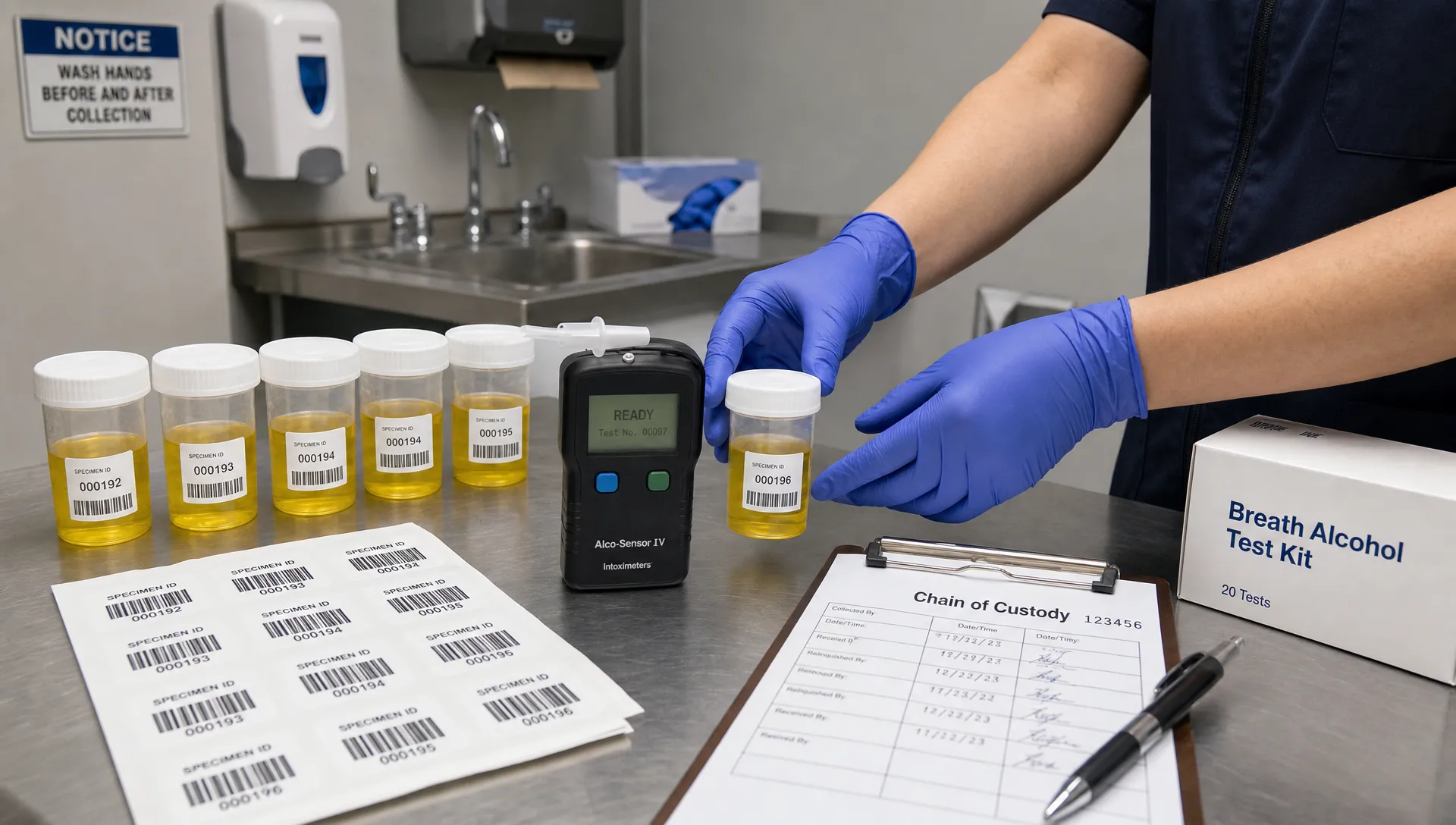
Next, the employer needs to confirm and document the result from the Medical Review Officer, often called the MRO. The MRO is the one who verifies the test result and reports it. Once that result is confirmed, it is important to:
- Save a copy of the MRO report in a secure file
- Record the date and time the result was received
- Write down who in the company was notified and when
When you tell the employee, it helps to keep the conversation calm and clear. Explain that DOT rules require removal from safety-sensitive work, explain that the result is verified, and let them know the next step is a Substance Abuse Professional, or SAP, evaluation. Keeping notes of this conversation also protects the company during an audit.
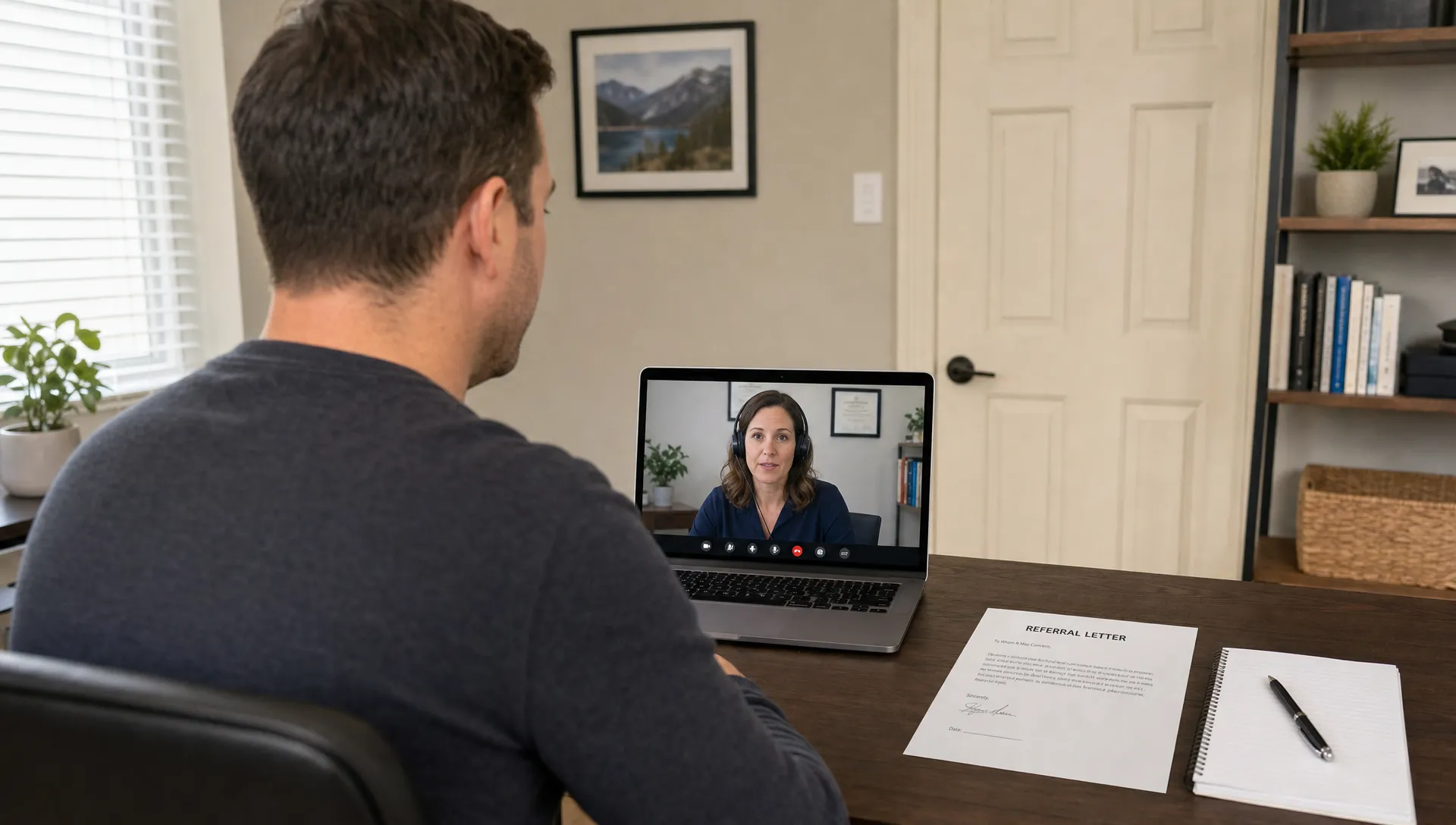
In these first 24 hours, starting the SAP process is key. DOT rules call for a referral to a qualified SAP before an employee can begin any return-to-duty program. At this point, speed and access matter. That is why telehealth alcohol and drug evaluations can make such a difference. With secure video sessions available across multiple states, an employee can often get on the schedule quickly, which shows good-faith compliance and keeps things moving instead of stuck.
How DOT Clearinghouse Reporting Works in Real Time
The FMCSA Clearinghouse is an online system that tracks certain DOT drug and alcohol violations, including positive tests, refusals, and completed return-to-duty steps. Once a violation is entered, it follows the driver from employer to employer.
Here is what needs to be reported and by whom:
- The MRO reports verified positive drug tests and certain refusals
- Employers or their consortium/TPA report alcohol violations, actual knowledge of use, and return-to-duty results
- Reports are made through each party’s Clearinghouse account within specific time frames
Once that violation is in the Clearinghouse, the employee is marked as prohibited from doing safety-sensitive work for any DOT employer. That status stays in place until the SAP process and return-to-duty steps are completed. The Clearinghouse record will show:
- The violation itself
- Completion of the SAP evaluation
- The negative result of the return-to-duty test
- Any required follow-up testing plan
New employers must check the Clearinghouse before putting a driver into a safety-sensitive role. If a violation is open, they can see that and know the driver is not yet cleared.
At this point, good communication with the SAP matters. A clear, documented evaluation from a provider like Affordable Evaluations helps move the employee from prohibited status toward being eligible again. When the evaluation and recommendations are organized and in line with DOT rules, it is easier for employers and employees to understand what has to happen before any update shows in the Clearinghouse.
Days One to Three: Starting a Compliant Return-to-Duty Program
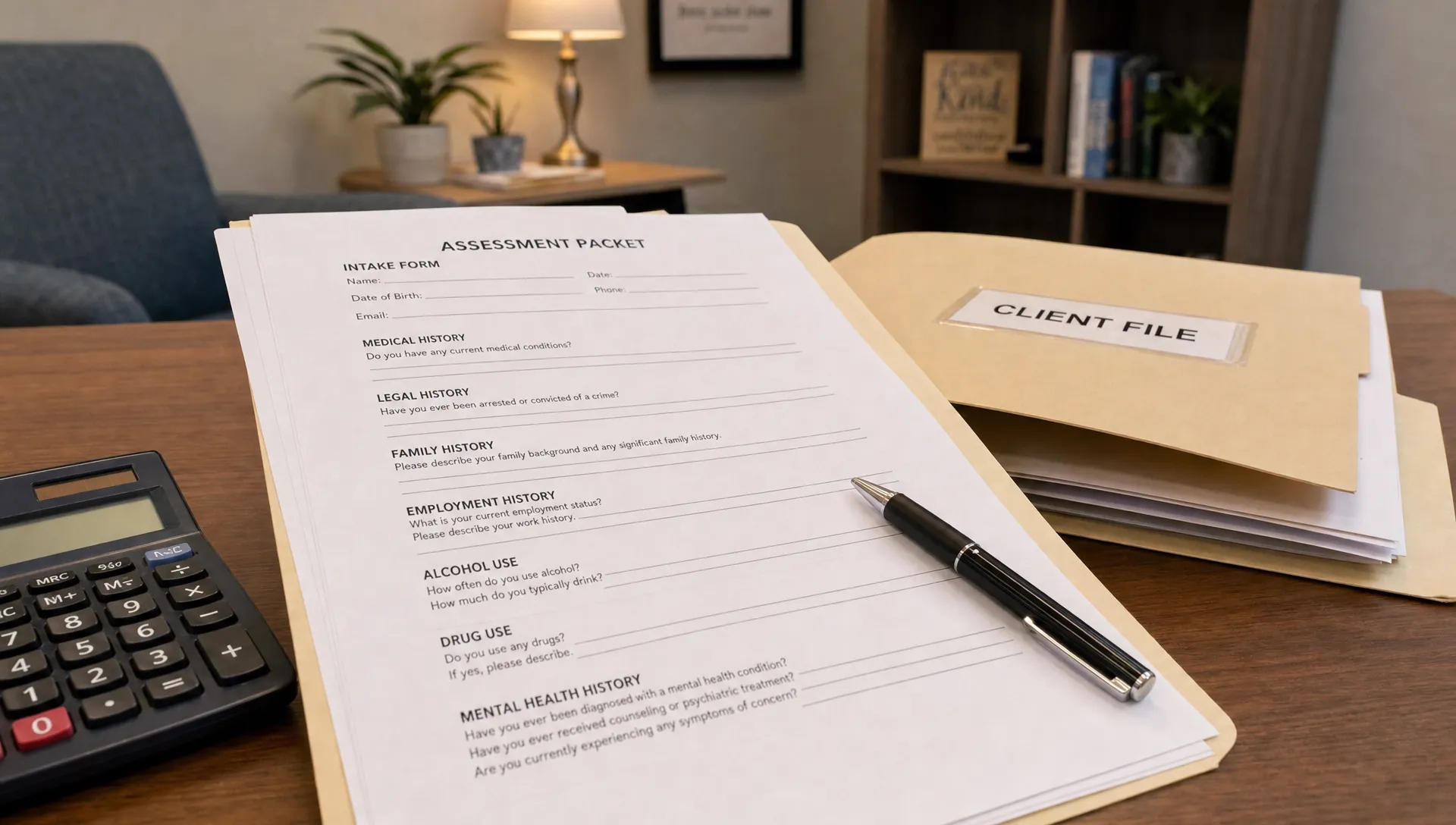
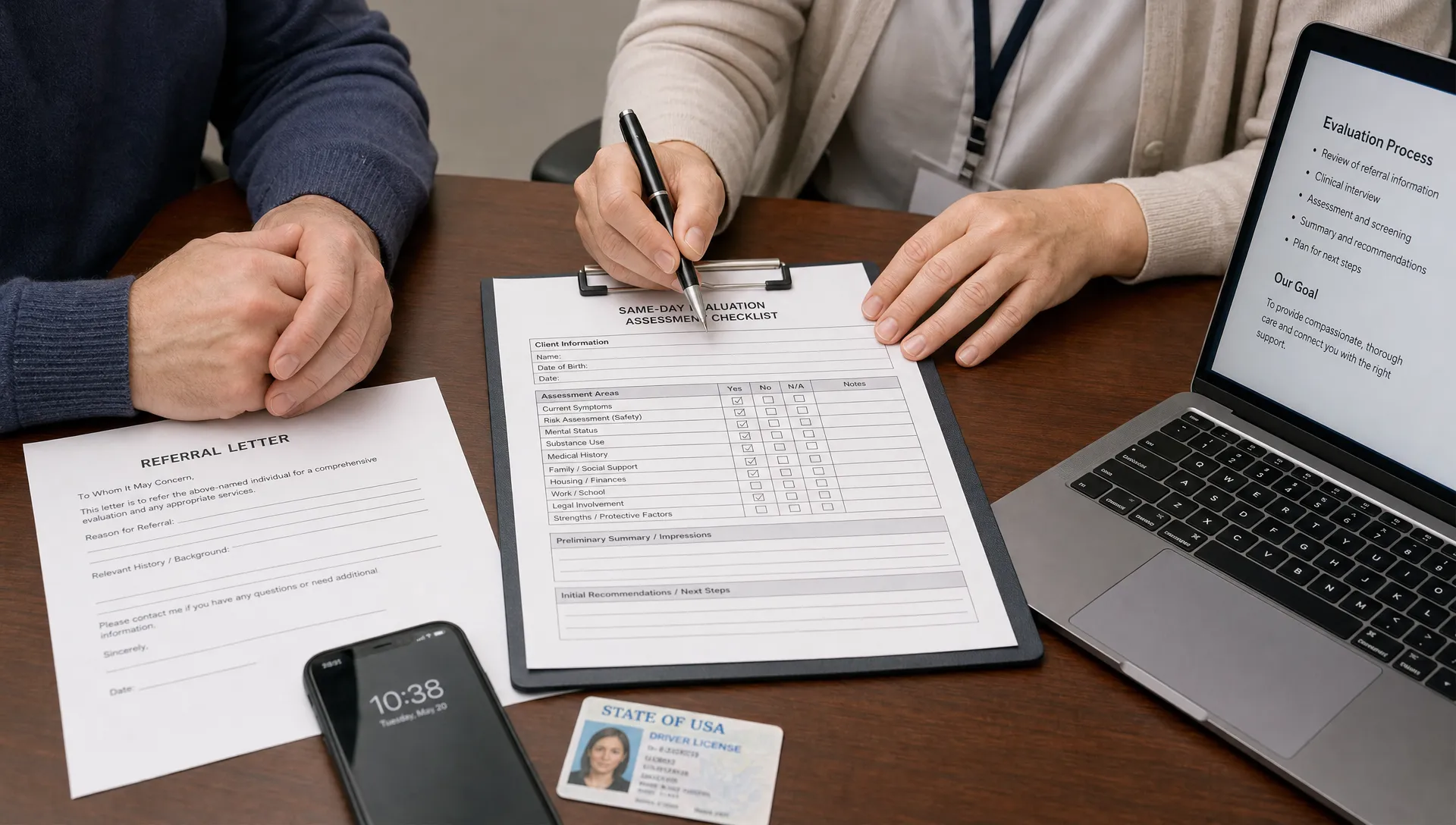
The first 72 hours are often when the SAP evaluation happens. During a DOT alcohol and drug evaluation, the SAP or evaluator will typically:
- Review the positive test or refusal
- Ask about substance use history and patterns
- Look at work, family, and health factors
- Talk about readiness to follow recommendations
At Affordable Evaluations, we provide licensed, telehealth-based alcohol and drug evaluations for DOT and non-DOT employees. Because sessions are online, many people can complete the initial evaluation within those first few days. A careful, unbiased evaluation protects both the company and the employee, showing regulators that the process is being taken seriously.
From that evaluation, an individualized return-to-duty program is created. This program might include education, counseling, or treatment, depending on what is needed. The plan is not one-size-fits-all. It is structured by the SAP but shaped around real-life needs like work schedules, travel, and family responsibilities.
A strong return-to-duty program usually includes:
- Specific education or counseling hours or sessions
- Clear attendance and participation rules
- A follow-up SAP visit to confirm completion
- A return-to-duty test and a follow-up testing schedule
For non-DOT situations, such as company policy cases or court and licensing needs, recommendations can look a bit different but still follow the same idea: a structured plan, clear expectations, and documented completion. Because our services are available across multiple states by telehealth, employees can often keep moving through their program even if they travel or relocate for work.
Setting expectations with the employee is just as important as writing the plan. HR and safety staff can sit down with the employee and review the SAP’s written recommendations, including:
- Deadlines and time frames
- What counts as proof of completion
- What happens if sessions are missed
- How long follow-up testing may last
Many employers find it helpful to create a simple written roadmap for the first 30 to 60 days. That roadmap might list, in order, the evaluation, education or treatment, follow-up evaluation, return-to-duty test, and long-term follow-up testing. When everyone can see the steps, there is less confusion and fewer delays.
From Crisis to Comeback in the First 72 Hours
Those first three days after a positive DOT test can feel stressful, but they can also set up a clear path forward. When employers act quickly to remove the driver from duty, document each step, make sure the Clearinghouse reports are handled, and start the SAP evaluation, they protect safety and lower the risk of future problems.
At Affordable Evaluations, we focus on licensed, telehealth alcohol and drug evaluations and structured return-to-duty programs for both DOT and non-DOT cases. We also work with courts, probation, and licensing agencies that need clear, compliant documentation. Because we serve multiple states through secure video sessions, we can work with employers, HR teams, and safety managers who need a partner that understands both the rules and the human side of a positive test.
With the right structure, the first 72 hours do not have to be chaos. They can be the start of a safe, orderly return-to-duty program that supports the employee, protects the public, and keeps your company aligned with DOT expectations.
Take The Next Step Toward a Safer, Compliant Workplace
If you are ready to help your employee return to work safely and meet federal requirements, our return-to-duty program can guide you through every step. At Affordable Evaluations, we provide streamlined assessments and clear recommendations so you can move forward with confidence. Reach out today and let us help you schedule an evaluation that fits your timeline. If you have questions or need more details, please contact us.