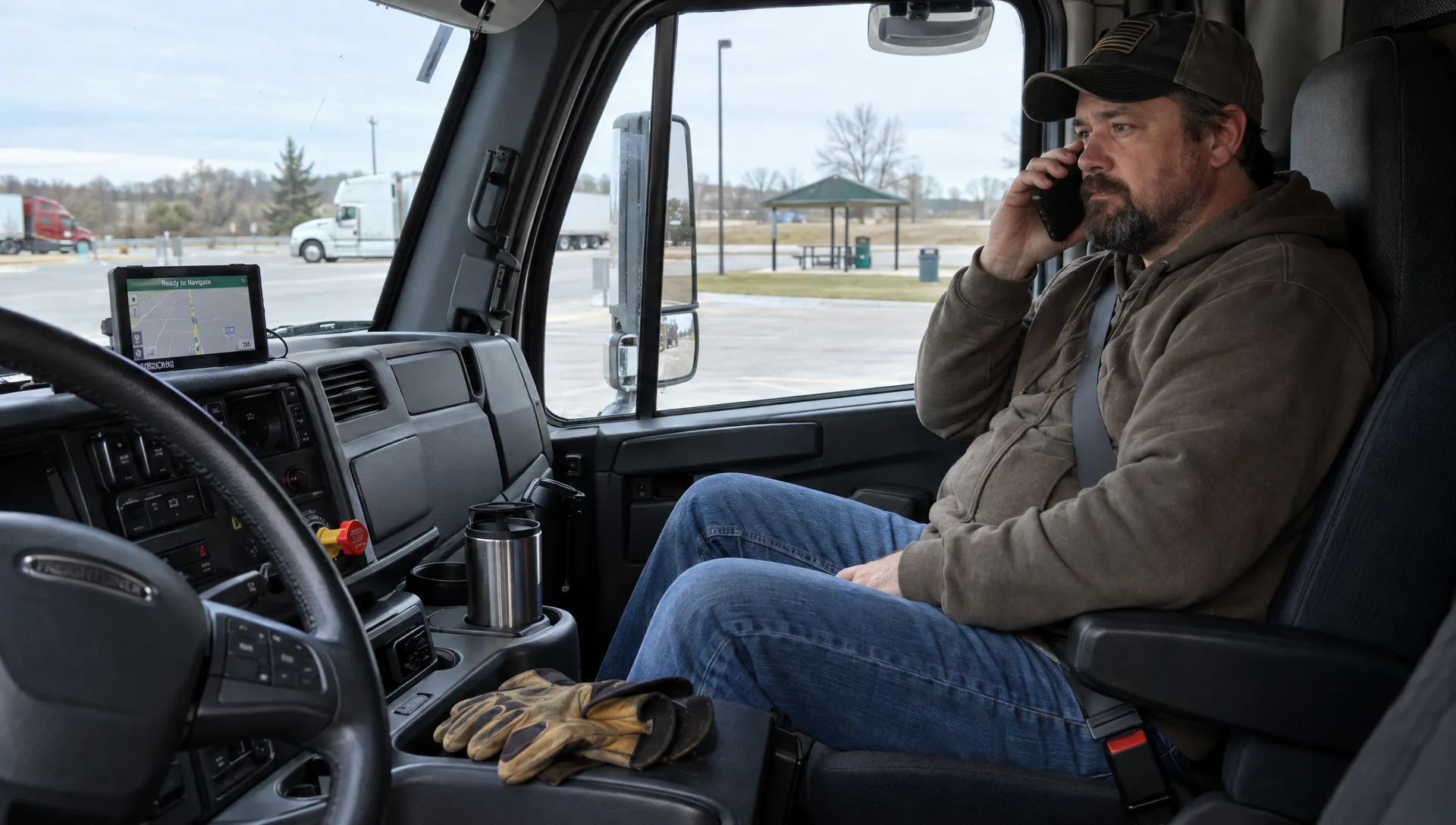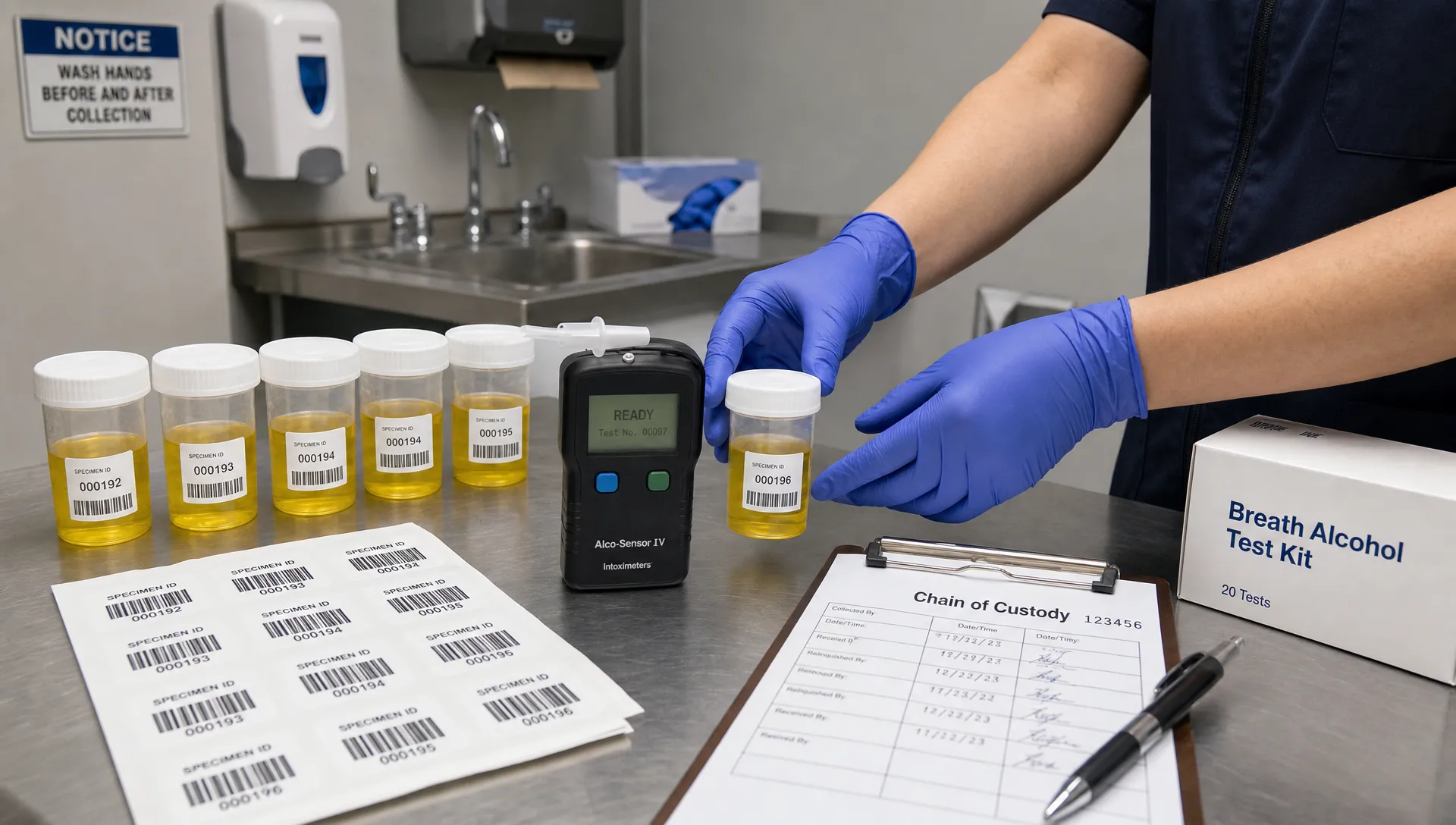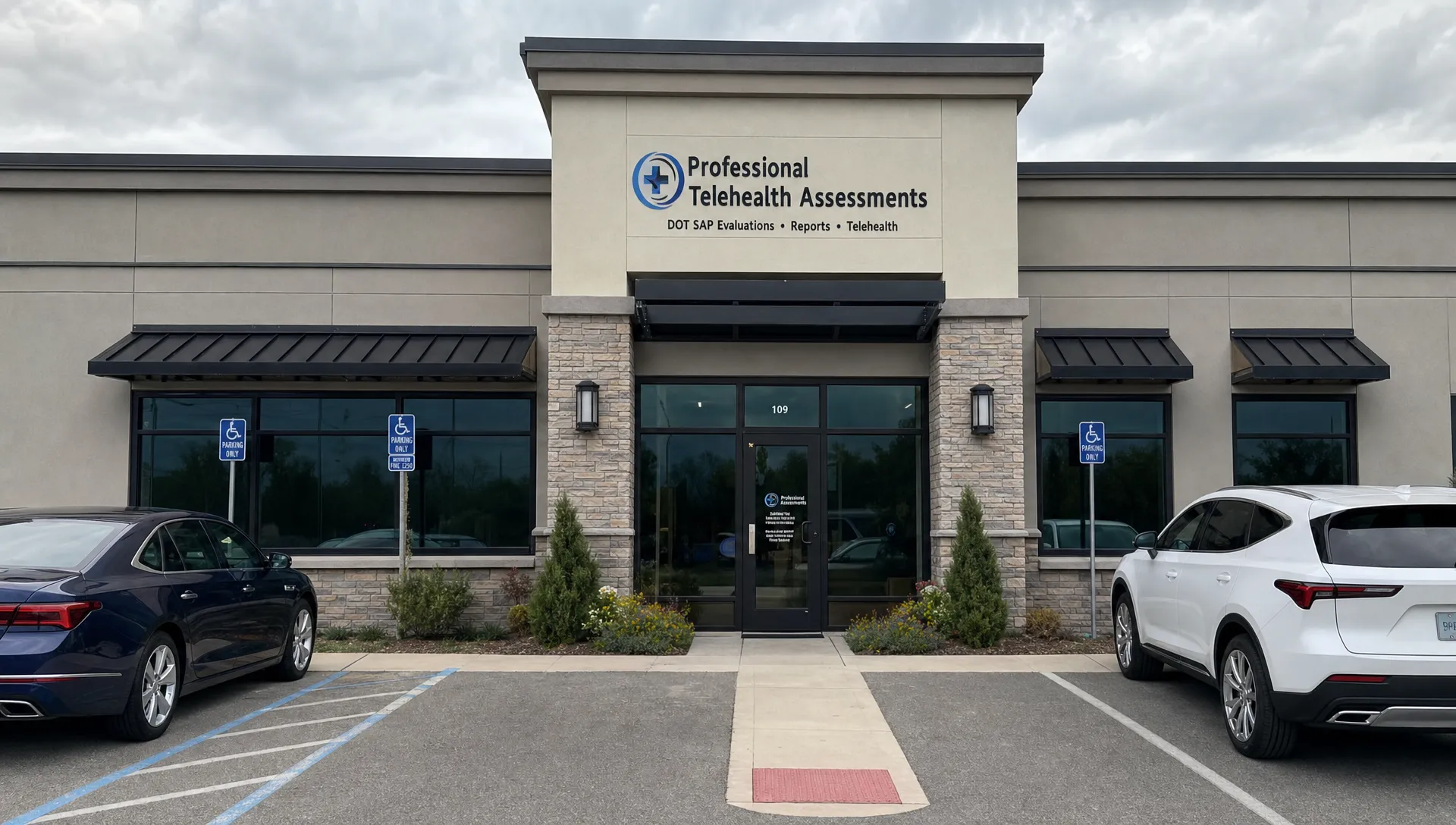

In Louisiana, one serious test result or on the job incident can suddenly remove a commercial driver from duty and put a family’s income at risk. Federal rules do provide a path forward, but the details are complex, especially when employers, DISA, and FMCSA are involved. Many drivers hear about SAP evaluations, return to duty rules, and the Clearinghouse, but still are not sure where to begin or how long the process will take.
In this blog we are going to study how a clear, structured SAP return to duty process can help Louisiana drivers move step by step from confusion to a documented return to safety sensitive work. Instead of guessing what to do next, drivers can follow a roadmap that respects the rules, protects the public, and gives them a realistic plan to get back behind the wheel.
Why RTD Rules Matter
For a commercial driver in Louisiana, being removed from duty rarely affects just one person. A gap in work can change household budgets, impact long term career plans, and create worry about future job prospects. The goal of the DOT system is not to end careers but to create a structured way to show that a driver is safe to return. That structure is what makes the DOT return to duty process so important.
Drivers who recognize that a structured return-to-duty program is available often find the process more manageable. Rather than interpreting the violation as a final outcome, they can approach it as a stage in which federal regulations call for thorough documentation, careful assessment, and consistent follow-through on situation-appropriate recommendations.
Louisiana Drivers RTD Landscape
Louisiana drivers work in many different settings. Some haul freight across several states, others move equipment for local companies, and some drive passenger vehicles in safety sensitive roles. No matter the route, any driver covered by DOT rules has to navigate the same basic framework when a violation is reported. That framework is shaped by the DOT RTD process and the way each employer chooses to manage compliance.
A driver in Louisiana might be dealing with:
- A regional carrier that manages its own compliance department
- A large national fleet that uses DISA to oversee drug and alcohol testing
- A public sector or utility employer with its own internal policies
Each of these settings comes with different communication styles, but the underlying expectations from FMCSA and other modes remain surprisingly consistent.
How Does SAP Help?
In the middle of all those moving parts sits the Substance Abuse Professional. The SAP is the person who evaluates the driver, looks at the violation, and recommends an appropriate plan before any return is possible. When the SAP understands the realities of Louisiana work, court expectations, and employer policies, the SAP return to duty process feels less like a set of abstract rules and more like a guided path.
A thorough SAP evaluation does more than check a box. It can also identify whether there are concerns that call for:
- Substance abuse evaluations focused on current use patterns
- Drug alcohol evaluations requested by employers or courts
- Mental health evaluations when stress, anxiety, or mood issues are part of the picture
- Anger management evaluations when conflict has contributed to workplace incidents
By tying these evaluations to the steps required for a documented return, the SAP helps the driver see what to do next instead of feeling stuck at the starting line.
Step By Step Roadmap
From a driver’s perspective, the process feels much easier when it is broken into clear stages. After the violation is reported and the driver is removed from duty, the first priority is to connect with a qualified SAP who is acceptable to the employer and any agencies involved. At that point, the plan becomes more specific and can reflect Louisiana CDL driver return guidance that fits local realities.
A practical roadmap often looks like this:
- Initial contact, where the driver provides background, employer details, and any court or agency information
- A scheduled evaluation session, frequently completed through secure video
- Written recommendations explaining exactly which services, classes, or activities must be completed
- Documentation of completion from each provider involved
- A follow up session where the SAP confirms progress and prepares a final report
Once the SAP has confirmed that all conditions are met, the employer can move ahead with its own testing and clearance steps as part of the broader return to duty program.
Working With DOT Employers
Every employer covered by DOT rules has legal responsibilities related to safety sensitive work. They must remove drivers from covered duties after a violation, keep accurate records, and make sure no one returns until the proper steps are finished. For a driver, this can feel like a wall, but in reality it is a structured checkpoint built into the DOT return to duty process.
Employers appreciate when drivers take the process seriously and stay ahead of deadlines. Drivers can support that by:
- Scheduling SAP appointments quickly instead of waiting
- Sharing accurate information about violations and prior history
- Providing proof of completed classes or sessions in an organized way
- Asking questions early if instructions are unclear
When everyone respects their role, it becomes easier for employers to document compliance and for drivers to move steadily toward a verified return to duty.
DISA And Employer Compliance
Many Louisiana carriers and energy related employers rely on DISA to manage drug and alcohol programs. In those situations, the DISA return to duty process must line up with the work done by the SAP. Reports should be clear enough that DISA and the employer can see exactly what was recommended, what was completed, and how follow up testing should be handled.
A SAP who understands the expectations of DISA, CDL employers, and FMCSA can help provide FMCSA compliant RTD support services that are practical instead of confusing. That means:
- Writing reports in language that compliance departments and agencies can understand
- Explaining how recommended evaluations connect to specific violation concerns
- Responding to employer questions so that no one is guessing about next steps
When documentation is handled well, it reduces the risk of delays or misunderstandings that could keep a driver off the schedule longer than necessary.
Turning Setback Into Progress
A violation and removal from duty can feel like a serious setback, especially when income and long term routes are at risk. Even so, the SAP return to duty process gives drivers a defined path forward. With clear evaluations and organized communication, it becomes easier to move from uncertainty to documented readiness for safety sensitive work again.
At Affordable Evaluations, our team focuses on guiding drivers through this path in a way that is practical and respectful. We provide substance abuse evaluations, drug alcohol evaluations, mental health evaluations, and anger management evaluations that align with employer expectations and the DISA return to duty process. Our goal is to help drivers understand their requirements, stay on track, and move steadily toward a verified return to duty.
Frequently Asked Questions
Q1: How long does a typical return case take for a Louisiana driver?
There is no single timeline, because every case depends on the recommendations that follow the initial SAP evaluation and how quickly the driver completes them. Some drivers are able to finish classes or counseling in a few weeks, while others need more time. Staying organized, keeping appointments, and sending documentation promptly are key factors in moving the process along.
Q2: Can a driver switch employers during the return process?
A driver may apply with a new employer, but the violation and return status will still appear in the federal Clearinghouse. Any new DOT regulated employer has to respect the same rules and cannot place the driver in safety sensitive work until all SAP steps are completed and a negative return test is on file. Changing companies does not remove the requirement to follow the established process.
Q3: What should drivers ask before choosing a SAP for a DOT or DISA case?
Drivers should confirm that the SAP is properly qualified under DOT rules and familiar with DISA expectations when those apply. It is also helpful to ask how evaluations will be conducted, how reports are shared with employers or courts, and what communication to expect during the process. Clear answers to those questions can prevent surprises later and support a smoother path back to duty.