
Protecting Your CDL Future After a Clearinghouse Violation
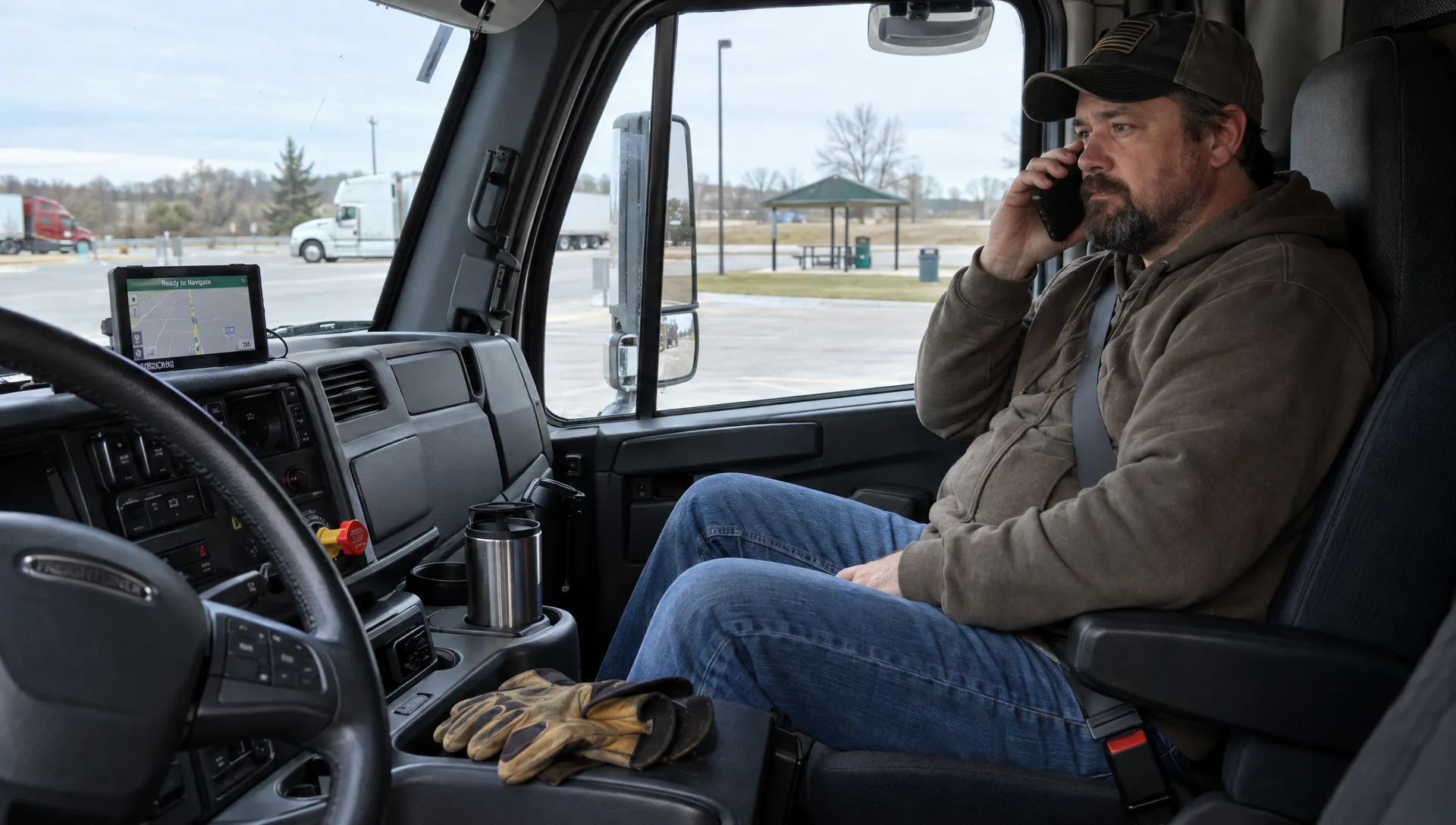
A Clearinghouse problem can stop your CDL career in a single day. One drug or alcohol violation can turn a busy spring or summer season into months of sitting at home while other drivers grab the best loads and hours.
In this article, we will walk through how a violation shows up in the FMCSA Clearinghouse, what “Prohibited” really means, and how the return-to-duty program works from start to finish. We will also explain what changes in your record once you complete everything and how to protect your CDL going forward.
How CDL Drug and Alcohol Violations Reach the Clearinghouse
The Clearinghouse is a national online system that tracks DOT drug and alcohol violations. When something goes wrong, it is not just your company that knows. The record follows you when you apply for your next job.
Several people can report information to the Clearinghouse, such as:
- Employers
- Medical Review Officers (MROs)
- Consortia and third-party administrators (C/TPAs)
- Substance Abuse Professionals (SAPs)
The types of violations that can appear include:
- Positive drug test results
- Alcohol tests at or above the DOT limit
- Refusals to test
- “Actual knowledge” situations, when an employer has direct evidence of use on duty
Here is the basic timeline many drivers go through after a violation:
1. The incident happens, such as a positive test or refusal.
2. The lab and MRO confirm the result.
3. Your employer removes you from safety-sensitive work.
4. The employer or MRO reports the violation to the Clearinghouse, which updates your record.
Once that report is in the system, every future employer that runs a pre-employment query will see your status. Ongoing or annual checks can also bring it to your current company’s attention. If you do not deal with it quickly, one violation can knock you out of several high-earning months when freight volume is high and miles are available.
What “Prohibited” Status Means for Your Driving Career
When the Clearinghouse says you are “Prohibited,” that is not just a label. It has a very clear meaning under DOT rules. You are not allowed to perform any DOT safety-sensitive functions until you complete the required return-to-duty program.
That usually includes:
- Driving a commercial motor vehicle that requires a CDL
- Performing other safety-sensitive duties for a DOT-regulated employer
In real life, that can feel pretty harsh. “Prohibited” can mean:
- Losing your current driving route or seat
- Being passed over when you apply for new jobs
- Missing out on overtime and seasonal work in warmer months
- Having employers and insurance carriers look at you more closely
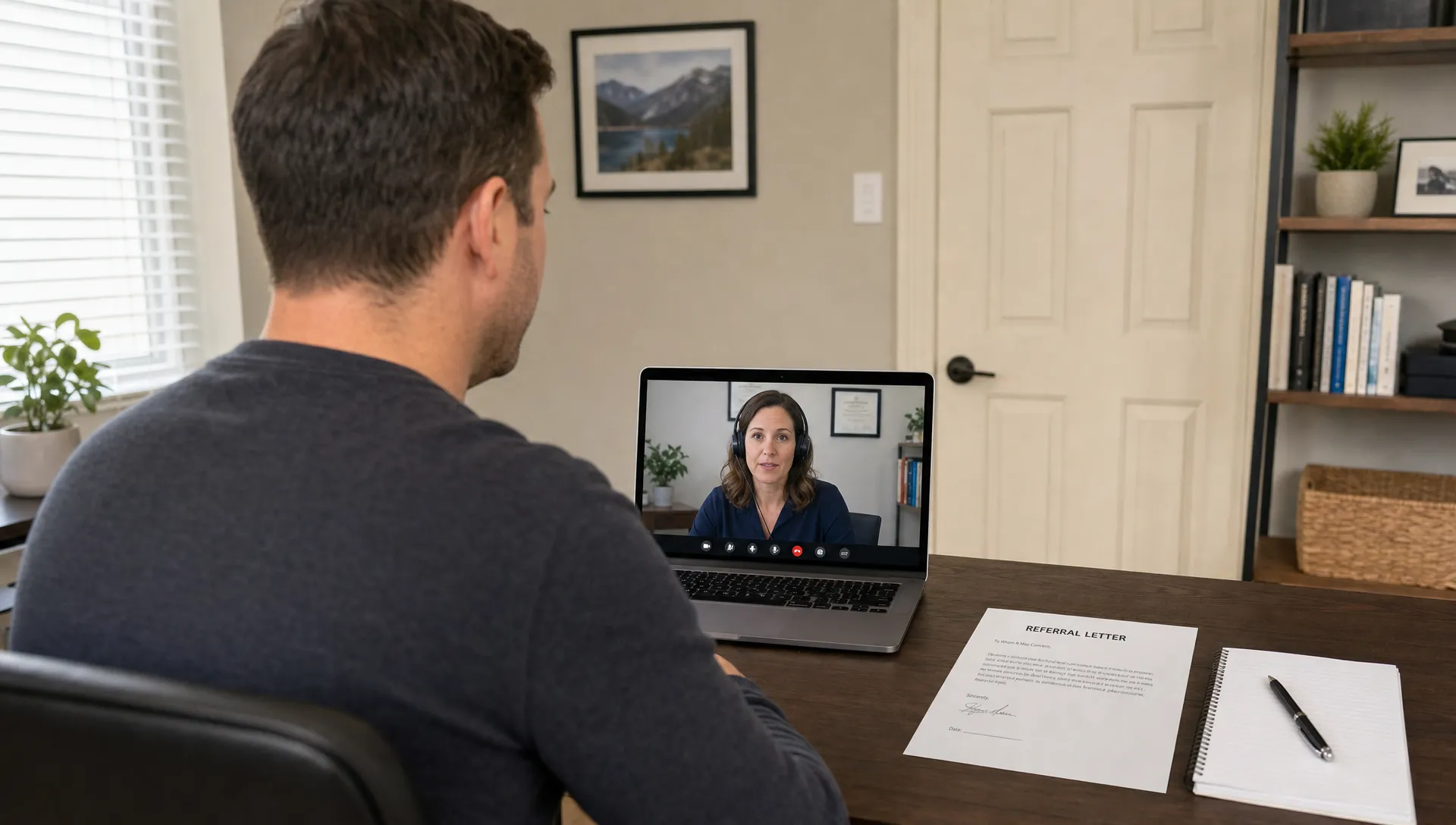
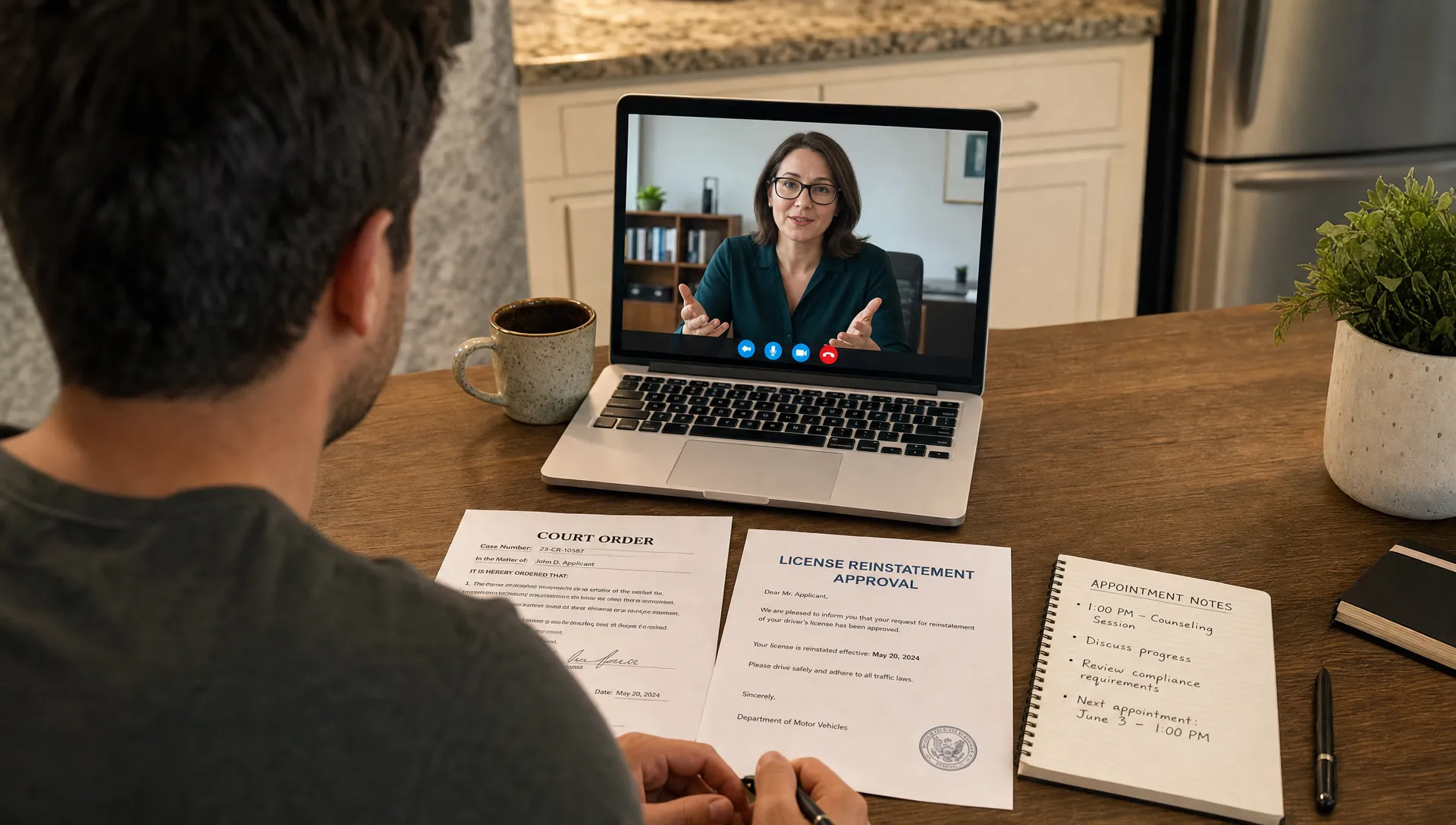
The good news is that “Prohibited” does not have to be permanent. Once you start the return-to-duty process with a qualified SAP, you can begin moving back toward “Not Prohibited” status. Fast, telehealth-based drug and alcohol evaluations help you get that process going without waiting weeks for an in-person appointment, which can be hard when freight is moving and schedules are tight.
Step-by-Step Path Through the FMCSA Return-to-Duty Program
The return-to-duty program is required by the FMCSA if you want to get back to DOT safety-sensitive work after a violation. It has several distinct steps. Skipping one will keep you stuck in “Prohibited” status.
Here is the basic path:
1. SAP evaluation
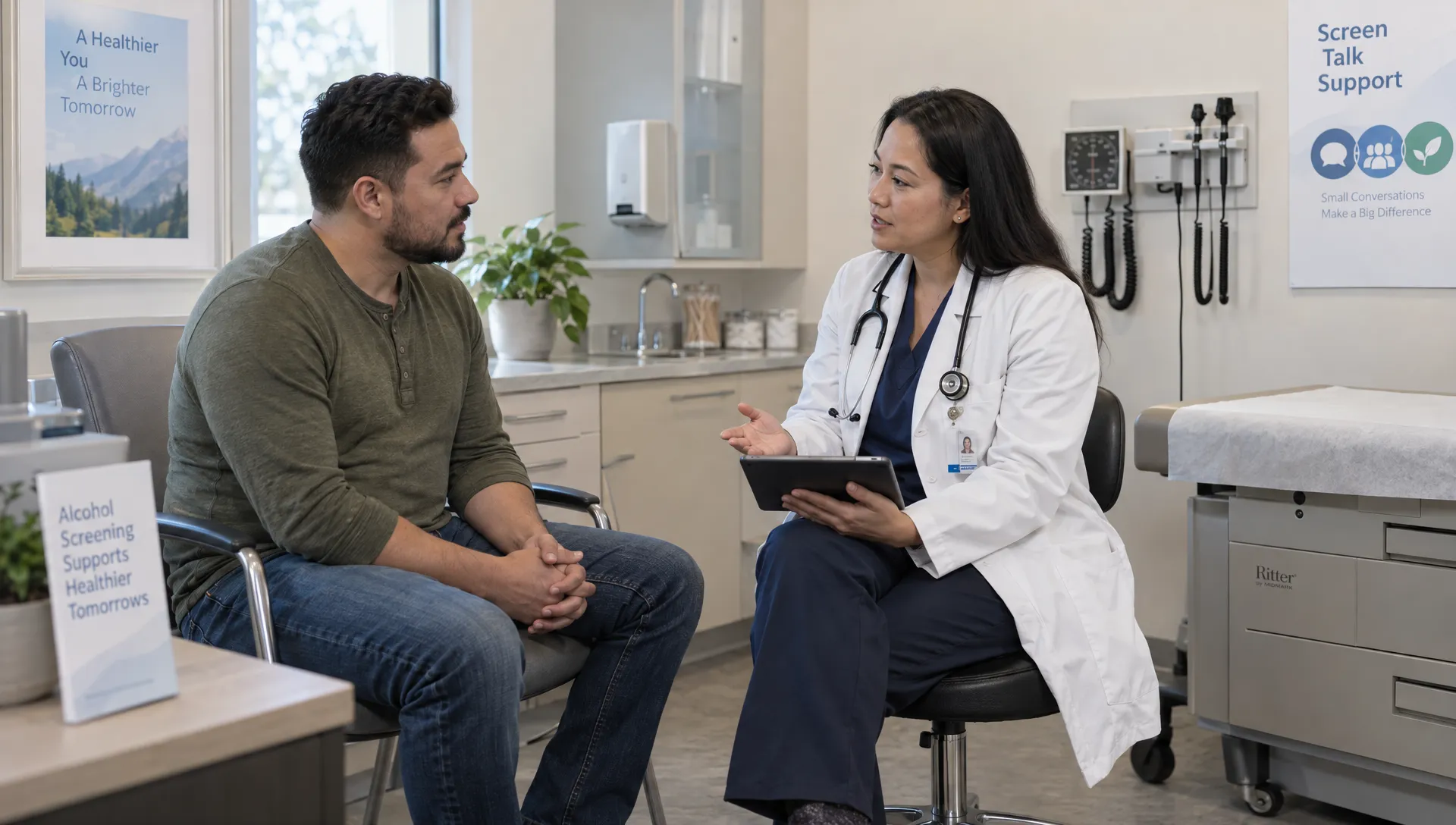
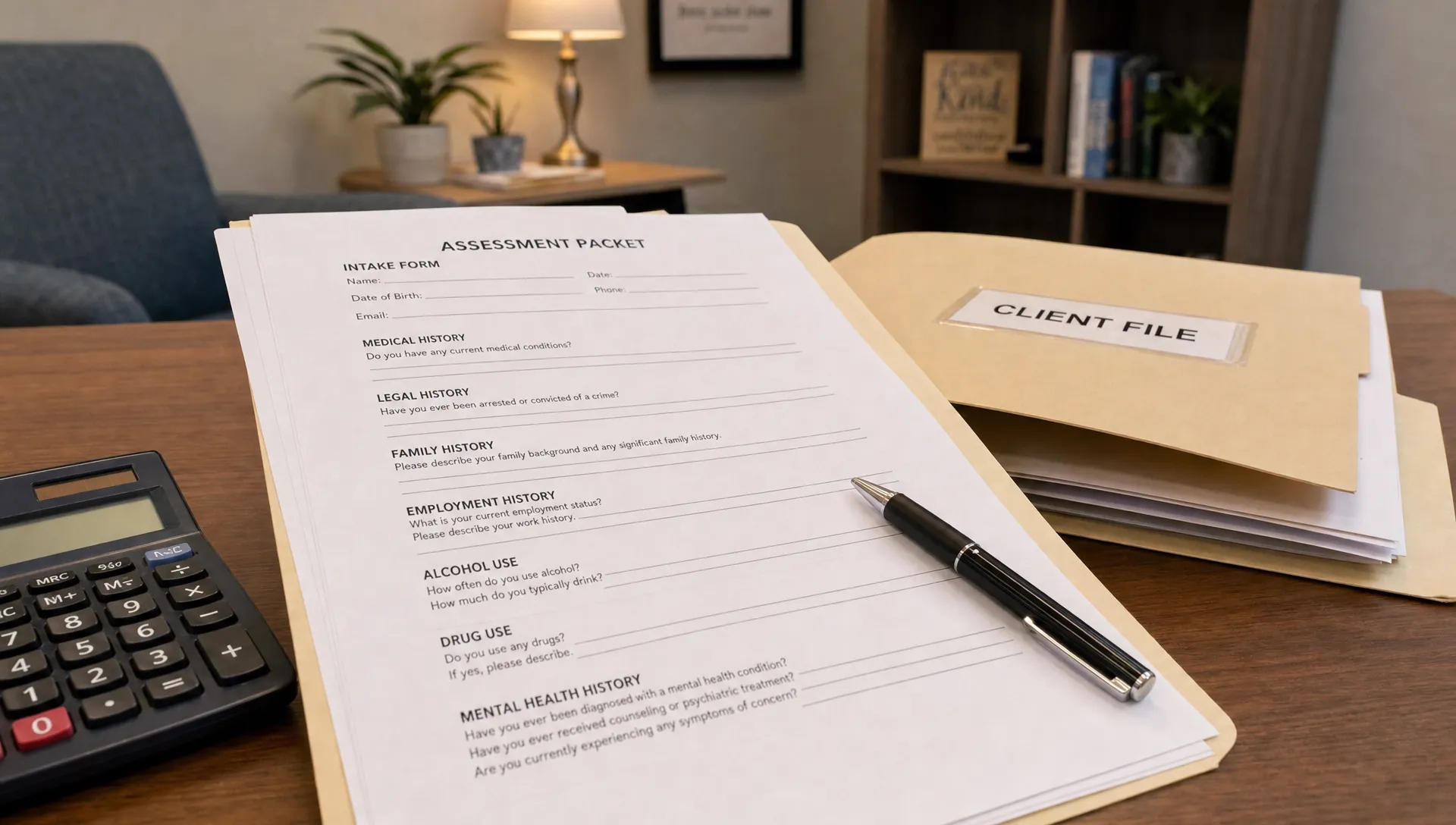
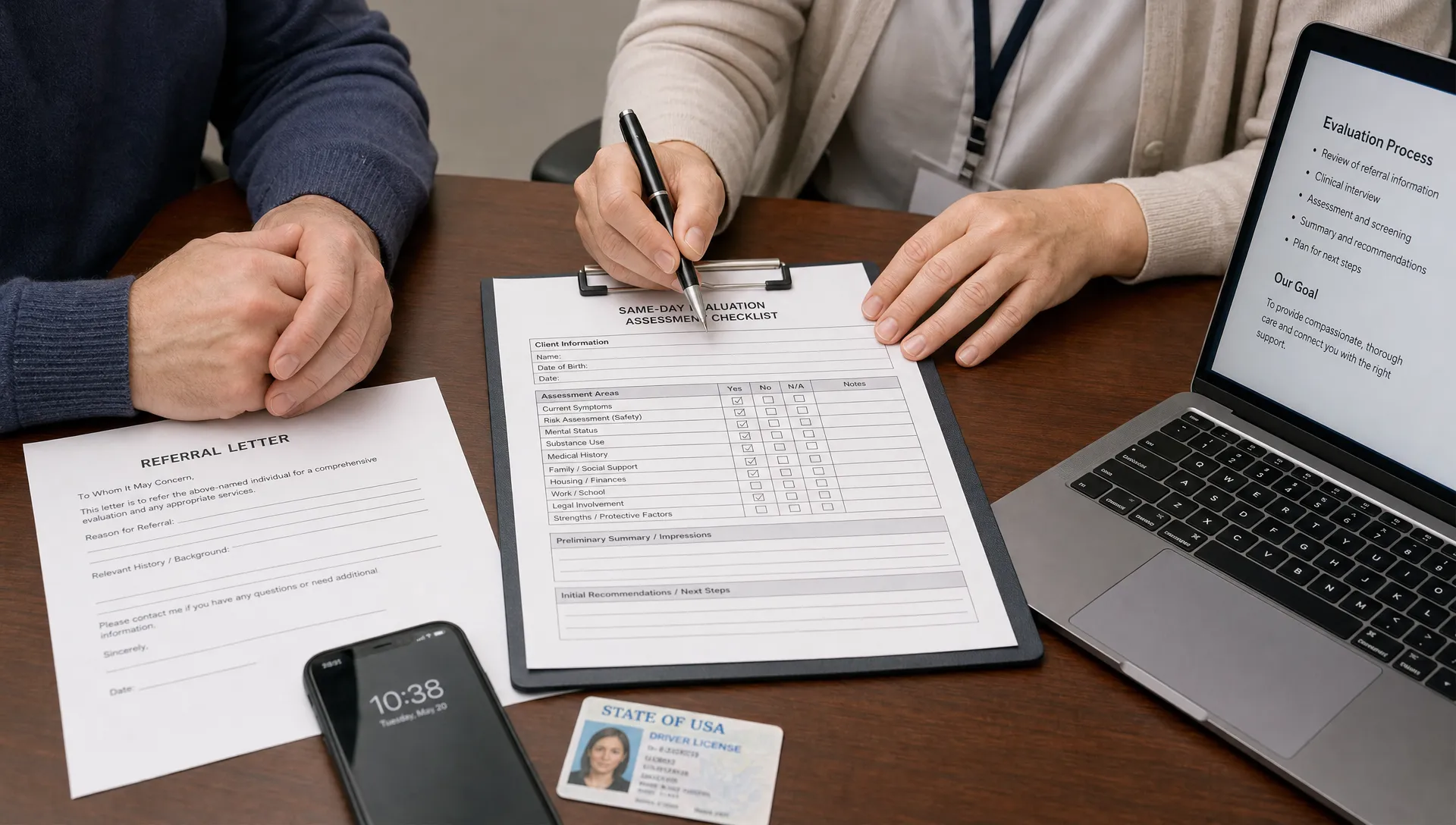
You meet with a Substance Abuse Professional. Their job is to review your history, talk through what happened, and decide what kind of education or treatment is required under DOT rules.
2. Education or treatment
The SAP will recommend a plan. That might be education classes, treatment, counseling, or a mix. You must follow the plan and complete everything they require.
3. Compliance documentation
The SAP needs proof from the provider that you finished your plan. Without this, the process stops.
4. SAP follow-up evaluation
After you complete the plan, you meet again with the SAP. If they are satisfied with your progress and compliance, they clear you for a return-to-duty test and set up a follow-up testing plan.
5. Negative return-to-duty test
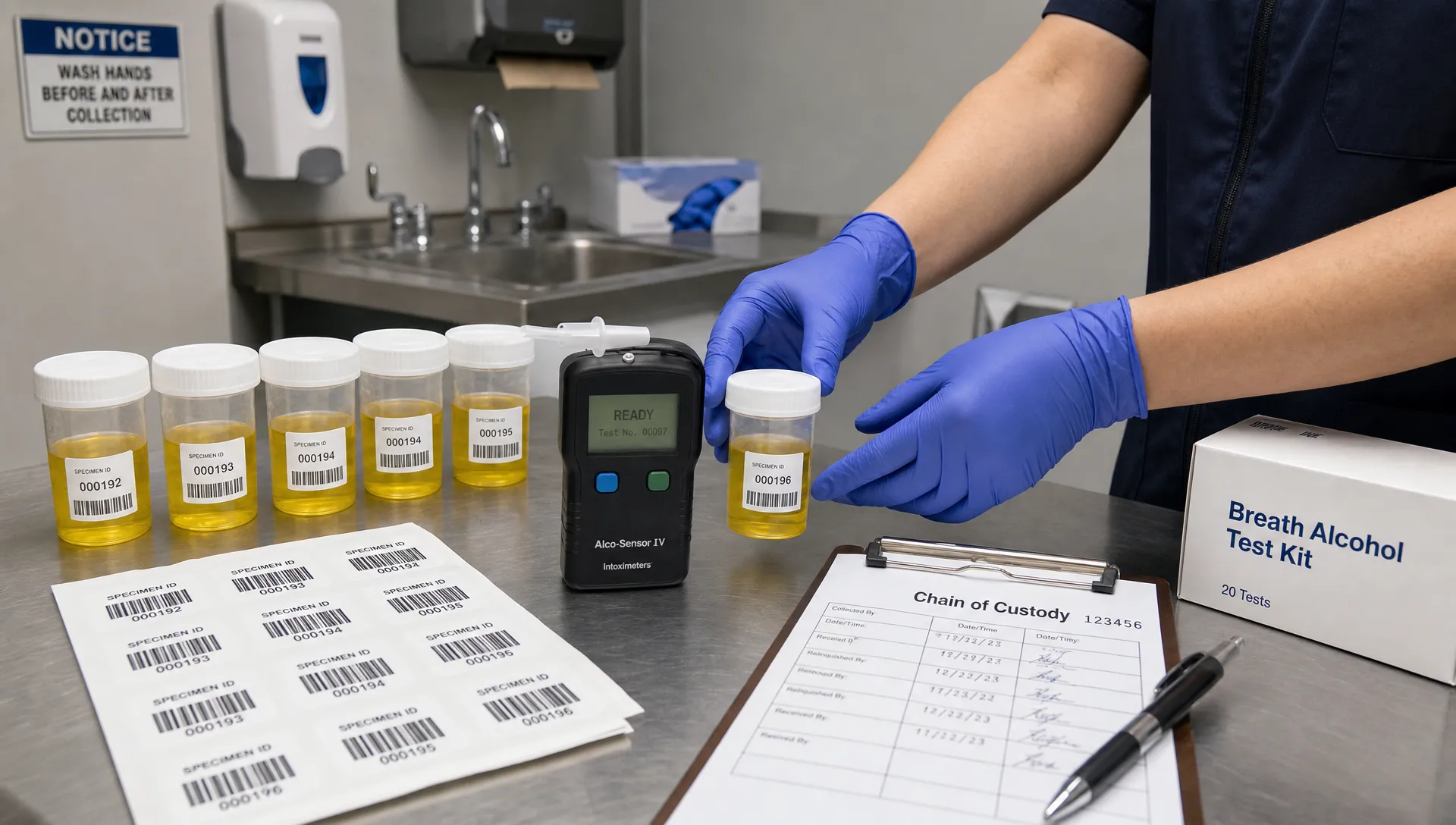
You take a DOT return-to-duty test. It must be negative before you can go back to safety-sensitive work.
6. Follow-up testing schedule
The SAP creates a written plan for follow-up tests. Your employer is responsible for carrying out this plan over the time period the SAP sets.
Telehealth support can make this process smoother. With flexible online appointments, you can:
- Start the SAP evaluation sooner instead of waiting for local openings
- Keep moving through the steps even if you are in a different city or state
- Stay in contact about paperwork and documentation so you do not lose time
This kind of structure helps drivers and other safety-sensitive employees complete what the rules require, without extra delay during the busiest hauling months.
When Violations Are Removed and What Stays in Your Record
Once you complete the SAP process, pass your return-to-duty test, and your employer updates everything, your Clearinghouse status changes. “Prohibited” is lifted, and you are again eligible for DOT safety-sensitive work. When employers run a query, they will see that you had a violation, but they will also see that you completed the return-to-duty program and are no longer blocked.
It is important to understand that different parts of your record stay in the Clearinghouse for a set amount of time. The violation and related information remain available for several years. In some situations, if follow-up testing is not completed as required, information can stay visible even longer.
That is why long-term planning matters. To protect your career:
- Follow your SAP’s follow-up testing plan exactly
- Stay substance-free and avoid new violations
- Keep copies of your paperwork so you can answer questions from new employers
When you do what the program requires and keep a clean record afterward, you give yourself a better chance at steady work, less stress during hiring checks, and access to good seasonal routes when freight picks up.
Take Back Control of Your CDL with Expert RTD Support
When a Clearinghouse violation hits, it is easy to feel like everything is out of your hands. It is not. The return-to-duty program is a clear path, and taking the first step with a proper evaluation gets you moving again.
At Affordable Evaluations, we focus on alcohol and drug evaluations and structured return-to-duty programs for drivers and other safety-sensitive workers across multiple states. We work by telehealth, so you can connect from where you are, instead of spending hours driving to an office and sitting in a waiting room.
Our team provides:
- Licensed telehealth evaluations that meet DOT requirements
- Clear, structured return-to-duty program planning
- Coordination with employers, attorneys, and other parties when needed
- Documentation that is designed to line up with DOT and employer expectations
Whether your violation is new or you have been sitting in “Prohibited” status for a while, the key is to start the process so you do not lose another spring and summer of high-demand work. Every step you take through the return-to-duty program moves you closer to getting your CDL career back on track and protecting your future income.
Get Back To Work Safely With A Personalized Recovery Plan
If you are ready to move forward after a violation, our team at Affordable Evaluations is here to guide you through every step of the return-to-duty program. We focus on clear communication, timely appointments, and practical recommendations so you can meet DOT requirements with confidence. Reach out today and let us answer your questions, explain your next steps, and coordinate the evaluations you need. To schedule or request more information, please contact us.