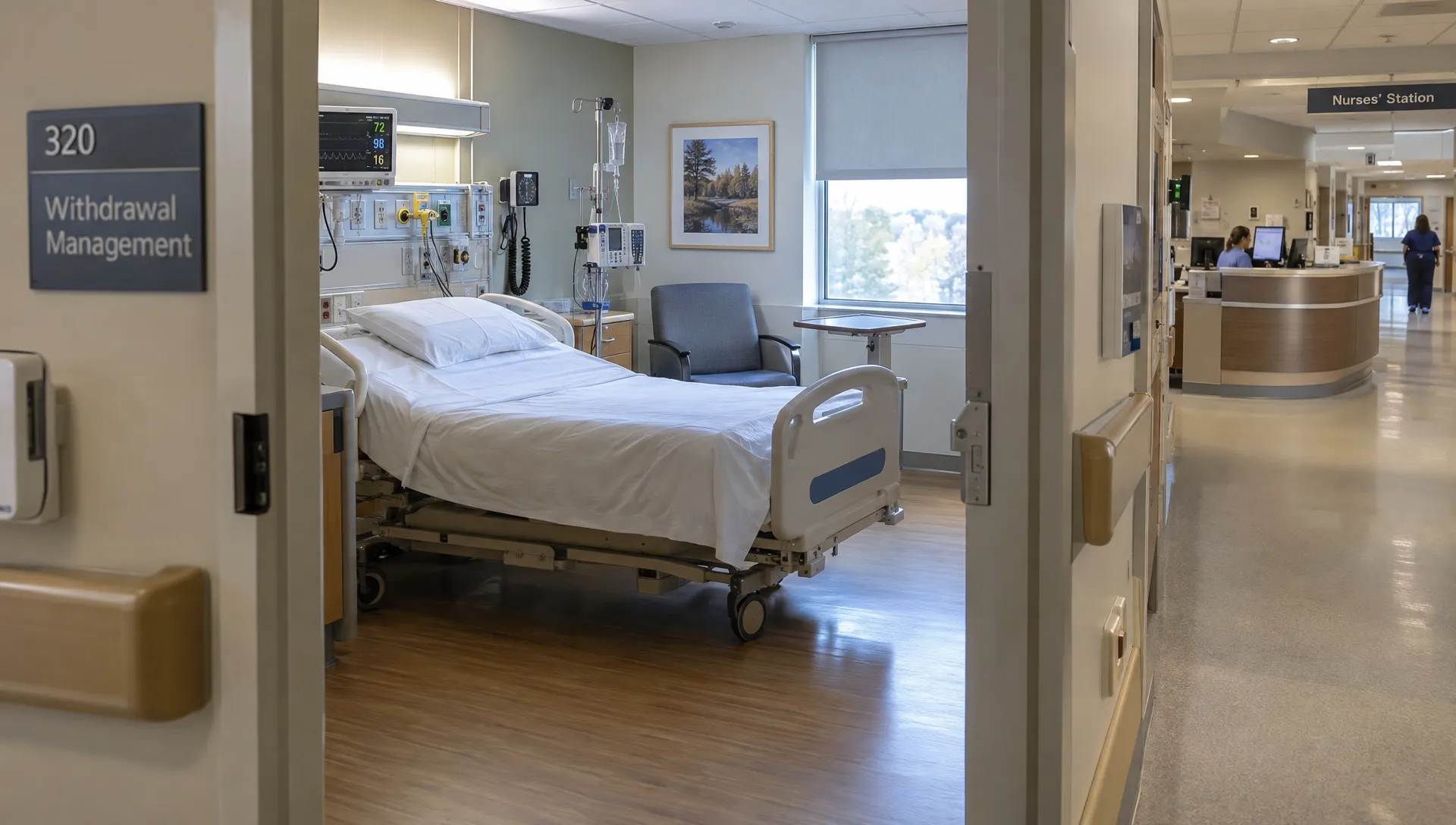
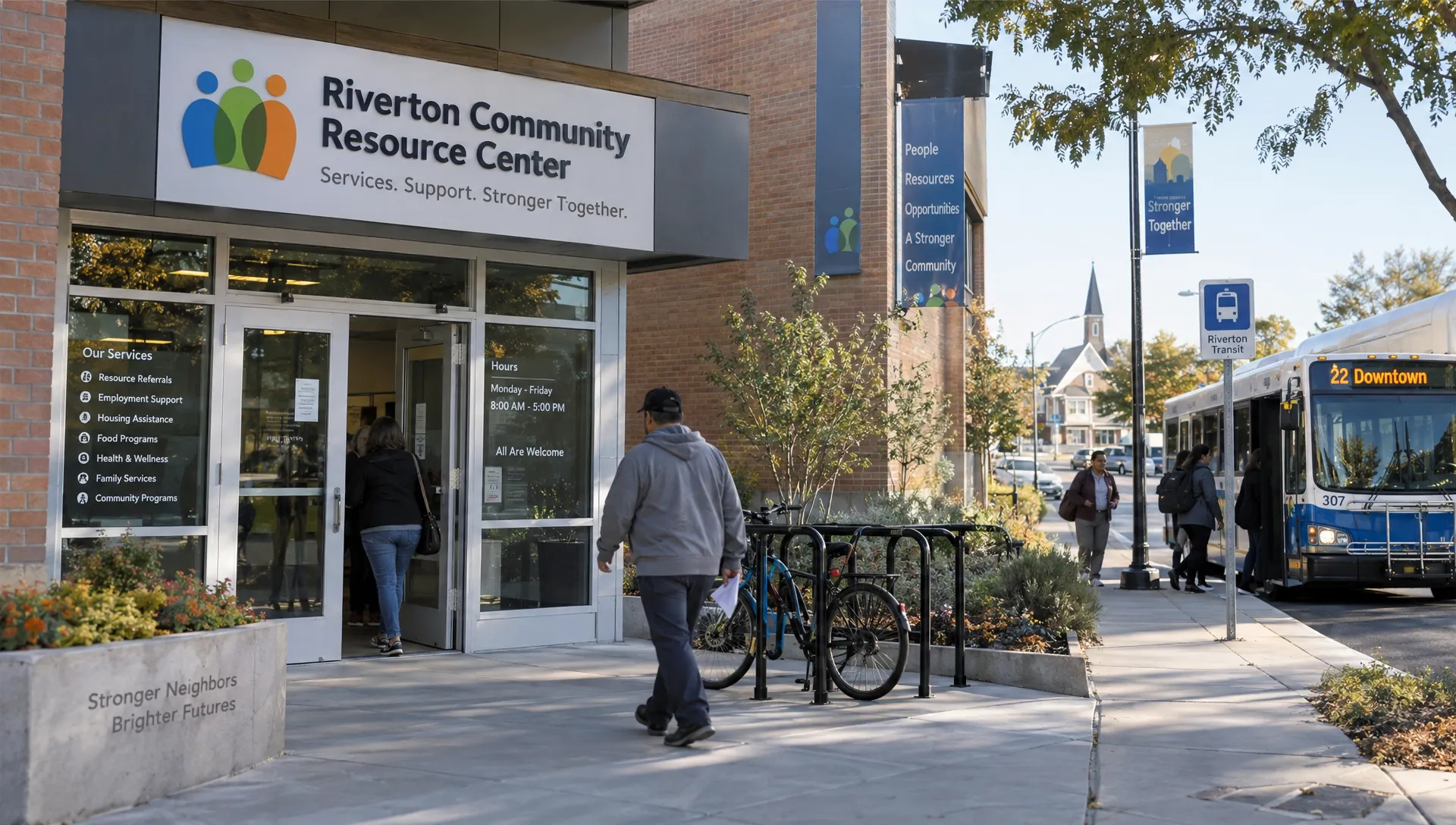
Alcohol & drug abuse services include much more than counseling, detox or residential treatment. They can also provide screening, professional evaluations, referrals, overdose prevention, family guidance and practical help with barriers such as transportation or housing. Some services address health and recovery, while others document findings for a court, employer or licensing agency.
Knowing which service does what can prevent an expensive mismatch. A treatment referral will not necessarily satisfy a court order, and an evaluation report is not a substitute for medical care. The right starting point depends on immediate safety, personal goals and any outside requirements.
Start with safety: emergency care or a routine appointment?
When emergency medical care comes first
Call 911 if someone cannot be awakened, has slow or absent breathing, has a seizure or appears severely confused. Suspected overdose, chest pain and other serious symptoms should not wait for an assessment appointment or a treatment referral.
If an opioid overdose may be involved, give naloxone if available, call 911 and follow the dispatcher’s instructions. Stay with the person. Naloxone does not reverse alcohol poisoning, and someone who responds to it still needs emergency medical attention.
Alcohol withdrawal can also become dangerous. The National Library of Medicine’s guidance on alcohol withdrawal describes potentially life-threatening complications, including seizures and delirium. People who drink heavily or have experienced withdrawal should seek medical advice before stopping. Severe confusion, hallucinations or seizures require emergency care.
Routine alcohol & drug abuse services cannot replace emergency medical evaluation. An online interview, referral line or future appointment should never delay urgent help.
When crisis support or a referral is appropriate
For suicidal thoughts, emotional distress or a substance-use crisis, call or text 988, or use the 988 Lifeline’s online chat. A medical emergency still requires 911.
For help locating treatment when there is no immediate emergency, SAMHSA’s National Helpline is available at 1-800-662-HELP (4357). It provides treatment referrals and information around the clock in English and Spanish. It is not an emergency medical service or a substitute for ongoing counseling.
If speaking aloud is unsafe or impractical, online directories and crisis chat offer alternatives. Use a private device when possible, especially if another person monitors your calls or browsing.
What do alcohol & drug abuse services include beyond treatment?
The broader service system helps people recognize a problem, connect with appropriate care and manage life during recovery. Not every organization offers every service, so ask about its actual scope rather than relying on its name.
| Service | What it can help with | Important distinction |
|---|---|---|
| Screening | Identifying possible risky use or the need for further assessment | A screening result alone is not a diagnosis |
| Comprehensive evaluation | Reviewing substance use, health, functioning and recommendations | An evaluation does not itself deliver treatment |
| Referral and care coordination | Connecting people with appropriate providers and arranging next steps | A referral does not guarantee an available appointment |
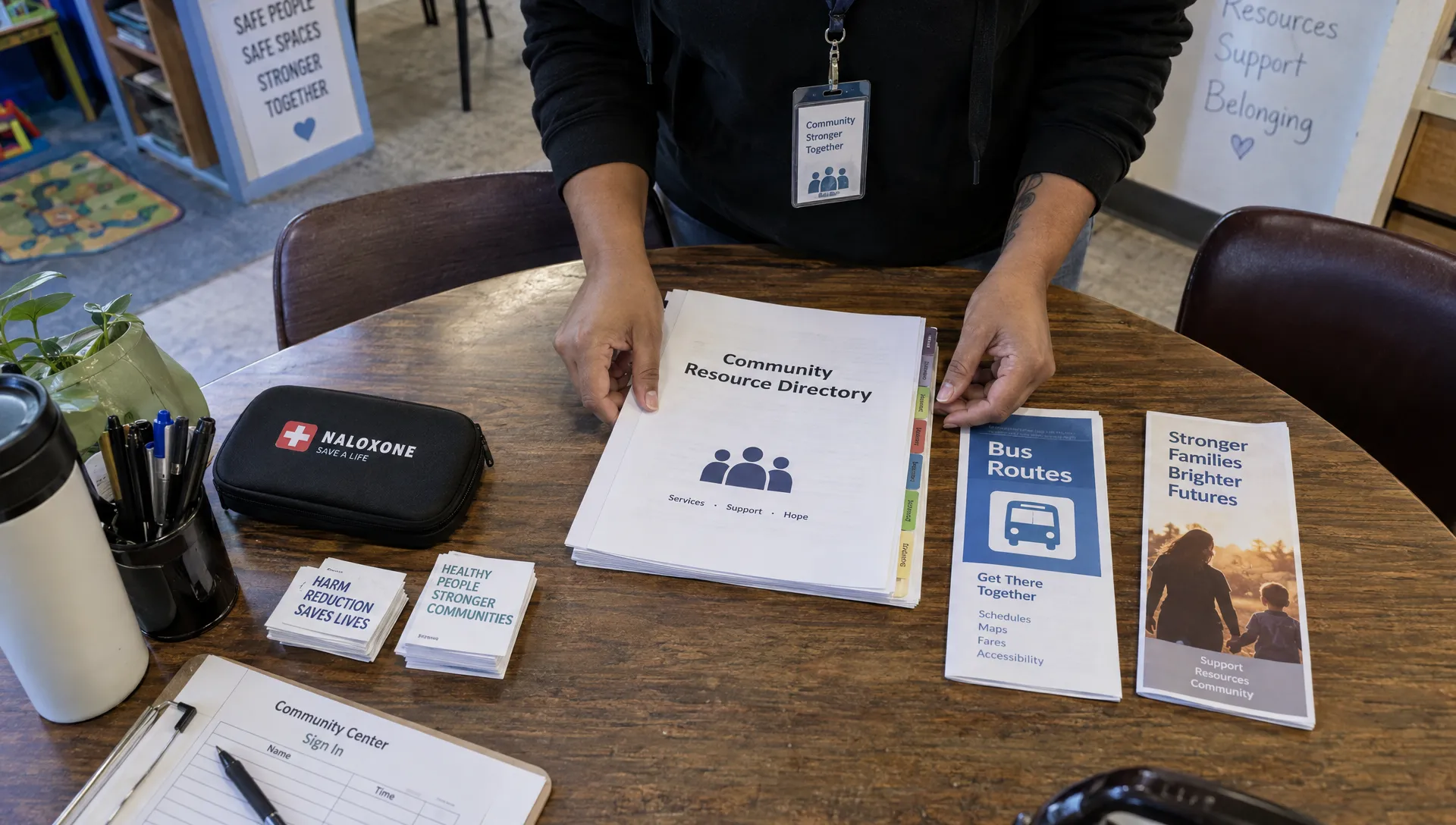
| Harm reduction | Naloxone access, overdose education and other risk-reduction resources | Support can be useful before someone stops using substances |
| Peer recovery support | Encouragement, shared experience and help navigating recovery | Peer support does not replace medical or psychiatric care |
| Practical assistance | Connections to housing, transportation, benefits or employment resources | Eligibility and availability vary locally |
| Compliance documentation | Reports for court, probation, workplace or licensing requirements | The requesting authority decides what satisfies its requirements |
Treatment remains part of this larger system. Depending on clinical needs, it may include outpatient counseling, intensive outpatient services, residential care, medically managed withdrawal or medications for alcohol or opioid use disorder. Mental health care may also be needed alongside substance-use care.
Why an evaluation is only one part of care
A useful evaluation clarifies needs and recommendations, but the next steps still matter. Someone may need help finding an available prescriber, arranging transportation or understanding which provider can address both substance use and depression.
Well-matched alcohol & drug abuse services connect the assessment to practical follow-through rather than leaving the person with a report and no clear direction.
For example, a person seeking voluntary care may need a clinical assessment followed by a treatment appointment. Someone with a court order may also need a report in a specified format. Those purposes can overlap, but they are not interchangeable. Our guide to how assessments guide substance use disorder treatment explains the clinical role in more detail.
Find local help without assuming one program does everything
Start with your location and the specific service you need. FindTreatment.gov lets you search for substance-use and mental health treatment facilities. Your state or county behavioral health department can also be a starting point for publicly funded programs and local eligibility information.
For housing, transportation, food or benefits assistance, 211 can help identify community resources. These practical supports can make attending care more feasible, even though they are not addiction treatment themselves.
When searching for alcohol & drug abuse services, narrow the request to something actionable, such as an outpatient assessment, medication treatment, family support or a court-required evaluation.
A directory listing is a starting point, not confirmation of an opening. Contact the provider to ask whether it currently offers the service, accepts new clients and can meet your needs. If it cannot help, request a specific alternative rather than only another general directory.
For telehealth, confirm that the provider can legally serve someone physically located in your state during the appointment. Nationwide advertising does not remove state licensing or program-specific requirements.
Verify the provider, the service and the intended outcome
Different roles require different qualifications. A licensed clinician, medical prescriber, peer specialist and DOT Substance Abuse Professional perform different functions. One credential does not automatically qualify someone for every task.
Use the relevant state licensing board’s public lookup to check a clinician’s license status. For a DOT case, ask about DOT-specific SAP qualifications, not simply whether the provider performs general substance-use evaluations.
Before paying for alcohol & drug abuse services, confirm these details:
- Scope: Does the organization provide treatment, evaluations, referrals or a combination?
- Availability: What is the earliest appropriate appointment, and is there a waitlist?
- Qualifications: Who performs the service, and what license or certification applies?
- Required documents: Will a court, probation officer, employer or licensing agency require a particular form or report?
- Follow-through: Who arranges referrals, and what happens if the recommended provider has no openings?
For a mandated evaluation, obtain the requesting authority’s requirements before booking. A professional report can still be unsuitable if the evaluator, format or process does not meet those requirements.
No evaluation provider should promise a particular diagnosis, automatic license reinstatement, dismissal of a charge or guaranteed return to safety-sensitive work. Those outcomes depend on clinical findings and decisions made by the relevant authority.
Understand costs before committing
The price of an initial appointment may not represent the total cost. Depending on the service, separate charges may apply to treatment sessions, laboratory testing, records, follow-up evaluations or expedited reporting. Ask for an itemized explanation of what is included and what could cost extra.
When comparing alcohol & drug abuse services, separate healthcare coverage from administrative or compliance expenses. Insurance may cover medically necessary care while excluding a report requested solely for court or employment purposes.
Check network status with both the provider and your health plan. Ask about deductibles, copayments, prior authorization and whether the specific service is covered. A provider saying it “accepts insurance” does not establish coverage under your particular plan.
If cost is a barrier, ask about sliding-scale fees, Medicaid participation, payment arrangements or publicly funded services. Availability depends on the program and location. Our explanation of insurance coverage for alcohol screening services covers the distinction between clinical screening and certain required evaluations.
Ask about privacy, language and accessibility
Before sharing sensitive information, ask how records are stored, who can receive them and what permission is required for disclosure. HIPAA applies to covered organizations, and certain substance-use treatment records have additional federal protections. The rules are not identical for every organization or every situation.
Privacy practices across alcohol & drug abuse services also need to be understood in context. An evaluation intended for probation or licensing has a different reporting purpose from a voluntary request for counseling.
Ask exactly what will be sent, to whom and whether you will receive a copy. Confidentiality does not mean there are no legally permitted or required disclosures. For a mandated service, discuss reporting expectations before the interview begins.
Accessibility deserves the same attention. Ask whether a qualified interpreter, translated materials, disability accommodations or a telephone alternative is available. Do not assume a family member should interpret sensitive clinical information.
For a video appointment, arrange a private space and confirm what happens if the connection fails. If you cannot safely receive voicemail, text messages or mailed documents, tell the provider which contact methods are safe. Online access can reduce travel barriers, but it does not automatically make every service appropriate for remote delivery.
Support for families and everyday recovery
Family members may need help understanding substance use, responding to an overdose risk or setting boundaries around money, housing and caregiving. They can seek education and support for their own well-being without taking responsibility for another person’s recovery.
Families can use alcohol & drug abuse services for guidance even when their loved one is not ready to enter treatment. Options may include family counseling, peer-led groups and instruction on recognizing an overdose and using naloxone.
A provider may be able to listen to information from a family member without being allowed to disclose the patient’s records in return. Ask about consent requirements rather than assuming a family relationship grants access.
Recovery support also extends beyond relatives. Peer specialists, mutual-help groups and community organizations can provide connection and practical encouragement. Case management may help coordinate appointments, benefits or housing referrals.
These supports complement clinical care. They should not be used as a replacement for medical attention, medication management or treatment when those services are needed. The useful question is which combination addresses the person’s current risks, goals and daily obstacles.
Frequently asked questions
Do I need to enter rehab before asking for help? No. You can contact a referral service, request an assessment or seek family support without committing to residential treatment. A clinical evaluation can help determine what level of care is appropriate, and many people receive care in outpatient settings.
Can I get help if I am not ready to stop using substances? Yes. Some alcohol & drug abuse services offer overdose prevention, harm reduction, peer support and conversations about treatment options without requiring an immediate commitment to abstinence. Ask the organization about its approach and eligibility requirements.
Can an online evaluation satisfy a court or probation requirement? Sometimes, but acceptance depends on the requesting authority and the case. Confirm permission for telehealth, evaluator qualifications and required report contents before paying. An evaluation is not proof that recommended treatment or other conditions have been completed.
What if the first provider has a long waitlist? Ask for another qualified provider, cancellation availability or an interim clinical appointment when appropriate. If symptoms worsen, seek a more urgent assessment rather than simply waiting. Emergency warning signs require emergency care, regardless of a scheduled appointment.
Can I use support services while receiving treatment elsewhere? Often, yes. Peer groups, transportation assistance, family education and case management may complement care from another organization. Tell your clinician about other services you use so recommendations can be coordinated, with appropriate permission for information sharing.
Need an evaluation for a specific requirement?
Affordable Evaluations offers nationwide telehealth evaluations for court, probation, driver’s license reinstatement and DOT SAP needs, with licensed, certified evaluators and secure video appointments.
If you need a documented assessment rather than emergency care or ongoing treatment, review the alcohol and drug evaluation service. Before booking, have your order, agency instructions and deadline available, and confirm which evaluation applies to your case. The goal is to arrange the right service for the requirement, without confusing an assessment with treatment or a guaranteed legal or employment outcome.