
A chemical use assessment is a structured evaluation that looks at a person’s alcohol, drug, cannabis or prescription medication use and how it may be affecting safety, health, work, driving privileges or legal compliance. It is not simply a conversation about whether someone “has a problem.” A qualified evaluator reviews the context, patterns, risks and required documentation so the final recommendations are clinically appropriate and useful for the agency, employer or court that requested them.
People often hear different names for the same general process: substance abuse evaluation, alcohol and drug assessment, DUI evaluation, clinical substance use assessment or chemical dependency evaluation. The exact wording may depend on the state, court, employer or licensing board. What matters most is that the evaluation meets the requirements of the party requesting it and is completed by a qualified professional.
What a Chemical Use Assessment Includes
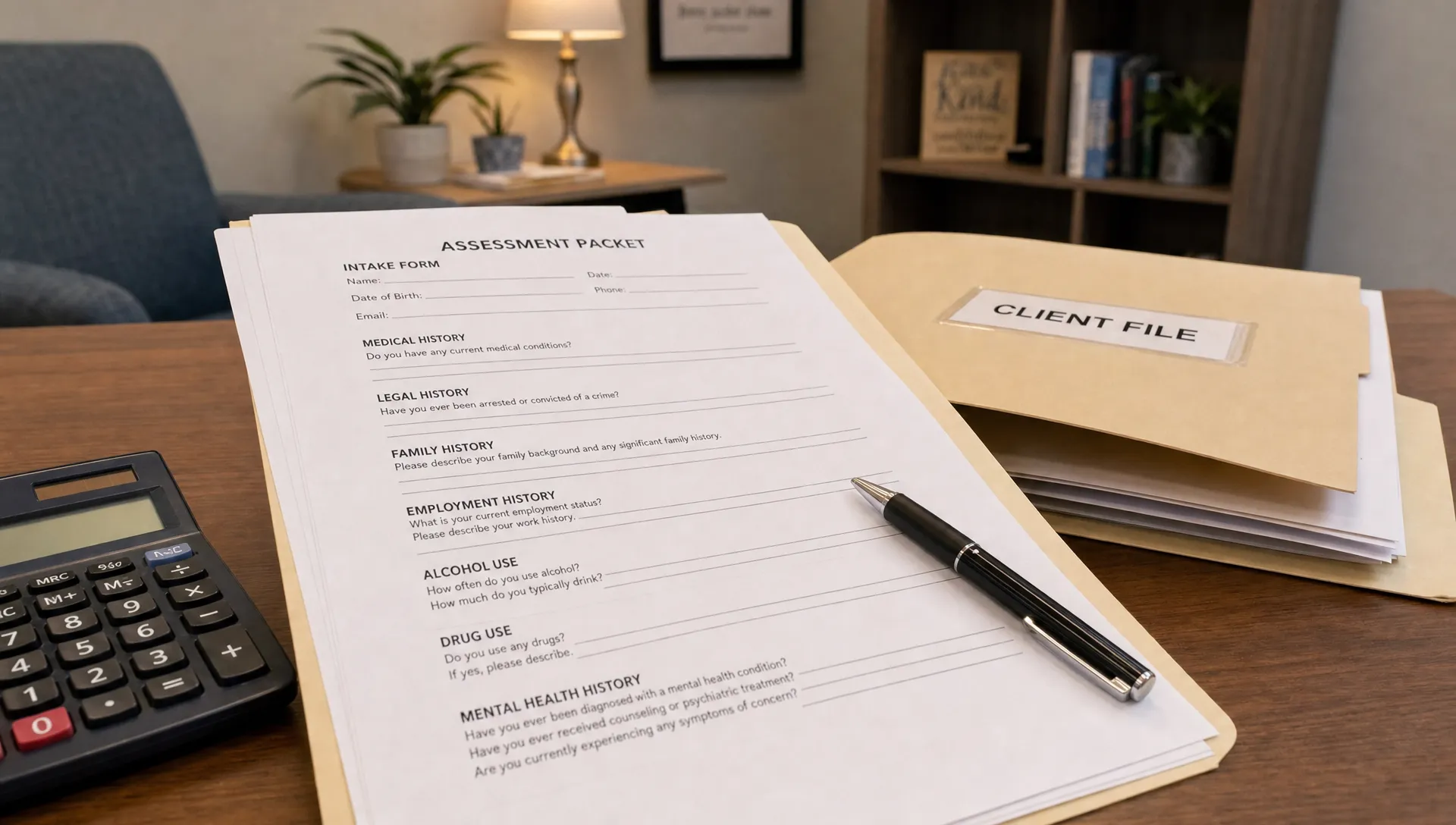
A chemical use assessment usually combines a clinical interview, screening tools, document review and written recommendations. The goal is to understand both current substance use and the broader life circumstances around it, not to punish or embarrass the person being assessed.
The evaluator may ask about alcohol use, illegal drug use, cannabis use, prescription medication use and prior treatment history. They may also ask about family history, mental health symptoms, medical conditions, work status, legal charges, probation requirements, driving history and recent testing results if those apply.
A well-done evaluation should answer three practical questions:
- Is there evidence of risky, harmful or disordered substance use?
- What level of education, counseling, treatment or monitoring is clinically appropriate?
- What does the referring party need in writing to confirm compliance?
If you want a broader walk-through of the appointment experience, Affordable Evaluations also explains what to expect in a substance abuse evaluation in a separate guide.
The Main Parts of the Evaluation
Although requirements vary, most evaluations follow a similar structure. A chemical use assessment is usually more detailed than a basic intake form because the report may affect court compliance, employment eligibility, license reinstatement or return-to-duty steps.
| Assessment component | What is reviewed | Why it matters |
|---|---|---|
| Referral reason | Court order, probation request, employer requirement, DUI case, license issue or personal concern | Confirms what the report must address |
| Substance use history | Alcohol, cannabis, controlled substances, prescription medication misuse, frequency and consequences | Helps identify patterns and risk level |
| Clinical interview | Health, mental health, family, work, legal, social and safety history | Gives context beyond a checklist |
| Screening tools | Standardized questionnaires chosen by the evaluator | Supports consistent clinical decision-making |
| Records review | Tickets, court documents, probation instructions, test results or treatment records when available | Helps match the evaluation to the referring party’s requirements |
| Recommendations | Education, counseling, treatment, monitoring, testing or no further services when appropriate | Provides a clear next step |
| Written report | Summary, findings and recommendations | Documents completion and supports compliance |
The report is often the part people care about most, but the quality of the report depends on the quality of the interview and supporting information. If the evaluator has incomplete paperwork, the final report may not answer the question the court, employer or agency is asking.
Who Needs a Chemical Use Assessment?
A chemical use assessment may be required by an outside authority or requested voluntarily. In either case, the reason for the assessment shapes the documentation, timeline and recommendations.
Court, DUI and probation requirements
Courts commonly order alcohol and drug evaluations after DUI, DWI, possession, public intoxication, domestic incidents, child custody disputes or other cases where substance use may be relevant. Probation officers may also request an evaluation to determine whether education, counseling or treatment should be part of a supervision plan.
For these cases, the evaluator usually needs the court order, charge information, probation instructions and any deadlines. If your assessment is connected to a legal case, this guide on how to prepare for a court-ordered substance abuse evaluation can help you gather the right documents before your appointment.
Driver’s license reinstatement
Some states require an evaluation before reinstating driving privileges after an alcohol or drug-related offense. The evaluation may look at the person’s history of impaired driving, treatment completion, relapse risk, testing history and current recovery supports.
The requirements can be very specific. Some agencies need a particular form, report format, evaluator credential or submission process. Before scheduling, confirm what your DMV, licensing agency or attorney needs so the assessment can be completed correctly the first time.
DOT and workplace return-to-duty situations
A chemical use assessment may also be part of a workplace process, especially after a drug or alcohol policy violation. For employees in safety-sensitive Department of Transportation roles, a Substance Abuse Professional, often called a SAP, has a specific role in the return-to-duty process. This is different from a general workplace evaluation.
In a DOT SAP case, the SAP evaluates the employee, makes recommendations, confirms completion of required steps and helps determine eligibility for return-to-duty testing. Affordable Evaluations covers this topic in more depth in its article on what a substance abuse evaluation covers in a return-to-duty program.
Professional licensing, school and personal reasons
Some people need an evaluation for a professional board, nursing program, aviation-related issue, military-related requirement or school disciplinary matter. Others seek an assessment voluntarily because a family member, therapist, attorney or employer raised concerns.
Voluntary evaluations can still be valuable. They provide a structured, confidential way to understand risk, document stability or identify the right kind of support before a situation becomes more serious.
What the Evaluator Is Looking For
A qualified evaluator is not looking for a single “right answer.” During a chemical use assessment, they are looking for consistency, context and clinical indicators. That includes how often substances are used, whether use has increased over time and whether it has caused problems in health, relationships, finances, work, school or legal status.
The evaluator may also consider signs of impaired control, cravings, tolerance, withdrawal, unsuccessful attempts to cut back or continued use despite consequences. These topics can feel personal, but they are standard parts of substance use assessment.
Mental health is often relevant too. Anxiety, depression, trauma, sleep problems, grief and stress can affect substance use patterns. In some situations, a combined substance use and mental health evaluation is more appropriate than looking at alcohol or drug use alone.

What a Chemical Use Assessment Is Not
A chemical use assessment is not a guaranteed diagnosis, a guaranteed clearance, a drug test by itself or legal representation. It is also not a moral judgment. The evaluator’s role is to provide an objective clinical opinion based on the information available.
It is possible for a person to complete an assessment and receive a recommendation for no further treatment, education only, outpatient counseling, intensive treatment or follow-up monitoring. The recommendation depends on the risk factors, history, records and referral requirements.
It is also possible for the referring party to have rules that go beyond the evaluator’s recommendation. For example, a court may still require a class, an employer may still require testing or a licensing board may still require documentation even if the evaluator does not identify a substance use disorder.
How to Prepare for the Appointment
Preparation helps the evaluator complete an accurate report and reduces delays. A chemical use assessment is easiest to complete when the person being evaluated brings the right documents and is ready to answer questions honestly.
Before the appointment, gather items such as:
- A court order, probation paperwork, employer notice or agency instructions
- Driver’s license reinstatement documents if applicable
- Police reports, tickets or case numbers if requested
- Prior treatment records or completion certificates
- Recent drug or alcohol test results if relevant
- A medication list, including prescribed controlled substances
- Contact information for attorneys, probation officers or case managers if reports must be sent directly
Honesty matters. Trying to minimize, exaggerate or guess what the evaluator wants to hear can make the report less useful. If you do not remember exact dates or amounts, say so and provide your best estimate.
Can It Be Done Online?
Many evaluations can be completed by secure video when the referring party accepts telehealth. A chemical use assessment by telehealth typically includes identity verification, paperwork review, a confidential video interview and electronic report delivery.
Telehealth is especially helpful for people who need a fast appointment, live far from an evaluator, have transportation barriers or need an assessment while balancing work and family obligations. Affordable Evaluations provides nationwide telehealth services, including court, probation, DOT SAP and driver’s license reinstatement-related assessments, with licensed and certified evaluators.
Before scheduling, confirm whether your court, employer, probation office or agency accepts an online evaluation. Many do, but some require specific providers, state credentials or forms.
What Happens After the Assessment?
After the interview, the evaluator reviews the information and prepares a written report. The report may include the referral reason, clinical summary, screening results, risk factors, diagnostic impressions when appropriate and recommendations.
Depending on the case, recommendations may include alcohol or drug education, outpatient counseling, treatment placement, relapse prevention, support groups, random testing, follow-up appointments or no further action. The evaluator should explain the recommendation in plain language so you understand what is being asked of you.
If a report must be sent to a third party, you may need to sign a release of information. Reports are typically handled with privacy safeguards, but confidentiality has limits when an evaluation is required by a court, employer or agency and you authorize disclosure.
How to Choose the Right Evaluator
Not every provider can complete every type of evaluation. A court case, DOT SAP case, probation matter or license reinstatement requirement may call for specific credentials. Before paying for an appointment, ask whether the evaluator can meet the exact requirement you were given.
Look for a provider that offers:
- Licensed or certified evaluators with substance use assessment experience
- Secure telehealth options if online service is accepted
- Clear instructions about required documents
- Written reports that address the referring party’s questions
- Realistic timelines for completion and delivery
- Follow-up support if counseling or compliance services are recommended
A fast appointment is helpful, but accuracy matters more. A report that is incomplete or not accepted by the requesting party can create delays, extra costs and missed deadlines.
Frequently Asked Questions
How long does a chemical use assessment take? Many appointments take about one to two hours, but the full timeline depends on paperwork, referral requirements and how quickly records are available. Report delivery may take additional time after the interview.
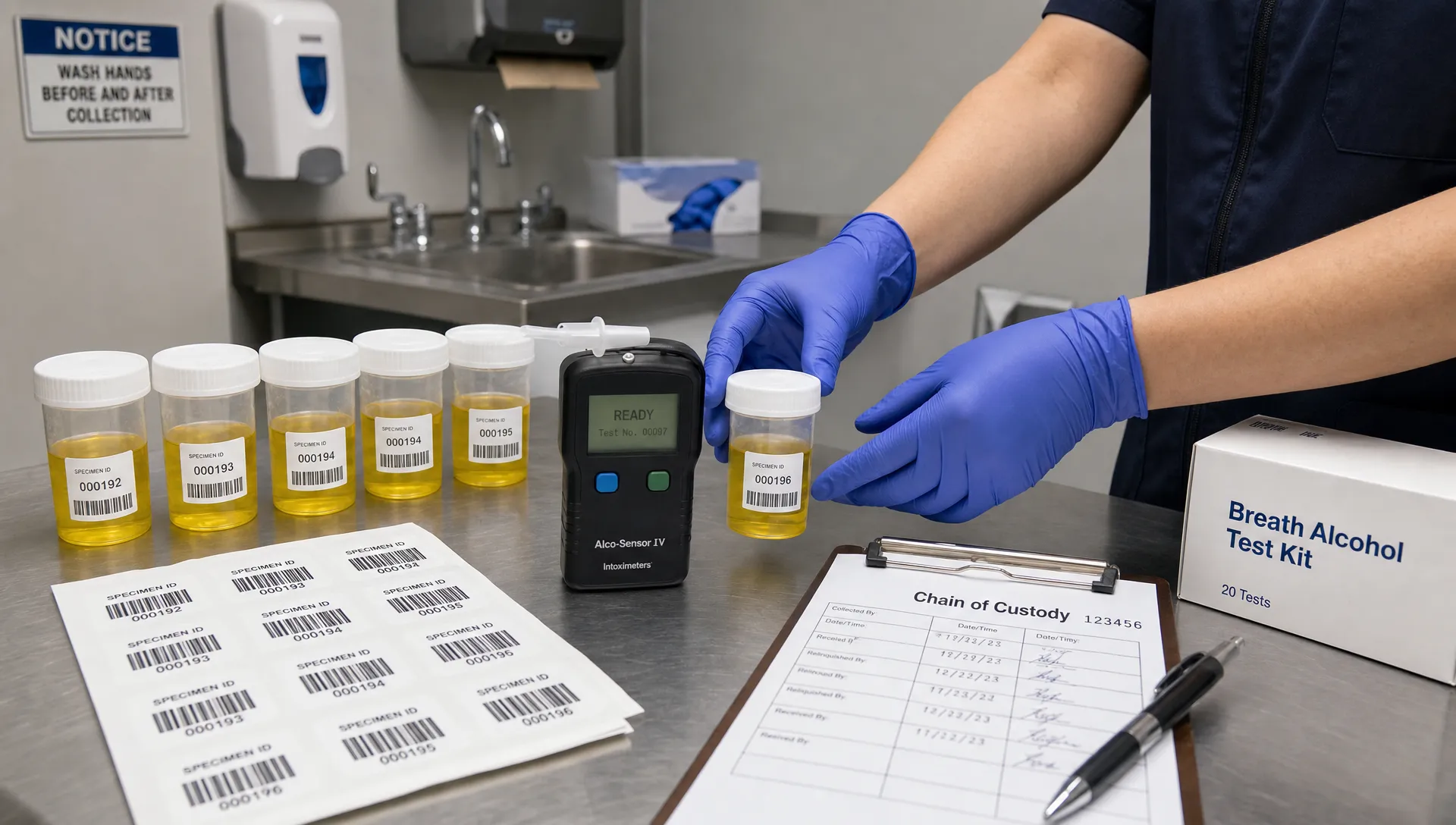
Is a chemical use assessment the same as a drug test? No. A drug test checks for substances in a specimen. An assessment is a clinical review of history, risk, behavior, consequences and treatment needs. Testing may be included or requested separately, but it is not the whole evaluation.
Will I automatically be sent to treatment? No. Recommendations depend on the information reviewed, the evaluator’s clinical judgment and the requirements of the referring party. Some people are recommended for education only or no further services, while others need counseling or treatment.
Can I complete the assessment online? Often, yes, if the court, employer, probation office or agency accepts telehealth. You should confirm this before scheduling so the evaluation format meets your requirement.
What if I disagree with the recommendation? Ask the evaluator to explain the reasoning and what information was used. If the assessment was ordered by a court, employer or agency, ask that party what appeal, second opinion or review options are available.
Get Help Completing the Right Assessment
If you need a chemical use assessment for court, probation, DOT SAP, work, DUI or driver’s license reinstatement, make sure the evaluation matches the requirement you were given. The right provider can help you understand what documents are needed, complete the appointment securely and receive a written report for compliance.
Affordable Evaluations offers nationwide telehealth alcohol and drug evaluations with licensed, certified evaluators, secure video sessions and fast PDF report delivery. To get started or confirm which evaluation fits your situation, visit Affordable Evaluations.