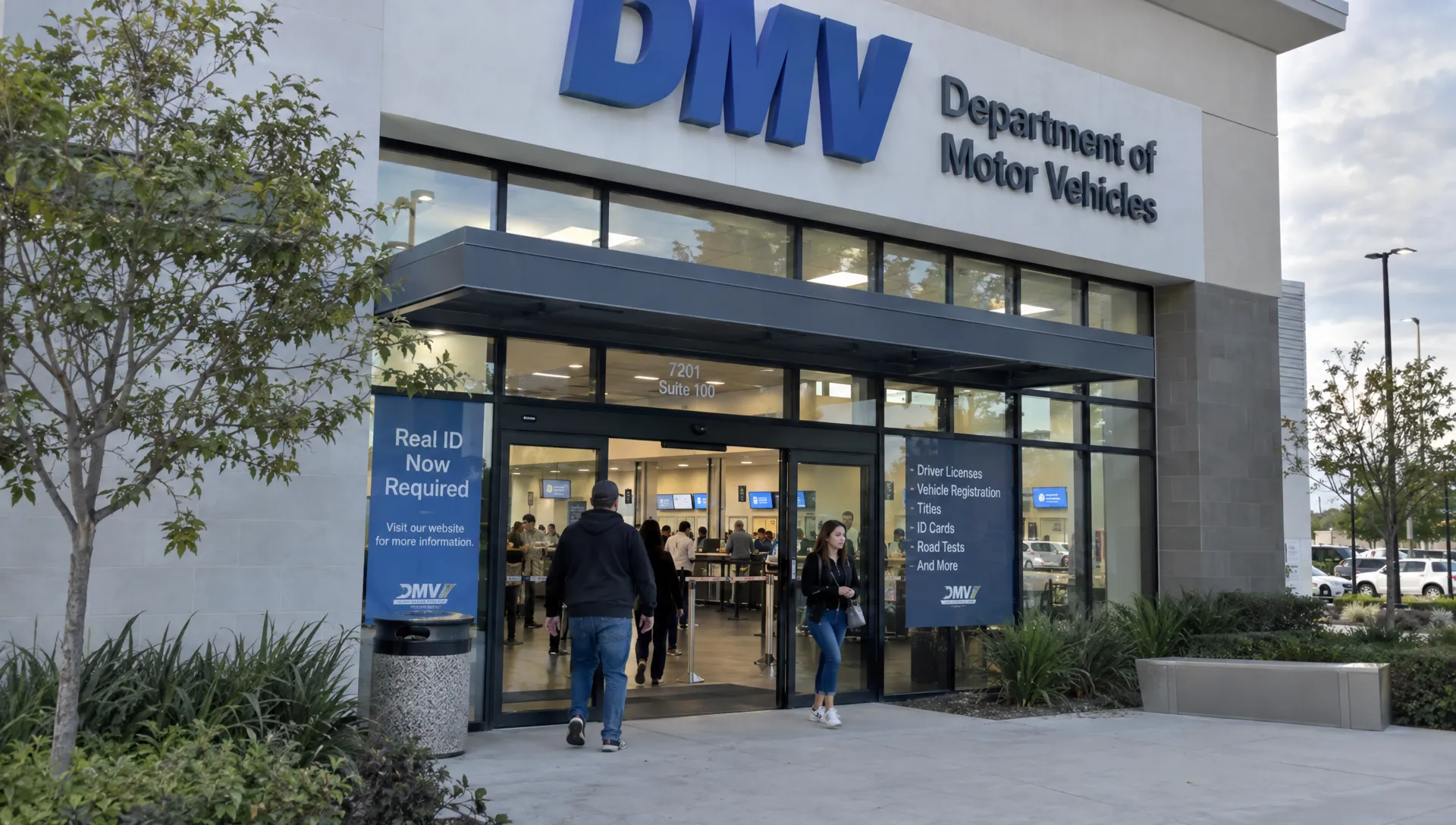
A DWI assessment does not have one nationwide expiration date. How long your report remains acceptable depends on the court, probation office or driver licensing agency requesting it. A report accepted for one purpose may be too old, incomplete or otherwise unsuitable for another.
Before paying for a new evaluation, confirm three things: who needs the report, how recent it must be and which date controls that requirement. Those details determine whether you can submit your existing report, request an update or need another appointment.
How long is a DWI assessment valid?
The practical answer is: your assessment must meet the receiving authority’s current requirements when you use it. Those requirements may come from a court order, probation instructions, a state licensing application or an agency’s administrative rules.
“Valid” can mean several different things. A report might be recent enough but come from a provider the agency does not recognize. It might satisfy a court order without meeting separate license reinstatement requirements. Or it might remain part of your case file while being too old for a new application.
For a DWI assessment, ask about both recency and acceptance, rather than asking only whether it “expires.”
| What to verify | Why it matters |
|---|---|
| Required report age | The receiving authority may require a recent evaluation. |
| Controlling date | The deadline may relate to submission, a hearing or another event. |
| Provider qualifications | A professional license alone may not satisfy program approval rules. |
| Required format | A general clinical report may not replace an agency-specific form. |
| Required follow-through | Completing the interview may not satisfy education or treatment requirements. |
An appointment confirmation or payment receipt is not a substitute for an accepted report. Keep written confirmation of the actual requirements whenever possible.
Court acceptance and license reinstatement are separate
Court and probation requirements
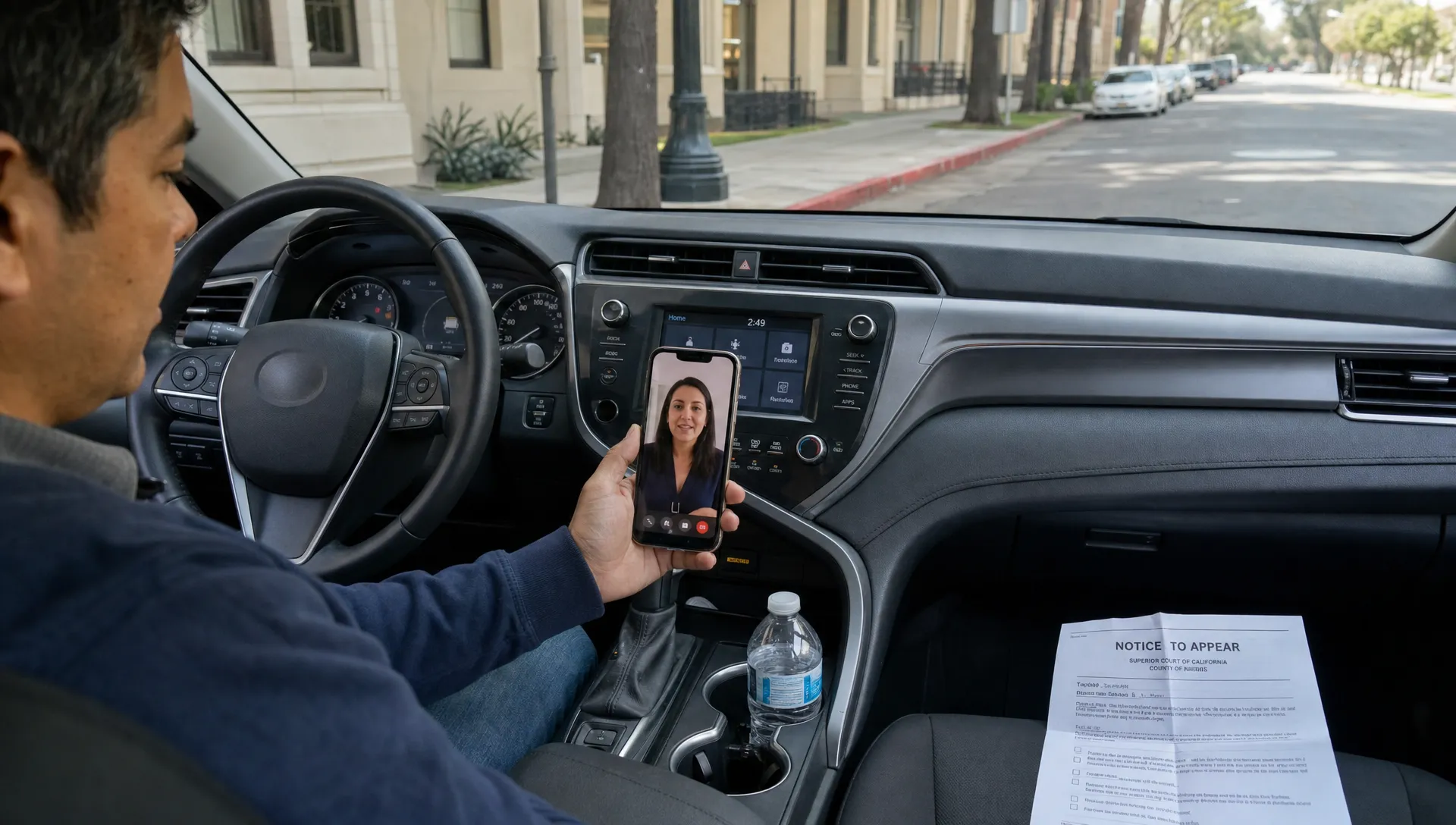
Start with your court order or probation instructions. Look for language about completing an evaluation, submitting the report and following any recommendations. These can be separate obligations with different deadlines.
If the instructions are unclear, ask your attorney or supervising officer which document controls. A court clerk may be able to explain filing procedures, but legal questions about interpreting an order belong with your attorney.
Do not assume a postponed hearing automatically extends an assessment deadline. Ask whether the original deadline remains in effect and whether the later hearing changes the report’s recency requirement.
Driver licensing requirements
A motor vehicle agency may require its own forms, approved providers or supporting records, even after the court portion of a case is complete. A DWI assessment submitted during sentencing is not automatically sufficient for reinstatement months or years later.
You can locate the relevant licensing authority through the federal government’s directory of state motor vehicle services. Use that agency’s current instructions rather than relying on another state’s rules.
Our guide to when a substance-use assessment is needed for driver’s license reinstatement explains why licensing and court obligations can differ.
Which date starts the validity window?
The date of the traffic stop is not necessarily the date that matters. Depending on the applicable instructions, the relevant date could be the evaluation interview, the report’s completion or the date of a required clinical update.
You also need to know when the receiving authority measures the report’s age. It might review recency when you submit an application, when it receives a complete packet or when your hearing takes place.
Hypothetical example, not a state rule: An agency requires an evaluation completed within six months before a hearing. A January 10 evaluation would be more than six months old at an August 10 hearing, even if you submitted it earlier. A different rule tied to the submission date could produce a different result.
When checking the age of a DWI assessment, use the exact wording in your instructions. Ask:
“My evaluation interview was on [date], the report was issued on [date] and my submission or hearing is scheduled for [date]. Will this report meet your recency requirement?”
If the response is verbal, note the person’s name, role and the date of the conversation. Request written confirmation when available.
What can make a recent report unacceptable?
Age is only one part of acceptance. A report completed last week can still fail to meet a particular requirement.
Common issues to check include:
- Provider eligibility: The evaluator may need specific credentials, program approval or authorization for the jurisdiction.
- Missing documents: The agency may require a driving record, case information, treatment records or its own forms.
- Appointment format: The receiving authority may have conditions for accepting remote evaluations.
- Changes since the interview: A new alcohol-related incident or material change in substance use may require updated clinical information.
A DWI assessment is also different from proof that you completed its recommendations. If education, counseling or treatment is required, the receiving authority may need separate completion records.
The interview itself generally involves questions about alcohol and drug use, relevant history and the circumstances of the referral. Its purpose is to evaluate needs and make recommendations, not simply to produce a document with a recent date. Answer accurately and provide the records requested by the evaluator.
Can you reuse an old report or request an update?
Possibly, but get approval before assuming either option will work. The receiving authority decides whether an existing report is acceptable. The evaluator decides what additional clinical work is necessary to prepare an accurate update.
An update may address changes since the original interview and review new records. In other circumstances, the authority may require a completely new evaluation. A correction to a name or case number is different from a clinical reassessment and does not necessarily restart a recency window.
Do not ask a provider simply to change the date on an old DWI assessment. A newer issue date does not establish that your current circumstances were evaluated.
If the report has already been submitted, ask whether you need to replace it, supplement it or wait for a specific request. Sending multiple inconsistent versions without explanation can create confusion. Keep copies of the original report, any updates and the instructions explaining what was requested.
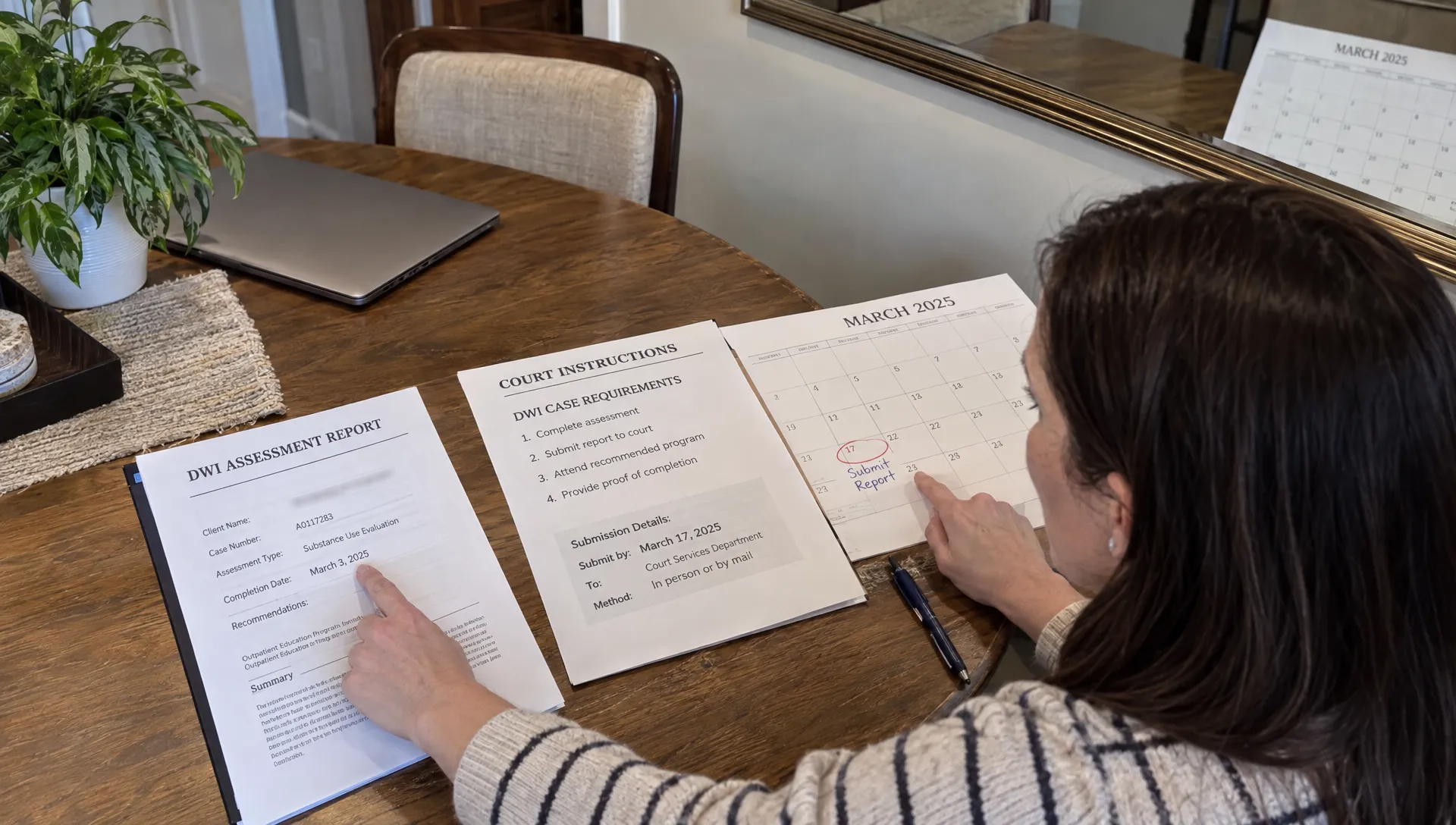
What to confirm before booking another appointment
Verify approval for your specific case
Ask the receiving authority whether it maintains an approved provider list or requires particular credentials. Then ask the provider whether it can complete the specific report or form you need.
“Licensed evaluator” and “approved for this requirement” are not always interchangeable. Give the provider the state, county, requesting agency and relevant written instructions before booking. For an out-of-state case, identify both where the offense occurred and which state controls your driving privileges.
Check whether telehealth qualifies
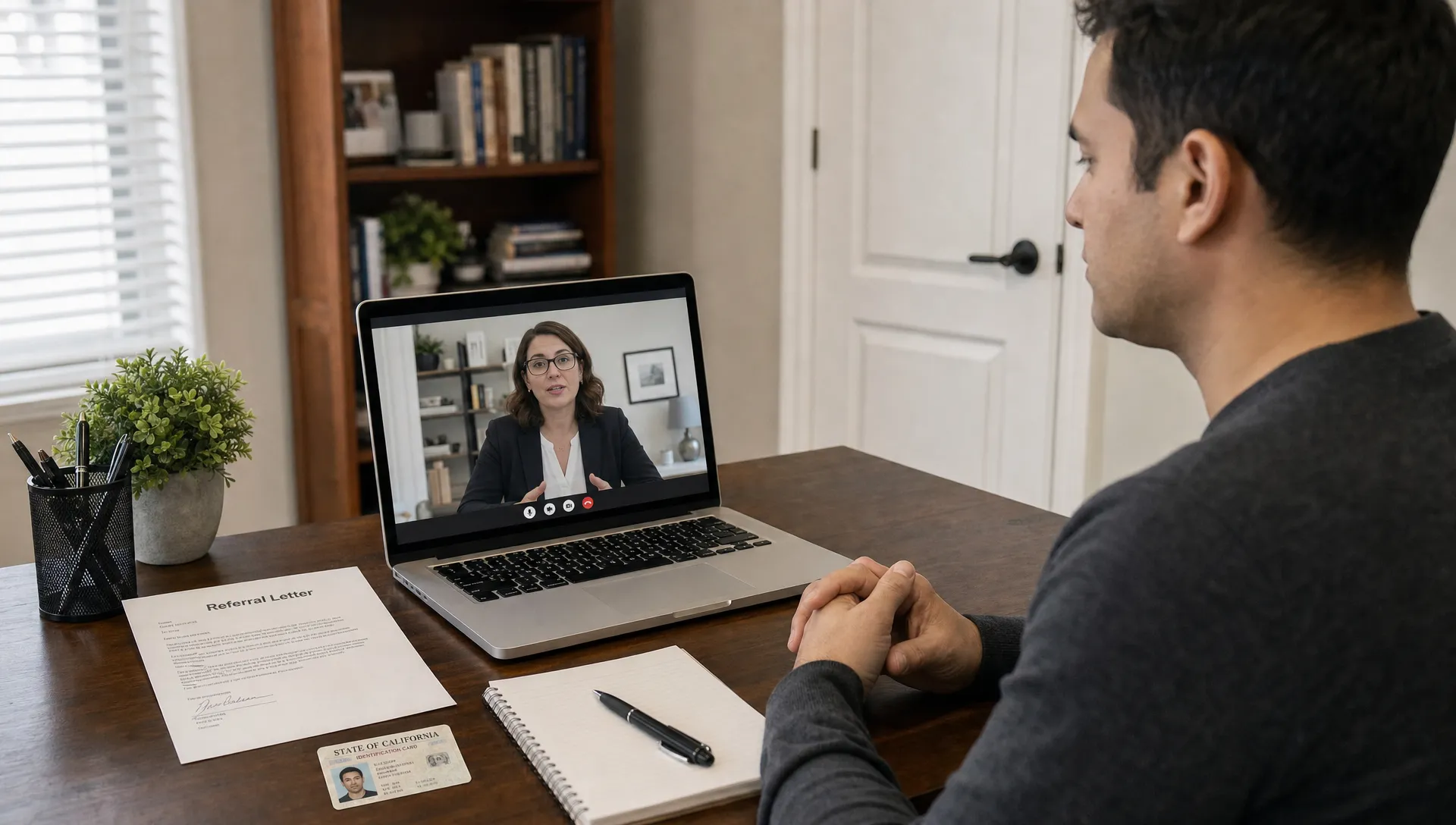
Do not assume that every online service is accepted, or that all remote formats are equivalent. A live clinical video appointment is different from a self-completed questionnaire or an automatically generated certificate.
Before scheduling a remote DWI assessment, confirm whether the receiving authority accepts that format and whether the evaluator can serve you in the state where you will physically be during the appointment. Send any special instructions in advance.
Get a complete fee explanation
Ask what the quoted fee includes: the interview, written report, required forms and delivery. Also ask about possible charges for rush processing, later updates or additional paperwork. Do not assume those services are included.
Keep required evaluation and program costs separate from optional shopping, such as gifts and everyday items from KayWoot, so you can see what remains available for compliance expenses. The useful number is the total expected cost, not just the appointment price.
Plan backward from the actual deadline
Allow time for more than the interview. Your evaluator may need records before finalizing the report, and you may need time to review identifying details, authorize delivery and resolve missing paperwork.
Start by identifying the agency’s deadline. Then confirm the provider’s report turnaround and work backward to choose an appointment date. Ask how the report must be delivered and who is responsible for sending it. A PDF in your inbox does not necessarily mean the court or licensing agency has received it.
If your deadline is close, a same-day drug and alcohol assessment appointment may help with scheduling, but appointment speed is not the same as report completion or agency acceptance.
Before considering your DWI assessment requirement finished, confirm receipt through the appropriate channel. Keep the submitted report, delivery confirmation and any acceptance notice together. Never assume that completing an evaluation restores your driving privileges; reinstatement requires the licensing authority’s authorization.
Frequently asked questions
Is an assessment valid for six months everywhere? No. Do not treat a six-month period, or any other period mentioned online, as a nationwide rule. Verify the applicable requirement with the court, probation office or licensing agency handling your case.
Does a delayed hearing mean I need a new evaluation? Not automatically. A delay may matter if the report must be recent as of the hearing date. Ask whether your existing report remains acceptable and whether an update would satisfy the requirement.
Can one DWI assessment satisfy both court and DMV requirements? Sometimes, if both authorities accept the provider, report format, appointment method and timing. Confirm with each authority separately before relying on one report for both purposes.
Does completing treatment extend the report’s validity? Not automatically. Treatment completion and report recency are separate issues. An agency may request completion records, an updated evaluation or both.
Can the evaluator guarantee acceptance? A provider can explain its qualifications and the reports it prepares, but the receiving authority determines acceptance. Be cautious about promises of universal court or licensing approval.
Get help with the right report for your deadline
Affordable Evaluations offers nationwide telehealth alcohol and drug evaluations for court, probation and driver’s license reinstatement needs, with licensed, certified evaluators and secure video sessions.
Before booking, gather your order or agency instructions, existing report and upcoming deadlines. Contact Affordable Evaluations to discuss your requirements, available appointments and report delivery timing. Confirm provider and telehealth acceptance with the receiving authority so you can schedule the service your case actually requires.