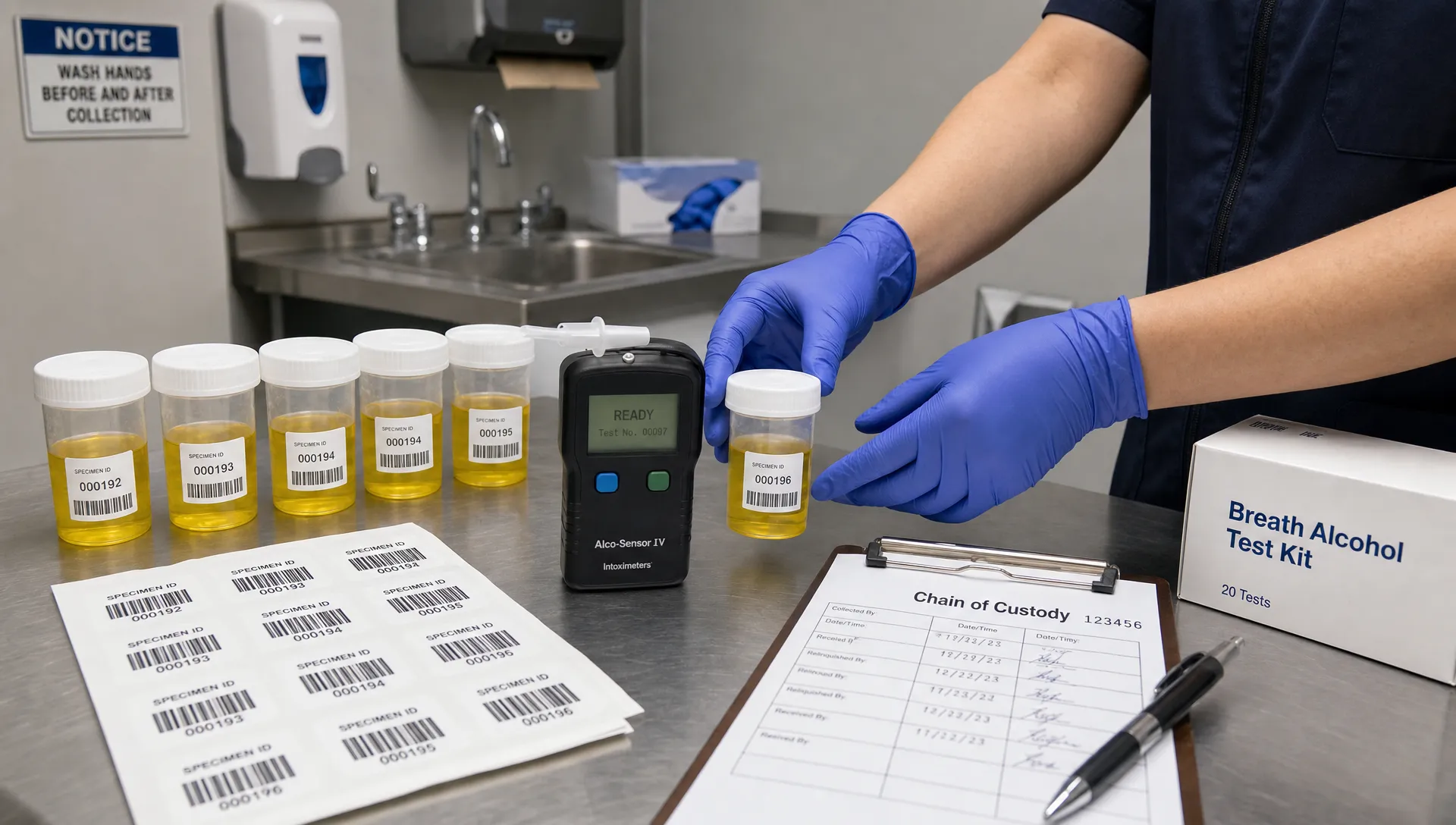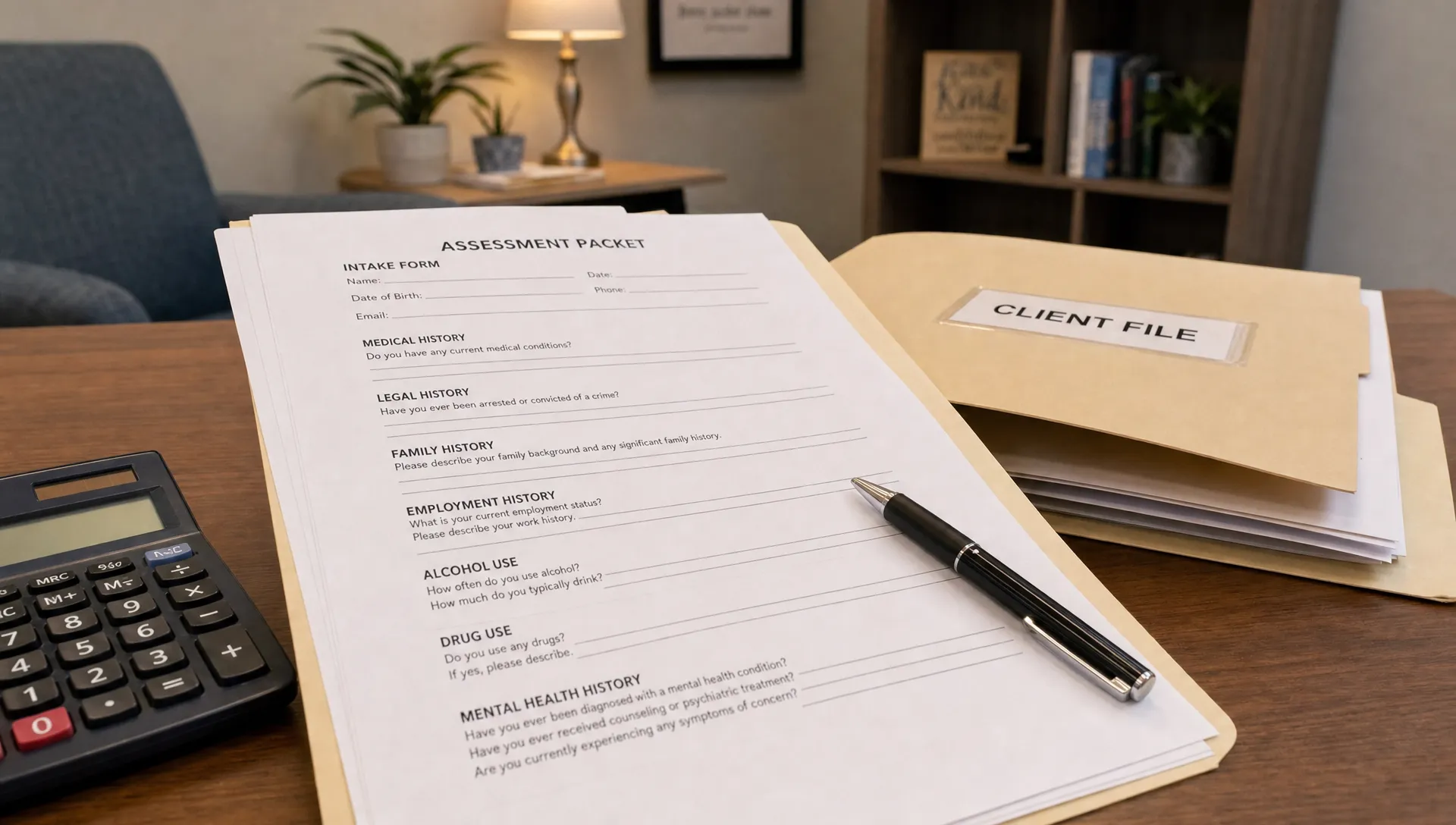

If your paperwork says you must complete a drug or alcohol evaluation, and you are searching for an online drug assessment court approved, pause before you book. “Court-approved” is not a universal label that applies the same way in every county, probation office or licensing agency. The provider may be legitimate, but your specific court may still reject the report if the format, evaluator credentials, deadline or telehealth rules do not match the order.
That is why the safest approach is to verify acceptance before the appointment, not after the report is sent. A good online assessment can save time, avoid travel and help you meet a compliance deadline, but only if it satisfies the authority that requested it.
What “online drug assessment court approved” should actually mean
The phrase “court-approved” can mean several different things. Sometimes it means the provider is already known to a local court or probation department. Sometimes it simply means the evaluation meets the court’s written requirements. In other cases, the court does not pre-approve providers at all and leaves it to the defendant, attorney or probation officer to choose a qualified evaluator.
That distinction matters because an online provider cannot override a judge’s order. If the order says the assessment must be completed by a state-licensed substance abuse professional, a DUI program, a specific agency or an in-person provider, those instructions control. If the order allows a qualified telehealth evaluation, an online option may be appropriate.
You do not need to understand every legal detail before scheduling, but you do need to confirm the basics: who ordered the evaluation, who will receive the report, what credentials are required and whether online completion is accepted. For a broader overview of how these evaluations work, Affordable Evaluations explains the process in its guide to online court-ordered drug and alcohol evaluations.
Verify acceptance with the court, probation officer or licensing agency
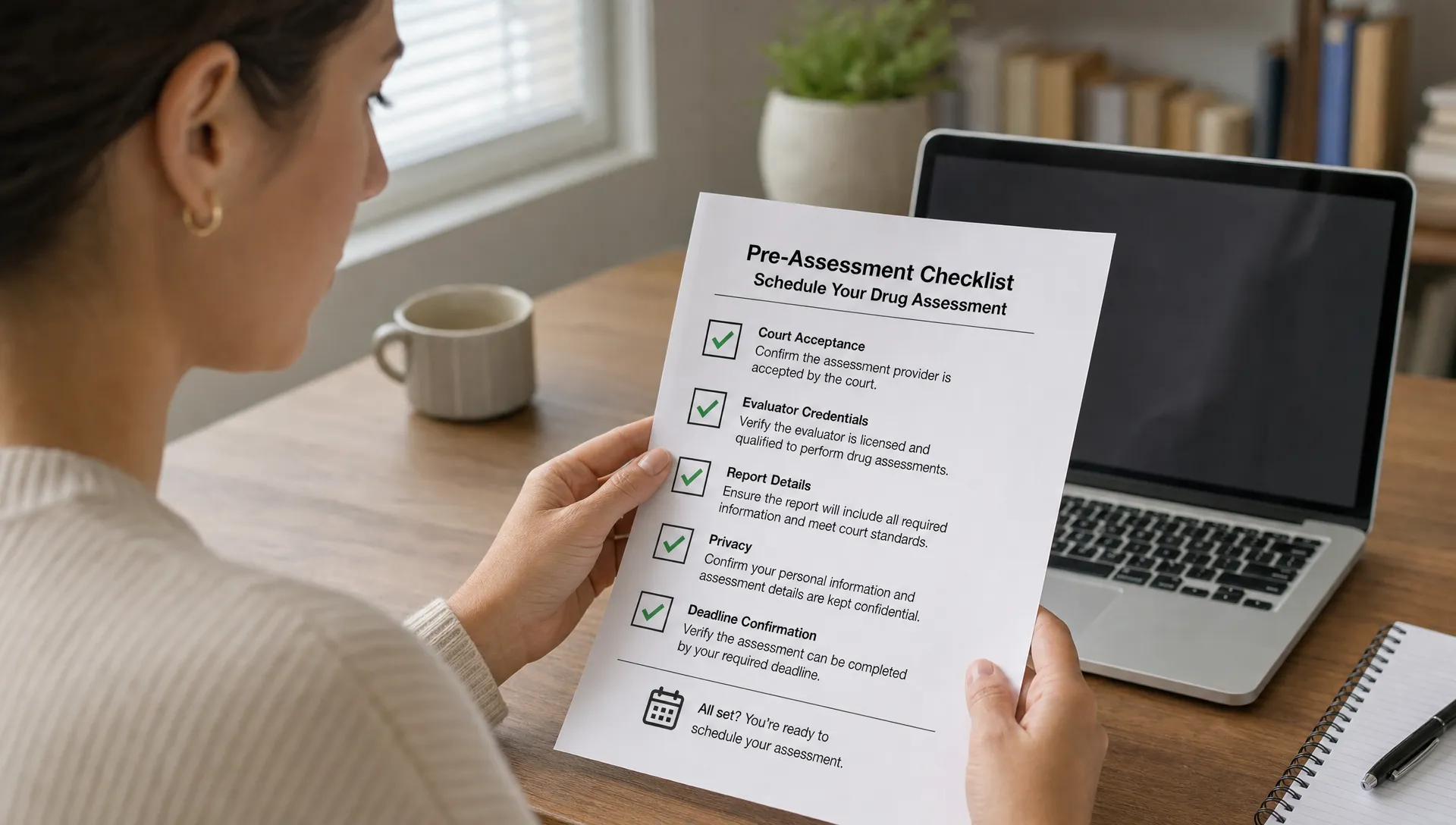
Before booking an online drug assessment court approved for your case, confirm whether telehealth is accepted by the exact authority handling your matter. Do not rely only on a provider’s website language, since acceptance can differ between counties, judges and probation departments.
The best source is usually the person or office that gave you the requirement. That may be a probation officer, pretrial services officer, DUI court coordinator, clerk, attorney, diversion program, employer compliance contact or driver’s license agency. Ask whether an online evaluation is acceptable and whether the provider must meet any specific credential, state licensure or reporting requirement.
If possible, get the answer in writing by email or through your attorney. A short written confirmation can prevent confusion later, especially if your deadline is close. If the office will not give a written answer, document the date, name of the person you spoke with and what they said.
Telehealth rules can also vary by state and case type. If your order involves another state, an out-of-state court or license reinstatement, review the specific rules before scheduling. The article on court-ordered online substance abuse evaluations and telehealth rules by state covers common acceptance issues that can affect online appointments.
Verify evaluator credentials, not just the website claim
A legitimate online drug assessment court approved for your case should be conducted by a qualified evaluator, not by an anonymous intake service. Courts and agencies commonly look for licensed or certified professionals with experience in substance use assessments, DUI evaluations, probation compliance or related behavioral health work.
Ask for the evaluator’s role and credentials before paying. Depending on the case, relevant qualifications may include state licensure, alcohol and drug counselor certification, clinical social work licensure, professional counseling licensure or DOT Substance Abuse Professional qualification for transportation cases. Not every court case requires the same credential, so the goal is not to find the most impressive title. The goal is to match the requirement in your paperwork.
If your case is tied to a CDL, FMCSA Clearinghouse issue or return-to-duty requirement, the standard is different from an ordinary court evaluation. DOT SAP cases must follow federal return-to-duty rules, and a general court report may not be enough. Affordable Evaluations has a separate guide on how a DUI online drug evaluation differs from a DOT SAP if your situation involves both court and employment concerns.
Also verify that the provider can identify the evaluator on the final report. Courts usually need to see the evaluator’s name, credentials, signature and contact information, along with the date of the assessment.
Verify what the written report will include
The report is often the part that matters most to the court. A friendly video session is not enough if the written document is vague, incomplete or missing required details. Before scheduling, ask what the final report includes and whether it can be addressed to the court, probation department, attorney or licensing agency that needs it.
Most court-facing reports should identify the client, the reason for referral, the assessment date, the method of evaluation and relevant clinical findings. Depending on the case, the evaluator may also include screening results, substance use history, risk level, diagnostic impressions, recommendations and proof of completion. The exact wording should be professional and factual, not promotional.
| Item to verify | Why it matters |
|---|---|
| Evaluator name and credentials | Shows the court who performed the assessment |
| Assessment date and format | Confirms completion and whether it was online |
| Referral reason | Connects the report to the court order or probation requirement |
| Findings and recommendations | Helps the court determine next steps |
| Signature and contact details | Allows the authority to verify the report |
| Delivery format | Confirms whether a PDF, fax or direct submission is available |
Even when an online drug assessment court approved provider is qualified, ask whether the report can be revised if a court requests a minor formatting change. A provider should not alter clinical conclusions just to satisfy a preference, but they may be able to correct missing case numbers, recipient names or administrative details.
Verify privacy, identity and secure video procedures
Online evaluations involve sensitive health and legal information, so privacy should not be treated as an afterthought. Ask whether sessions take place through secure video and how records are protected. Affordable Evaluations offers HIPAA-compliant video sessions, and any provider handling protected health information should be able to explain its privacy practices clearly.
The U.S. Department of Health and Human Services describes the HIPAA Privacy Rule as a federal standard for protecting certain health information held by covered entities and their business associates. You can review the agency’s overview of HIPAA privacy protections for general background, though your own rights and a provider’s duties may depend on the service and setting.
Identity verification is another practical issue. Courts want to know that the person evaluated is the person named in the case. A provider may ask for a government-issued ID, court paperwork, probation documents or other identifying information before or during the appointment.
Be cautious if a provider offers to complete an assessment without a real-time appointment, without confirming your identity or without asking meaningful questions about your history. A court evaluation should involve a structured clinical interview, not only a payment form.
Verify deadlines, delivery and rush options
If an online drug assessment court approved option avoids talking about deadlines, that is a warning sign. Many people need an assessment because they have a hearing, probation check-in, diversion deadline or license reinstatement step coming up. The appointment date and the report delivery date both matter.
Before booking, ask these timing questions:
- How soon can the assessment be completed?
- When will the written report be delivered after the appointment?
- Can the report be sent directly to a court, attorney, probation officer or licensing agency?
- Is same-day or rush scheduling available if the deadline is urgent?
- What happens if the receiving agency asks for confirmation or a correction?
Affordable Evaluations offers same-day rush appointments and fast PDF report delivery when available, but the receiving authority still controls what it accepts and when it processes paperwork. If your deadline is extremely close, tell the provider before scheduling so they can confirm whether the timeline is realistic.
Delivery method is also worth confirming. Some courts accept a PDF from the client, while others prefer direct email, fax or submission from the evaluator. If your paperwork lists a recipient, case number or agency email, provide that information before the report is prepared.
Red flags that a court may reject the assessment
Not every online evaluation is suitable for legal compliance. A low price or instant certificate may look appealing, but a rejected assessment can cost more in missed deadlines, extra court dates and new evaluation fees.
Watch for these warning signs:
- The provider guarantees court approval without reviewing your order.
- No evaluator credentials are listed or available on request.
- The service offers a certificate only, with no real assessment report.
- The appointment is text-only or form-only when a clinical interview is expected.
- The provider cannot explain privacy, identity verification or report delivery.
- The report does not include a signature, date or professional contact information.
- The provider claims one assessment works for every court, probation office, DUI case and DOT case.
A reliable online drug assessment court approved process should be transparent about limits. No provider can honestly promise that every court in the country will accept every report. What they can do is help you understand the evaluation process, identify the information needed and prepare a professional report based on a qualified assessment.
Questions to ask before you schedule
A few direct questions can prevent most acceptance problems. Ask them before you pay, especially if your case is court-ordered or tied to probation.
Start with the order itself: “Can you review my paperwork to see whether your online evaluation appears to match the requirement?” Then ask who performs the evaluation, what credentials they hold and whether those credentials will appear on the report. You should also ask whether the appointment is conducted by secure video and whether your ID will be verified.
Next, focus on the report. Ask what it includes, how quickly it is delivered and whether it can be addressed to a specific court, probation officer or licensing agency. If you need direct submission, ask whether that is available and what information the provider needs from you.
Finally, ask about limitations. For example, if your case involves a DUI, probation violation, child custody matter, professional licensing issue, driver’s license reinstatement or CDL return-to-duty process, tell the provider upfront. Different agencies may require different report language or evaluator credentials.
How Affordable Evaluations can help
Affordable Evaluations provides nationwide telehealth alcohol and drug evaluations for court, probation, DUI, driver’s license reinstatement and DOT SAP needs. Appointments are completed through secure video with licensed, certified evaluators, and reports can be delivered as PDFs for compliance purposes.
The service is designed for people who need a professional evaluation without unnecessary delays. Same-day rush appointments, telehealth counseling and flexible payment plans may be available, depending on your situation. If your requirement is court-related, you should still verify acceptance with the court or supervising agency before relying on any online provider.
You can start by reviewing your paperwork and contacting Affordable Evaluations with the details of your case, deadline and receiving agency. The more information you provide before the appointment, the easier it is to prepare the right type of evaluation and report.
Frequently Asked Questions
Is an online drug assessment always court-approved? No. An online drug assessment may be accepted by many courts or probation offices, but acceptance depends on the specific order, jurisdiction, evaluator credentials and telehealth rules. Always verify with the authority requiring the assessment.
What should I ask the court before booking? Ask whether telehealth is allowed, whether the evaluator needs specific credentials, what the report must include and how the report should be submitted. If possible, get the answer in writing.
Can I use the same assessment for court and DOT SAP return-to-duty? Usually not unless the evaluator and process meet DOT SAP requirements. A regular court evaluation and a DOT SAP evaluation serve different purposes and may follow different rules.
How fast can I receive a court evaluation report? Timing depends on appointment availability, the complexity of the case and the provider’s report process. Some providers, including Affordable Evaluations, may offer same-day rush appointments and fast PDF report delivery when available.
What does online drug assessment court approved mean in practical terms? It means the online assessment appears to satisfy the requirements of the court or agency that ordered it. Because there is no single national approval standard, you should confirm acceptance before scheduling.