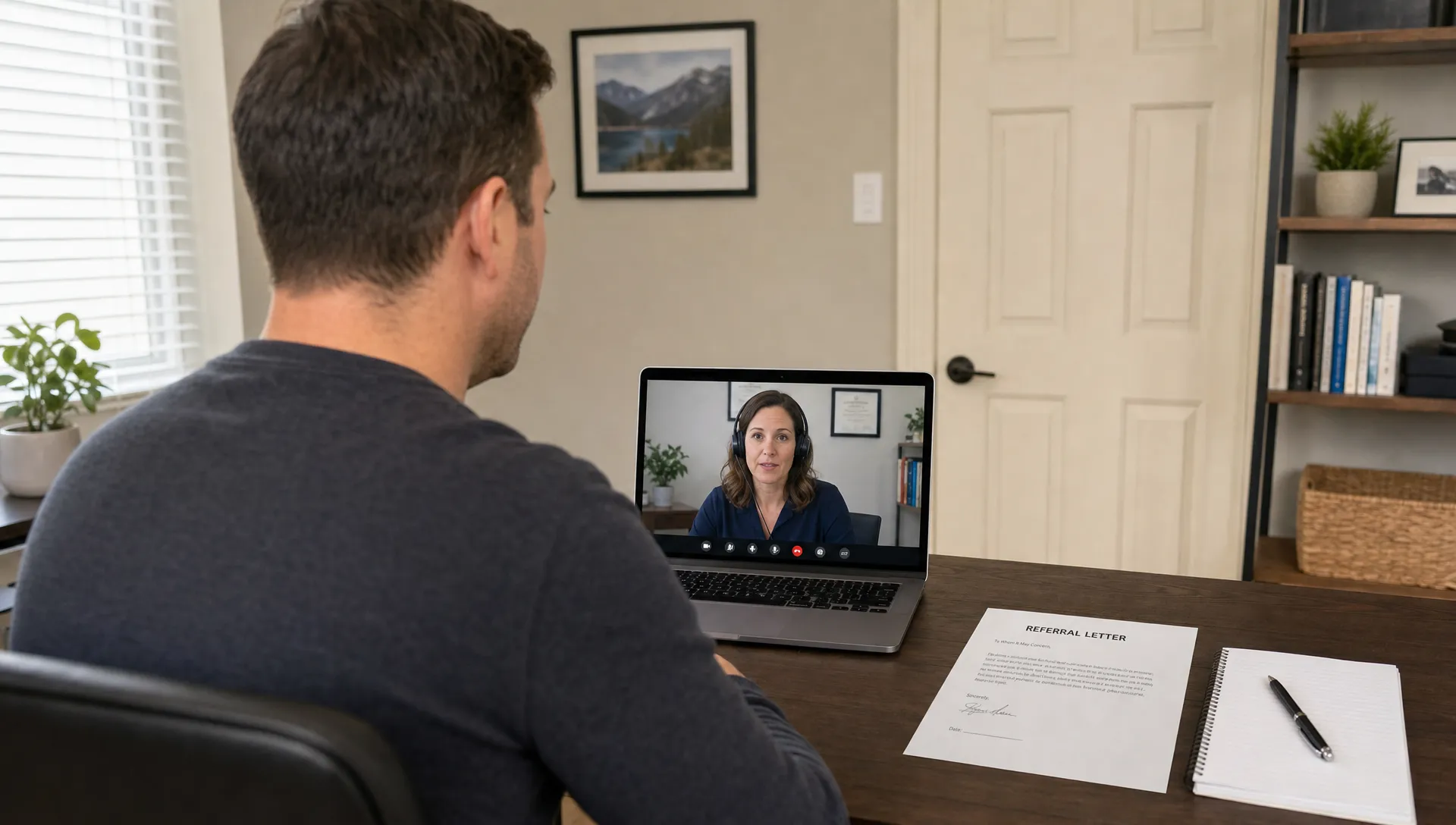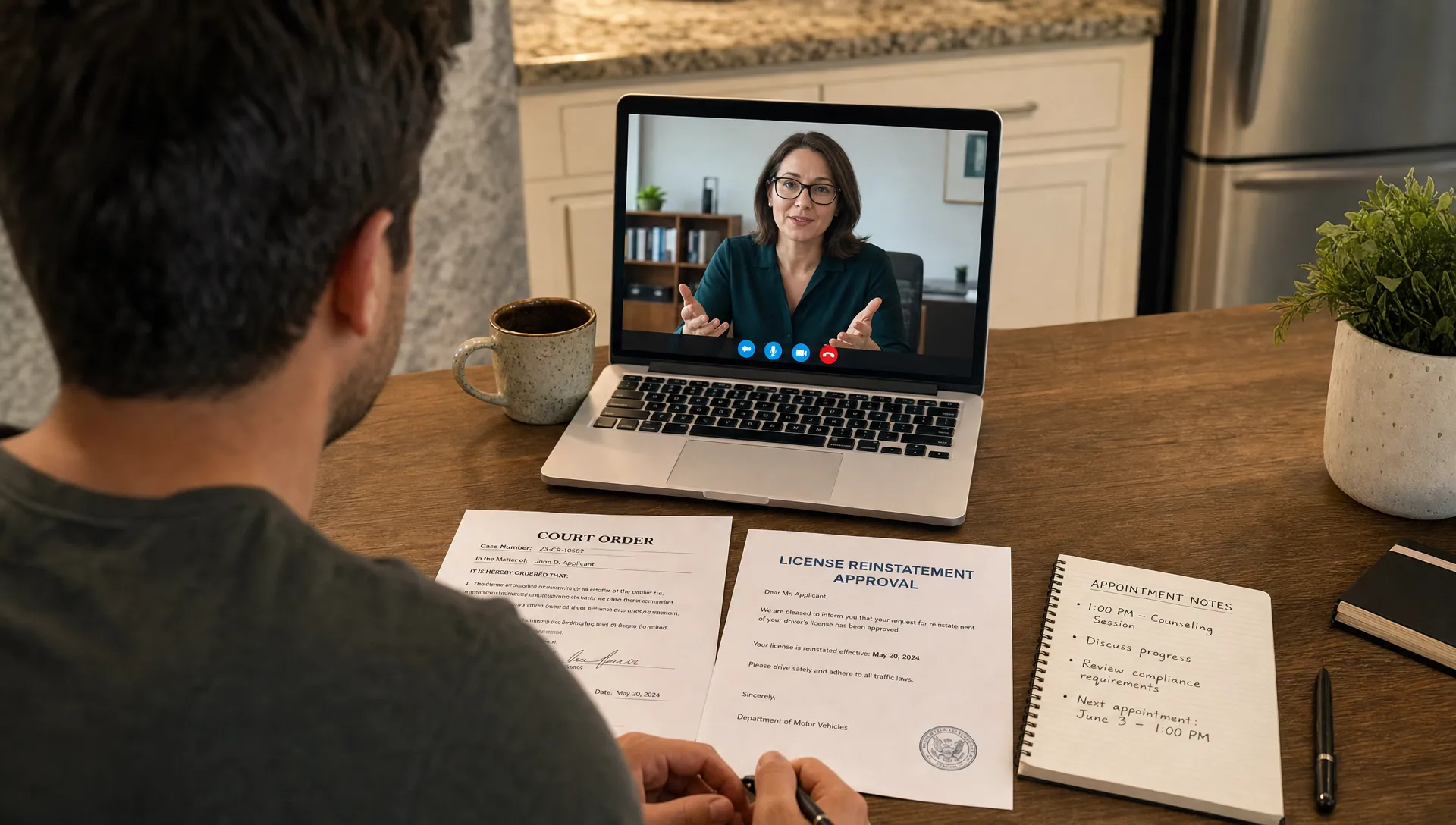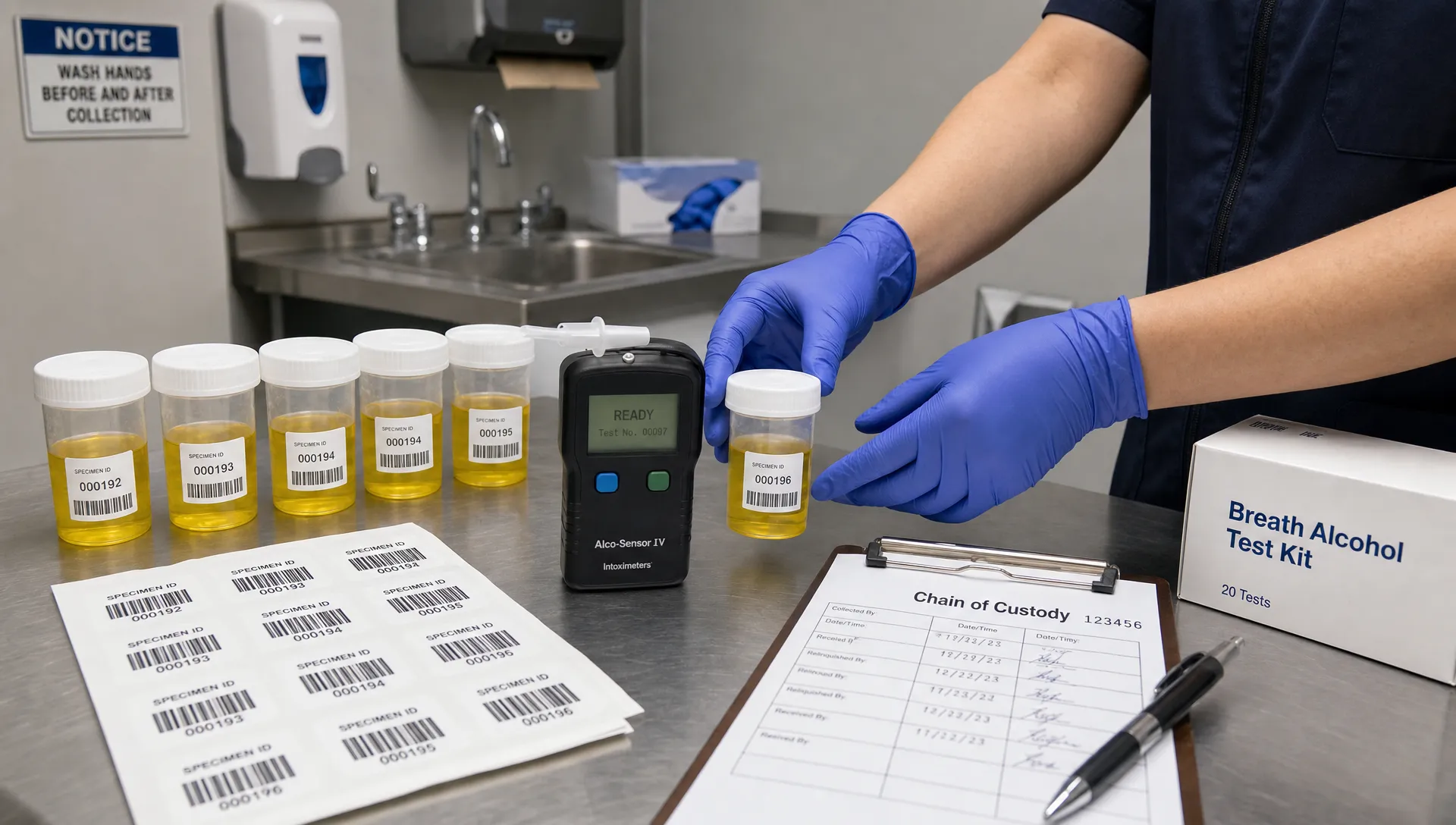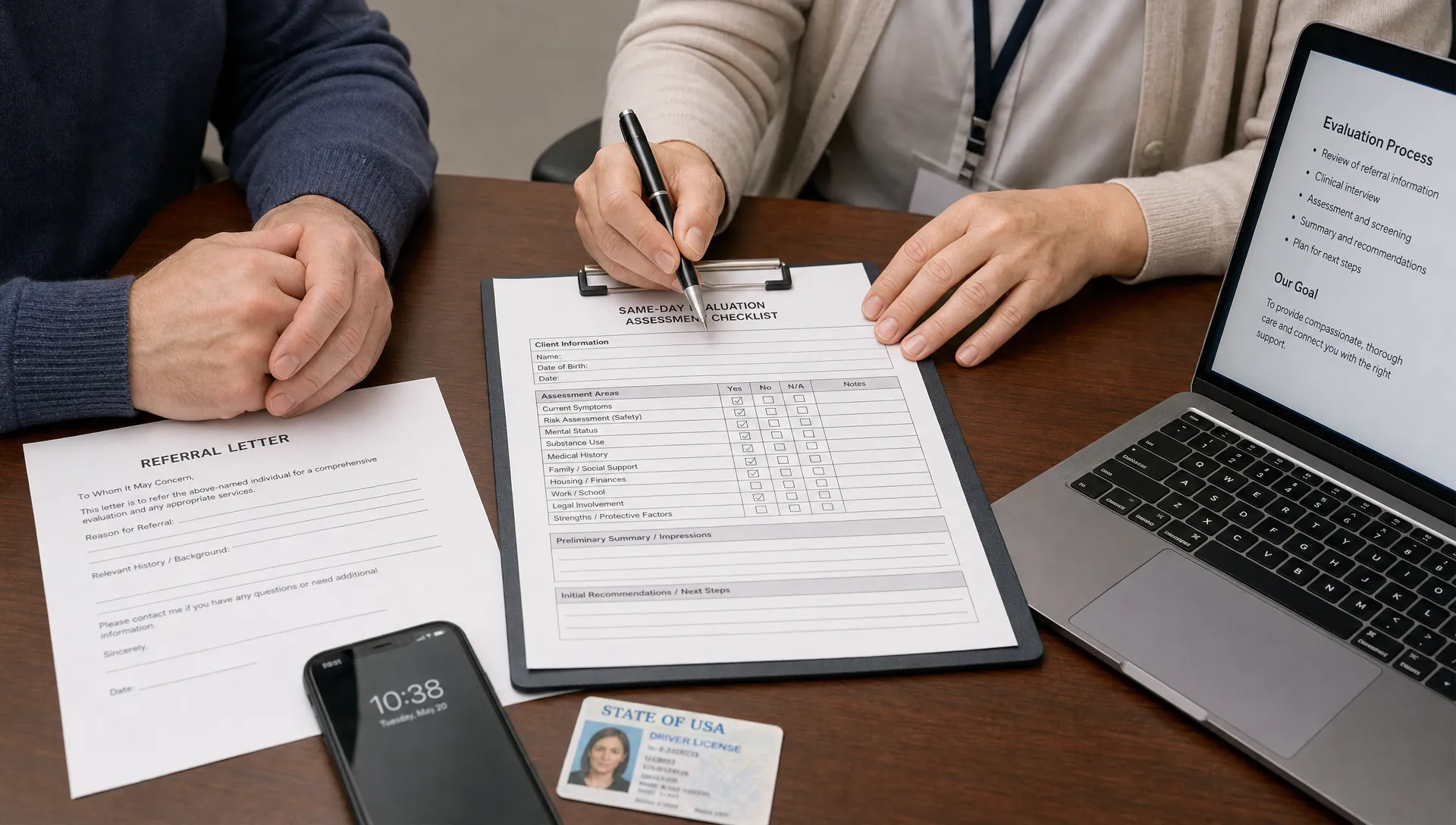
Insurance may cover alcohol screening services, particularly when they are provided as preventive healthcare. But a court-ordered evaluation, DUI assessment or DOT Substance Abuse Professional (SAP) evaluation is not automatically covered just because it addresses alcohol use.
The distinction matters before you schedule. A brief screening during a primary care appointment and a detailed evaluation that produces a compliance report can have different billing rules, even when some of the questions overlap. Coverage depends on your plan, the provider, the purpose of the appointment and the services actually billed.
There are also two separate questions to answer: Will insurance pay, and will the organization requesting the evaluation accept the provider’s report? Approval from your insurer does not establish acceptance by a court, licensing agency or employer. Likewise, an evaluator’s ability to prepare an acceptable report does not mean your health plan will reimburse the fee.
Here is how to check both requirements and understand your likely costs before booking.
When does insurance cover alcohol screening services?
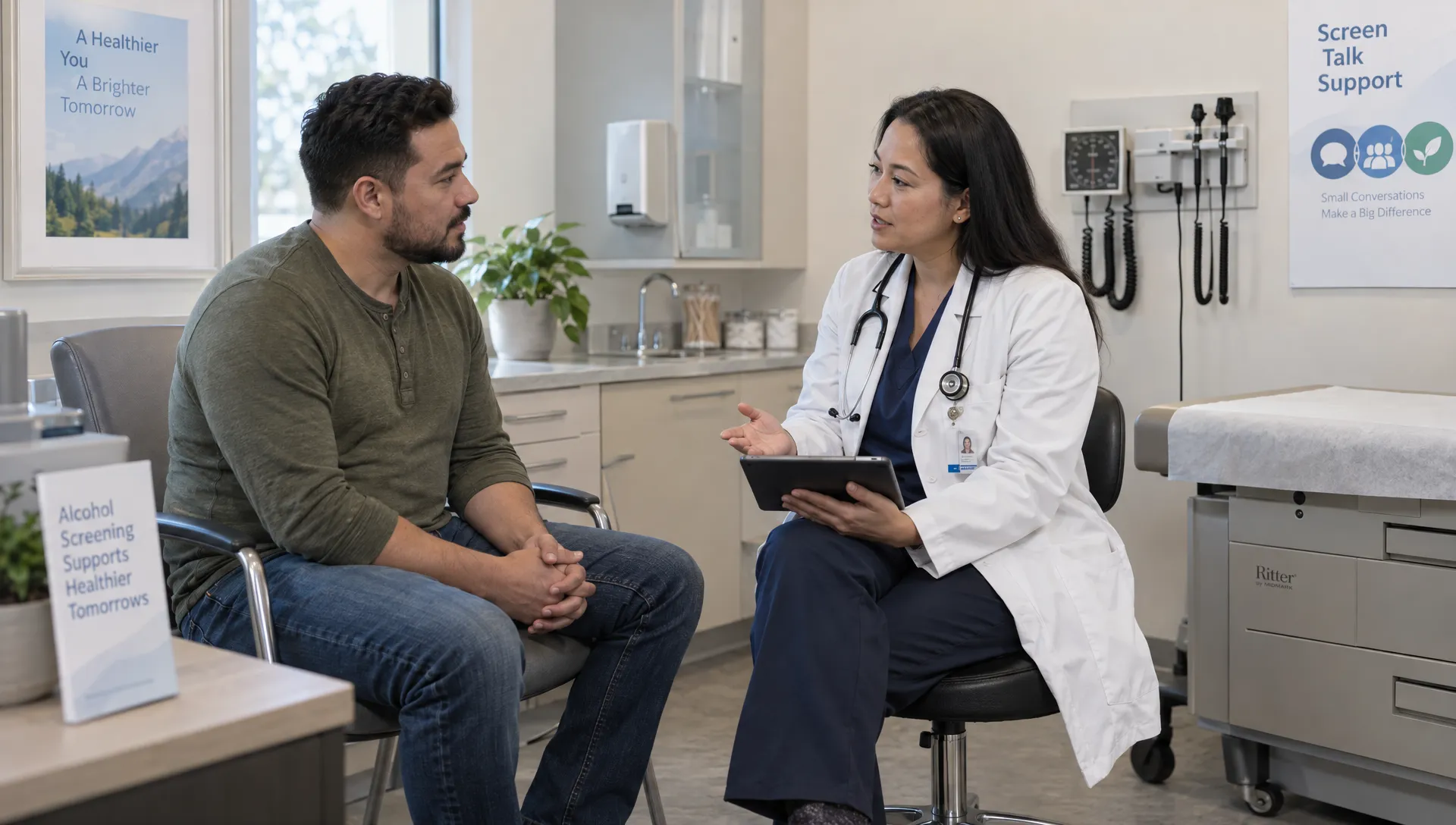
Insurance is most likely to cover a screening when its purpose is to identify unhealthy drinking or guide medical care. A clinician may ask about drinking frequency, typical amounts and alcohol-related consequences, sometimes using a standardized questionnaire such as AUDIT-C.
HealthCare.gov lists alcohol misuse screening and counseling among preventive services covered by most health plans. For eligible services under applicable preventive-care rules, coverage generally comes without a copayment, coinsurance or deductible when you use an in-network provider.
That does not make every alcohol-related appointment free. A diagnostic assessment, separate office visit, laboratory test or written report may have different coverage and cost-sharing rules.
| Type of service | Main purpose | What to verify with insurance |
|---|---|---|
| Preventive screening | Identify unhealthy alcohol use before a known problem requires evaluation | Eligibility, network status and preventive billing rules |
| Diagnostic assessment | Evaluate symptoms or a suspected alcohol use disorder | Medical necessity, benefits, deductible and authorization requirements |
| Court, DUI or licensing evaluation | Answer a legal or administrative requirement | Whether the evaluation and required report are covered at all |
| DOT SAP evaluation | Address a DOT drug or alcohol testing violation | Whether any benefit applies to this specialized compliance service |
For more detail about the clinical distinction, see how a brief screening differs from a comprehensive alcohol assessment. The appointment name alone is not enough to determine benefits.
What different health plans may cover
Coverage for alcohol screening services varies by plan type. Start with your specific benefits rather than assuming that another person’s experience applies to you.
Employer-sponsored and individual plans
Most non-grandfathered plans must cover applicable preventive services without cost sharing when the requirements are met. However, a visit prompted by symptoms or an existing condition may involve diagnostic care rather than preventive screening alone.
If a clinician recommends further evaluation or treatment, ask about your behavioral health benefits. The plan may use a separate network or administrator for those services. Coverage for treatment does not necessarily include paperwork prepared primarily for a court or employer.
Medicare
Medicare Part B covers an annual alcohol misuse screening for eligible adults who use alcohol but do not meet the medical criteria for alcohol dependency. Eligible patients may also receive up to four brief counseling sessions per year in a primary care setting when the coverage conditions are met.
For the covered preventive service, you pay nothing if the provider accepts assignment. Additional services during the appointment can generate separate charges. If you have Medicare Advantage, check the plan’s network and billing requirements before scheduling.
Medicaid
Medicaid coverage depends on your state, eligibility category and, where applicable, managed care plan. Ask member services about preventive screening, diagnostic substance use assessments and telehealth separately.
Do not assume that coverage for substance use treatment includes a DUI or licensing report. Confirm whether the specific provider participates in your plan and whether the requested evaluation requires authorization or a referral.
Court, DUI and DOT evaluations need a separate coverage check
For legally required alcohol screening services, the key issue is often the appointment’s purpose. An insurer may cover medically necessary assessment or treatment while excluding services performed primarily to satisfy an administrative requirement.
A court order does not, by itself, create insurance coverage. It also does not necessarily rule out coverage when a service independently meets the plan’s medical-necessity and benefit requirements. The insurer must evaluate the actual service under your policy.
DUI and driver’s license cases may require an approved evaluator, specific documentation or submission through a designated process. Before paying, ask the requesting authority whether it accepts the provider, evaluation format and report. State-specific requirements matter, including for Arizona DUI-related screenings and assessments.
DOT SAP evaluations are another distinct service. They are part of a regulated return-to-duty process, not routine preventive screening. Ask whether your employer, an employee assistance program or another arrangement provides financial assistance, but do not assume employer payment is available.
If your requirement comes from a judge or probation officer, the guide to court-ordered alcohol and drug evaluations explains the evaluation’s role. Insurance verification remains a separate step.
How to verify benefits before you book
Before booking alcohol screening services, get enough detail from the provider for your insurer to identify the appointment accurately. Asking only, “Does my plan cover alcohol screening?” can produce an answer about preventive care when you actually need a legal evaluation.
Get the service details from the provider
Ask for the exact service name, the evaluator’s credentials and network status. If insurance billing is available, request the anticipated billing codes and the provider identifiers your insurer needs to check benefits.
Also confirm whether the quoted fee includes the interview, records review and written report. Ask whether laboratory testing, rush processing or additional forms would cost extra. A provider should describe and code the service accurately, not change its purpose simply to obtain coverage.
Ask your insurer about the specific appointment
Use a direct description: “I need an alcohol evaluation for a court requirement, including a written report. Is this service covered with this provider?” If the appointment is for medical care instead, explain that purpose accurately.
Useful follow-up questions include:
- Is this provider in network for this specific service?
- Does the appointment require a referral or prior authorization?
- What deductible, copayment or coinsurance would apply?
- Are report preparation and administrative charges excluded?
- If I pay upfront, can I submit an out-of-network claim, and what documentation is required?
Record the representative’s name, call date and reference number. Request written benefit information when available. A benefits quote is useful, but it is not a guarantee of payment; the final decision depends on the claim and plan terms.
What will you pay if insurance does not cover it?
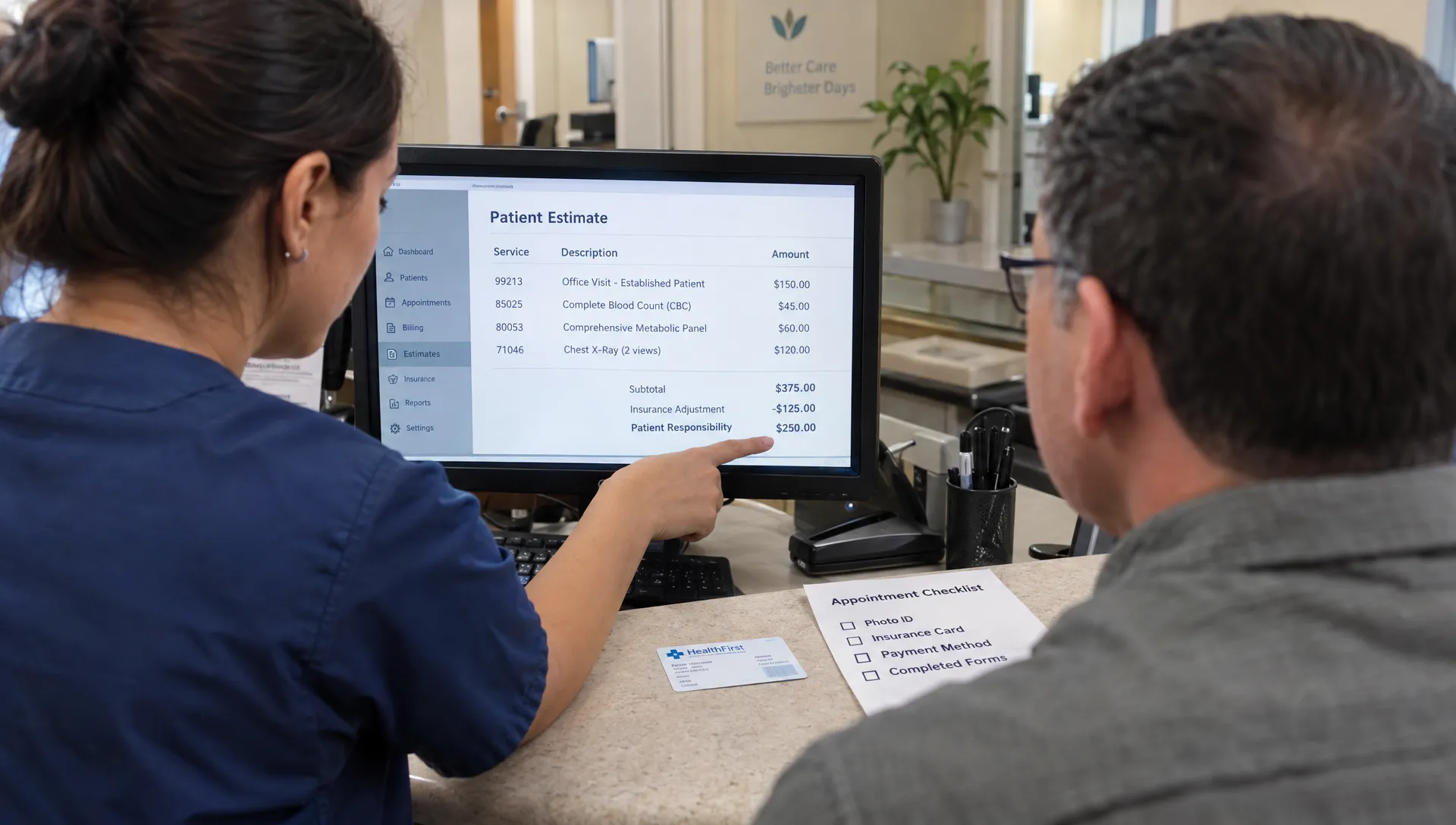
There is no single national fee for an alcohol screening or evaluation. An eligible preventive screening may have no patient cost, while a comprehensive self-pay evaluation can carry a separate fee based on its scope and reporting requirements.
Compare the total cost of the required service, not just the advertised appointment price. Ask whether the estimate includes the final report, delivery to the requesting organization and any required follow-up. Treatment, classes, testing and later evaluations may be separate expenses.
If you have out-of-network benefits, ask whether the provider can supply an itemized receipt or superbill containing the information your insurer requires. A superbill supports a claim; it does not establish that the service is covered or guarantee reimbursement.
For self-pay alcohol screening services, payment plans or employer assistance may help if available. Charges excluded by your plan generally do not count toward its deductible or out-of-pocket maximum, so check before treating the expense as part of your annual covered healthcare spending.
What to do if your claim is denied
Start with the explanation of benefits, often called an EOB. It should identify the billed service, the plan’s payment decision and the reason for any denial. An EOB is not itself a bill.
A denial for missing information may be fixable through a corrected claim or additional documentation. If the issue is medical necessity, ask the clinician whether the records support an appeal. If the plan excludes administrative evaluations, ask the insurer to identify the applicable policy provision.
For alcohol screening services that should qualify as covered preventive care, ask the provider’s billing office and insurer to review whether the service was processed correctly. Do not assume that an unexpected charge is automatically valid or automatically an error.
Follow the appeal instructions and deadlines in your plan documents. If you also have a court or licensing deadline, contact the requesting authority promptly rather than assuming an insurance dispute will extend it.
Frequently asked questions
Can online appointments be covered by insurance? Yes, some plans cover preventive screening or diagnostic assessment through telehealth. Coverage depends on the service, provider, network and plan rules. Ask specifically about the appointment you need, especially if it includes a legal or compliance report.
Does insurance cover a court-ordered alcohol evaluation? Sometimes, but a court order does not guarantee benefits. A plan may cover qualifying clinical care while excluding the administrative evaluation or report. Get a service-specific answer before paying.
Are alcohol screening services always free under preventive-care rules? No. No-cost coverage applies only when the service meets the relevant preventive-care requirements. A comprehensive assessment, out-of-network visit or separately billed service may involve charges or fall outside coverage.
Can I use an insurance-covered screening instead of a DUI assessment? Only if the requesting authority confirms that it meets the requirement. A brief medical screening usually does not provide the same information or documentation as a formal DUI evaluation.
Should I wait for reimbursement before completing a required evaluation? Do not assume reimbursement will arrive before your deadline. Ask the insurer about processing times and the provider about payment arrangements. Contact the requesting authority if timing becomes a problem.
Confirm coverage and report requirements before scheduling
The safest approach is to verify insurance benefits and report acceptance separately, then request a complete fee estimate.
Affordable Evaluations provides nationwide telehealth evaluations for court, probation, driver’s license reinstatement and DOT SAP needs. If you need a formal assessment, review its online alcohol and drug evaluation service and ask about current fees, payment plans and available billing documentation. Confirm any insurance arrangements directly before booking, and check that the service meets the requirements of the organization requesting your report.