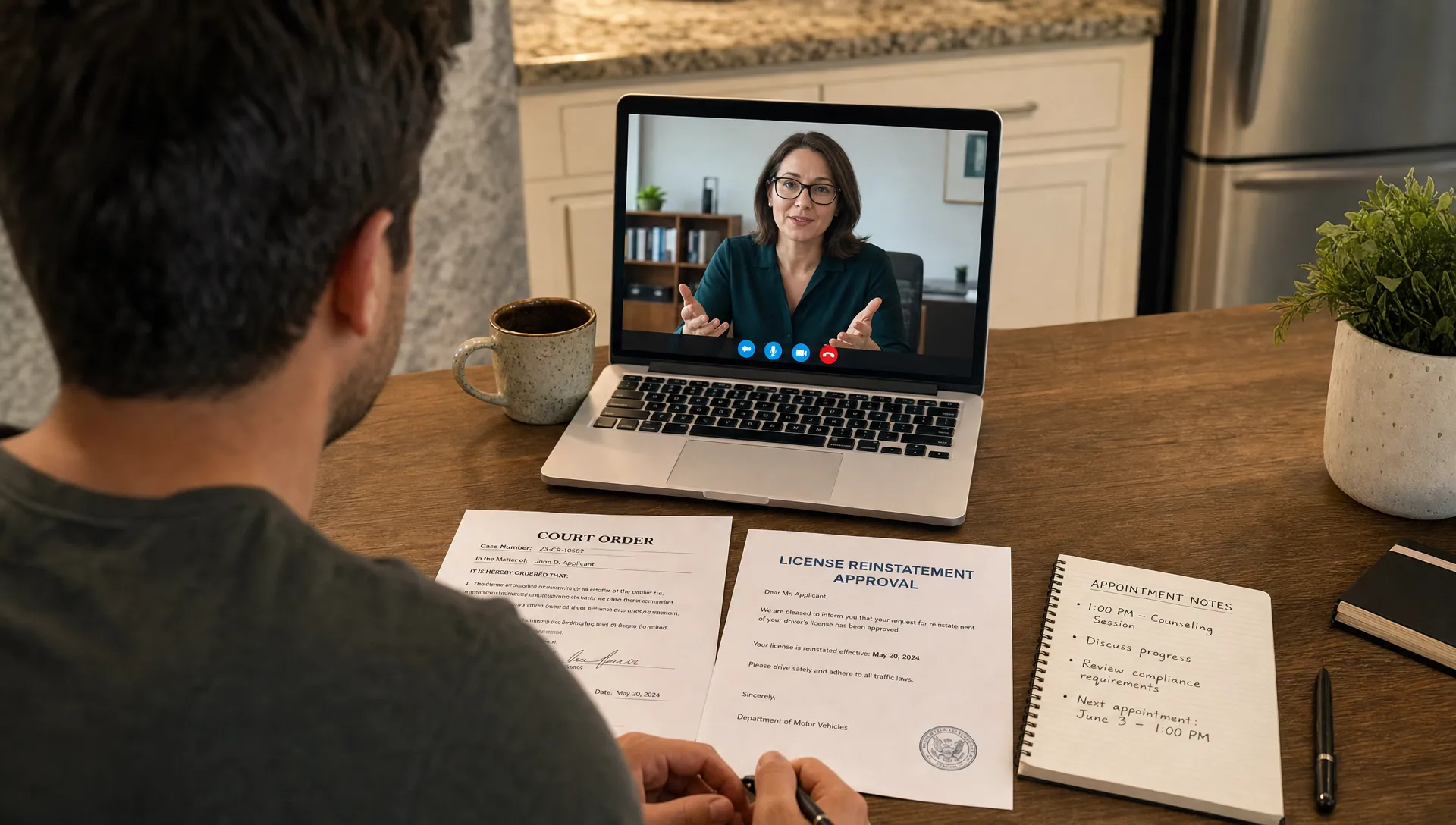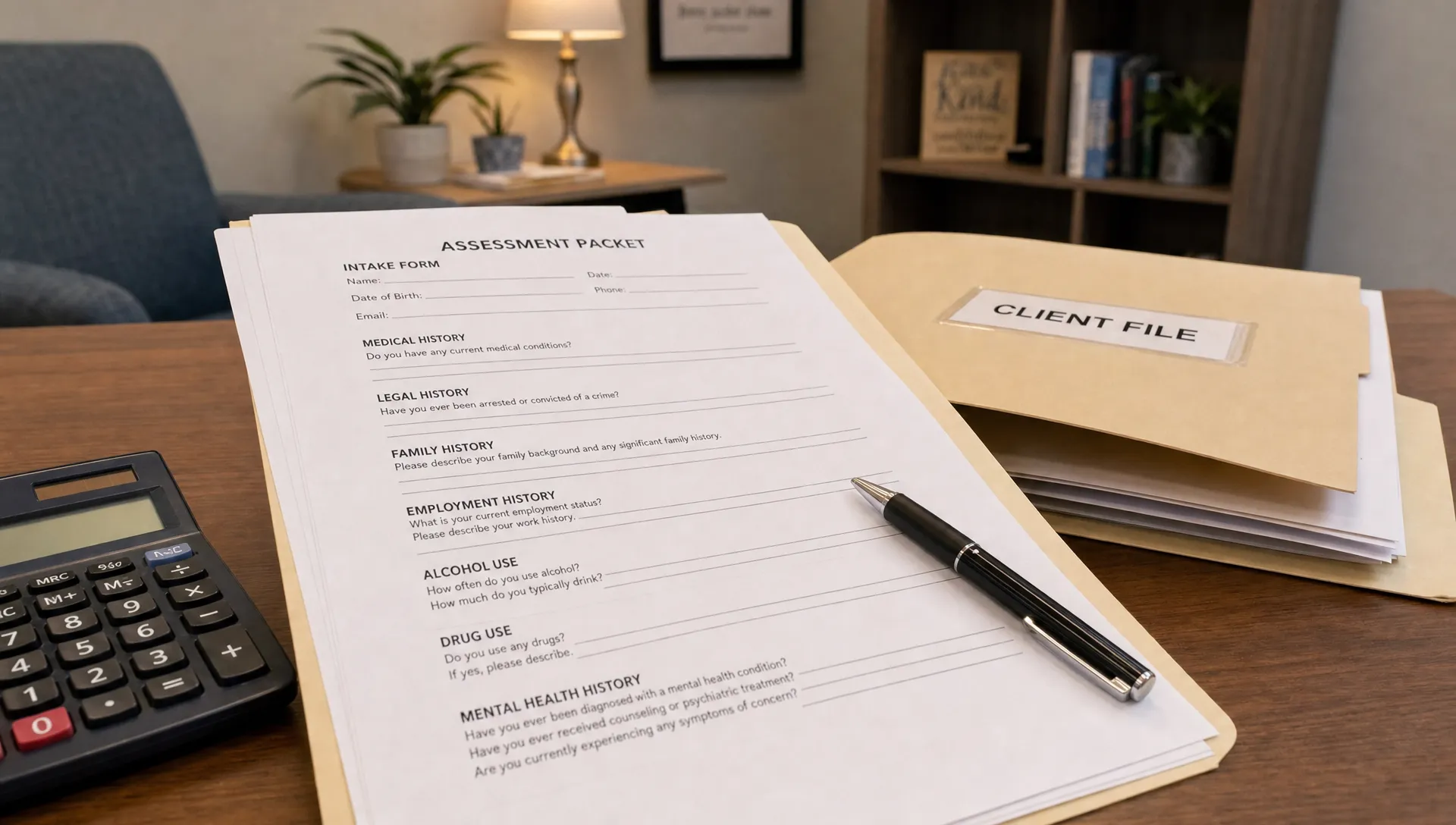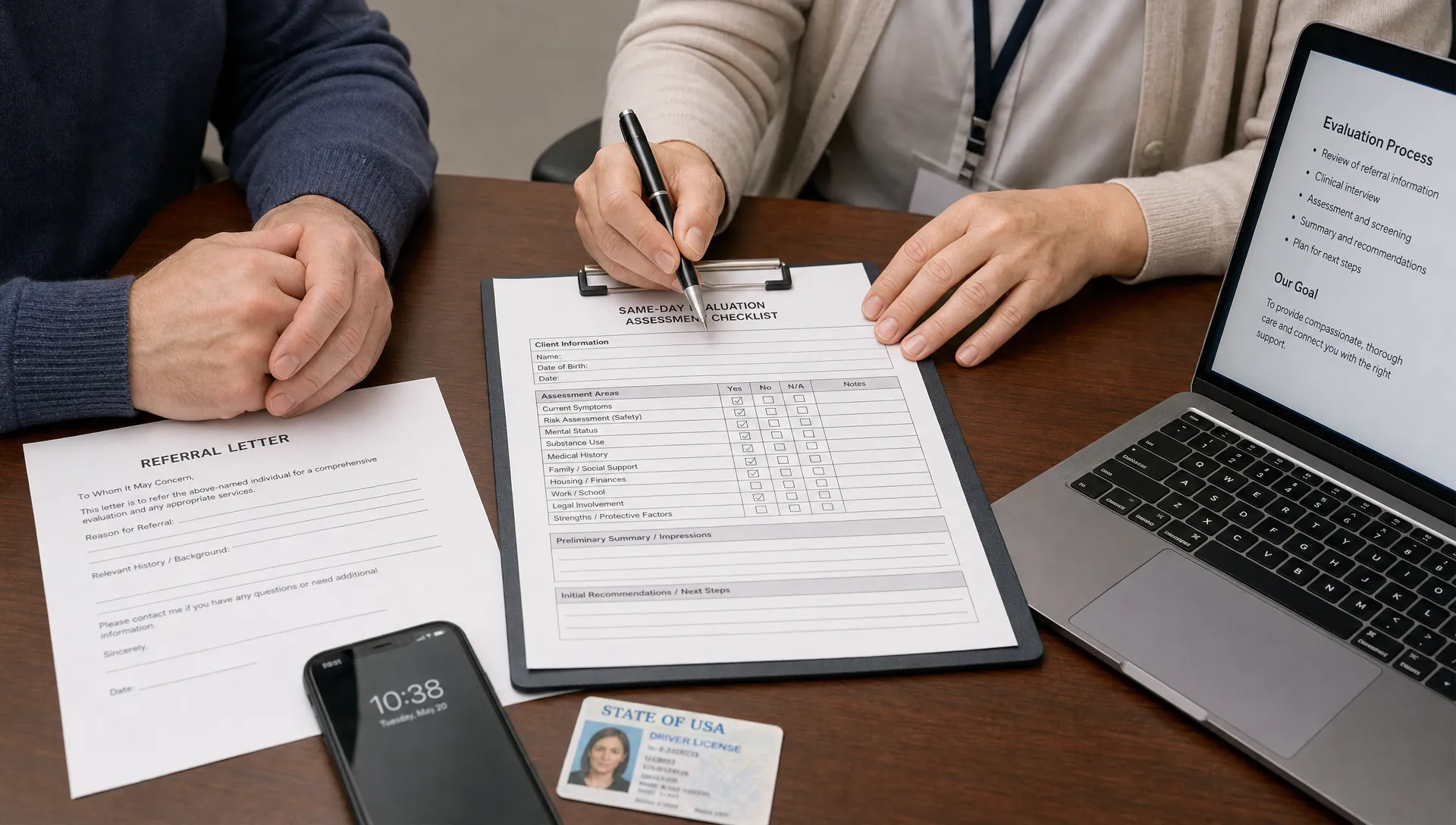
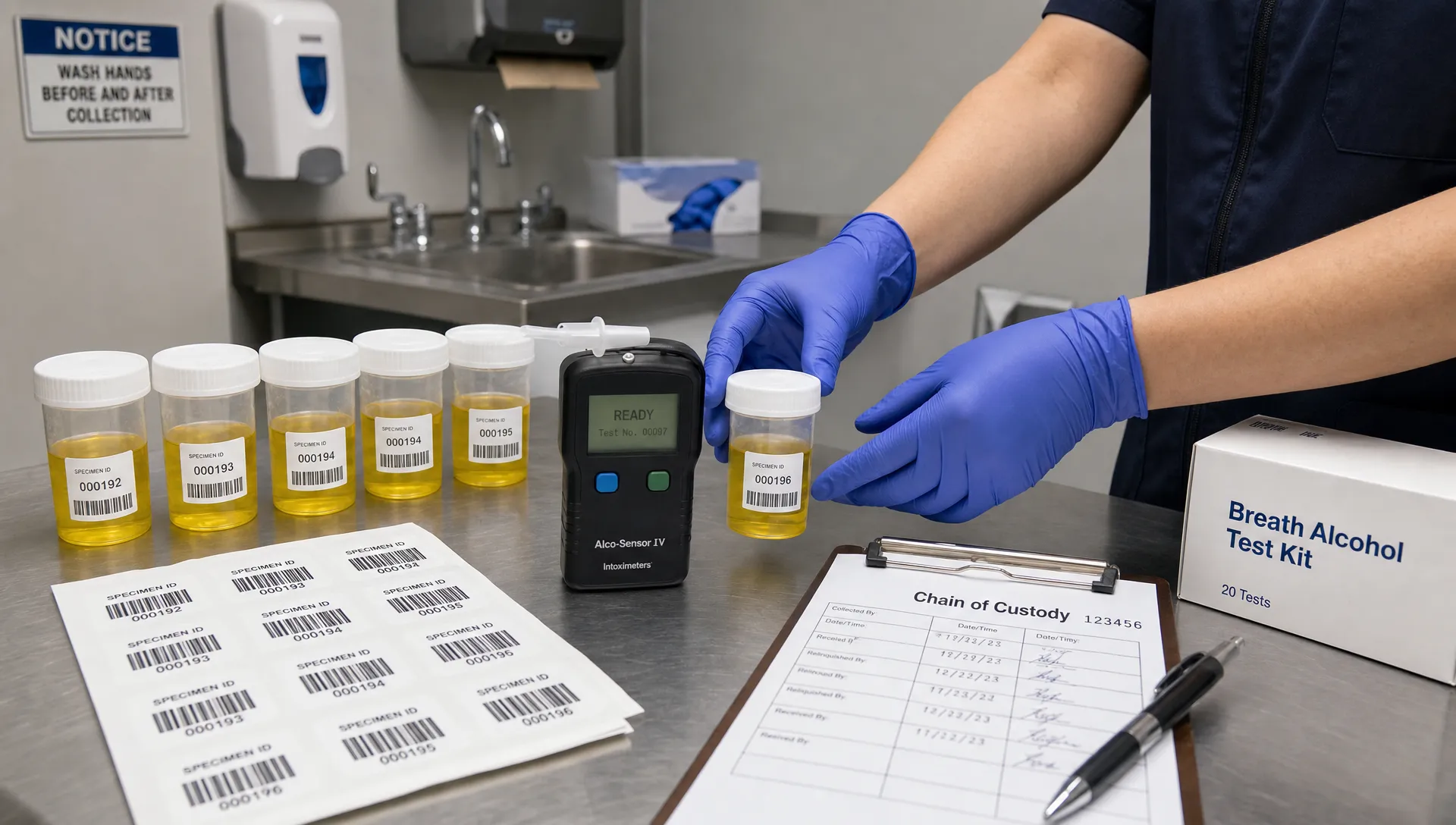
If you have been asked to take an alcohol and drug test, the request can feel bigger than a routine lab appointment. A result may affect a job, a CDL, probation, a court deadline or a driver’s license reinstatement case. The clearest way to reduce stress is to understand what the test can measure, how long different substances may be detectable and what the result language actually means.
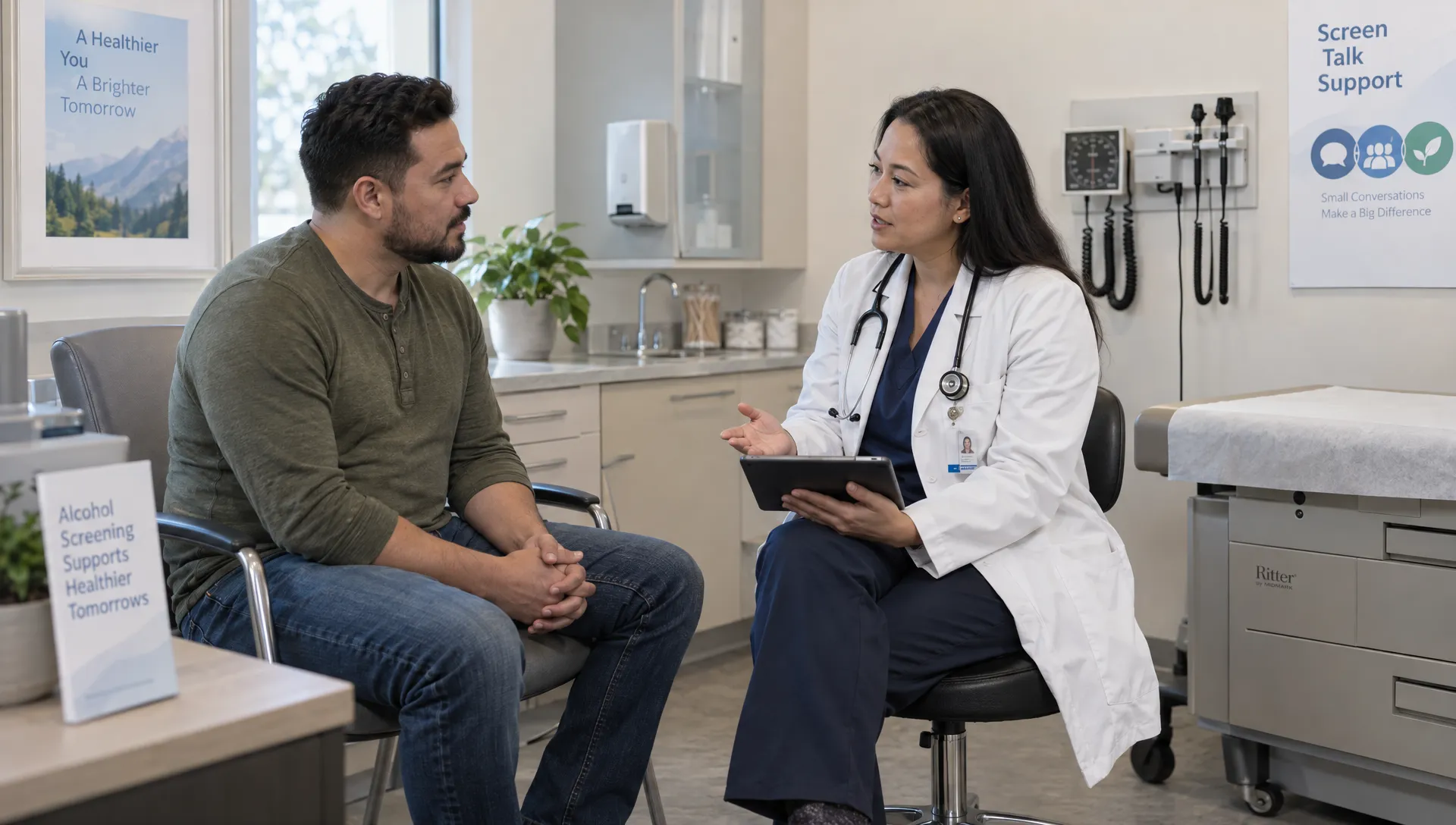
Testing is only one piece of the compliance picture. In many legal, DOT or licensing situations, a test result may be reviewed alongside a professional substance use evaluation, documentation and follow-up recommendations. This guide explains the testing side so you can make sense of the process before, during and after collection.
Alcohol and drug test types: what they measure
The type of test used depends on the question being asked. A breath test answers a very different question from a urine drug screen. Hair testing may look farther back, but it is not the right tool for every legal or workplace requirement.
Most programs choose a test based on three practical issues: how recently use may have occurred, which substances need to be detected and whether the test is allowed under the rule or court order involved. A workplace policy, DOT regulation, probation condition or treatment plan may specify the exact method.
Screening tests vs confirmatory tests
A screening test is the first pass. It is designed to identify whether a specimen may contain a substance or substance metabolite above a set cutoff. Urine drug screens commonly use immunoassay technology at this stage because it can process samples efficiently.
A properly run alcohol and drug test does not usually stop at a non-negative screening result. For many workplace and legal programs, a presumptive positive is sent for confirmatory testing using more specific laboratory methods such as GC-MS or LC-MS/MS. Those confirmation methods help distinguish a true positive from a screening reaction that should not be treated as final.
For regulated workplace testing, collection procedures, lab certification, cutoff levels and review steps matter. The U.S. Department of Transportation Part 40 rules are the central reference for DOT drug and alcohol testing procedures.
Common specimen types
Each specimen type has strengths and limitations. The best choice is not always the one with the longest detection window. It is the one that fits the purpose of the test and the authority requiring it.
| Test type | Often used for | What it can show | Key limitation |
|---|---|---|---|
| Breath alcohol | Workplace, DOT, law enforcement or immediate alcohol screening | Current alcohol concentration at the time of testing | Short detection window |
| Urine drug screen | DOT, employment, probation and many court programs | Recent use through drug metabolites | Does not prove current impairment |
| Oral fluid | Recent drug use in observed collections | Shorter window than urine for many substances | Availability depends on program rules |
| Blood | Medical, crash investigation or legal settings | Active substances or alcohol concentration | More invasive and time-sensitive |
| Hair | Some employment or monitoring programs | Longer-term pattern of exposure | Not ideal for very recent use |
| EtG or EtS urine alcohol test | Alcohol abstinence monitoring | Recent alcohol exposure beyond breath testing | Can be sensitive to timing and cutoff choices |
No alcohol and drug test can prove lifetime sobriety or diagnose a substance use disorder by itself. Testing provides biological evidence from one specimen collected at one point in time. A clinical evaluator, court, employer or licensing agency may use that evidence along with other information.
When testing happens and why timing matters
Timing affects both fairness and interpretation. A test collected too late may miss short-lived substances. A test collected soon after an event may detect alcohol that would not be present the next day. Courts and employers often set testing windows because delay can change what the result is able to show.
For any alcohol and drug test, the detection window depends on the substance, dose, frequency of use, specimen type, metabolism, hydration, body composition and the laboratory cutoff used. Online charts can be useful for general orientation, but they should not be treated as a guarantee for any individual case.
General detection windows by substance and specimen
The ranges below are broad educational estimates. Real-world results vary, and the testing authority’s cutoff levels control whether a substance is reported.
| Substance or marker | Breath or blood | Urine | Oral fluid | Hair |
|---|---|---|---|---|
| Alcohol | Usually hours | EtG or EtS may detect recent use for 1 to 3 days in many cases | Usually hours | Not a standard tool for recent alcohol use |
| Cannabis | Blood may detect recent active THC | Days to weeks, longer with frequent use | Often shorter than urine | Often up to about 90 days |
| Cocaine | Usually short | Often 1 to 3 days, sometimes longer | Often 1 to 2 days | Often up to about 90 days |
| Amphetamines | Usually short | Often 1 to 3 days | Often 1 to 2 days | Often up to about 90 days |
| Opioids | Usually short | Often 1 to 3 days, depending on drug | Often 1 to 2 days | Often up to about 90 days |
| Benzodiazepines | Variable | Days to weeks, depending on medication | Variable | Often up to about 90 days |
An alcohol and drug test with a longer lookback period is not automatically more accurate for every purpose. Hair may help identify a longer pattern, but it is usually poor at identifying very recent use. Breath alcohol testing is excellent for current alcohol concentration, but it cannot tell what happened days earlier.

How results are reported and reviewed
Result wording can be confusing because not every non-negative or unusual result means the same thing. A report may say negative, positive, confirmed positive, dilute, invalid, canceled, refusal or pending medical review. The consequences depend on the program rules.
An alcohol and drug test result is only useful when it is interpreted in the correct context. The same laboratory finding may have different consequences in a DOT case, a probation case, a custody case or a private employer policy.
Negative, positive and confirmed positive
A negative result usually means the lab did not detect the tested substance above the reporting cutoff in that specimen. It does not necessarily mean a person has never used a substance. It means the test did not produce a reportable positive under the method and cutoff used.
A positive result means a substance or metabolite was detected above the cutoff. In many workplace settings, the result is not treated as final until confirmatory testing and medical review are complete. A Medical Review Officer, often called an MRO, may contact the donor to determine whether a legitimate medical explanation exists for a confirmed lab finding.
Alcohol results are often reported as a concentration. In DOT testing, an alcohol concentration of 0.04 or higher is a violation that requires the return-to-duty process before the person can resume safety-sensitive work. A result of 0.02 or higher but below 0.04 also has work restrictions under DOT rules, even though it is handled differently from a 0.04 or higher violation.
Dilute, invalid, canceled and refusal results
A dilute result means the urine specimen had lower concentration markers than expected. A negative dilute is not the same as a positive, but an employer, court or probation office may require a repeat test depending on policy. A positive dilute is still a positive if the confirmed substance result is reportable.
Invalid or canceled results usually mean the lab or review process could not produce a reliable positive or negative. This may happen because of specimen issues, collection problems or laboratory findings that do not meet reporting criteria. The next step is often a recollection, but the exact response depends on the rule involved.
For DOT-regulated workers, a refusal to complete an alcohol and drug test can have consequences similar to a positive test. Refusals may include leaving the collection site, failing to provide a required specimen without a valid medical explanation, adulterating or substituting a specimen or refusing a required observed collection.
DOT, court, probation and license reinstatement contexts
The same alcohol and drug test result can trigger different next steps depending on who ordered it. A private employer may follow its workplace policy. A court may look at whether the person complied with an order. A DOT-regulated employer must follow federal rules.
DOT and safety-sensitive work
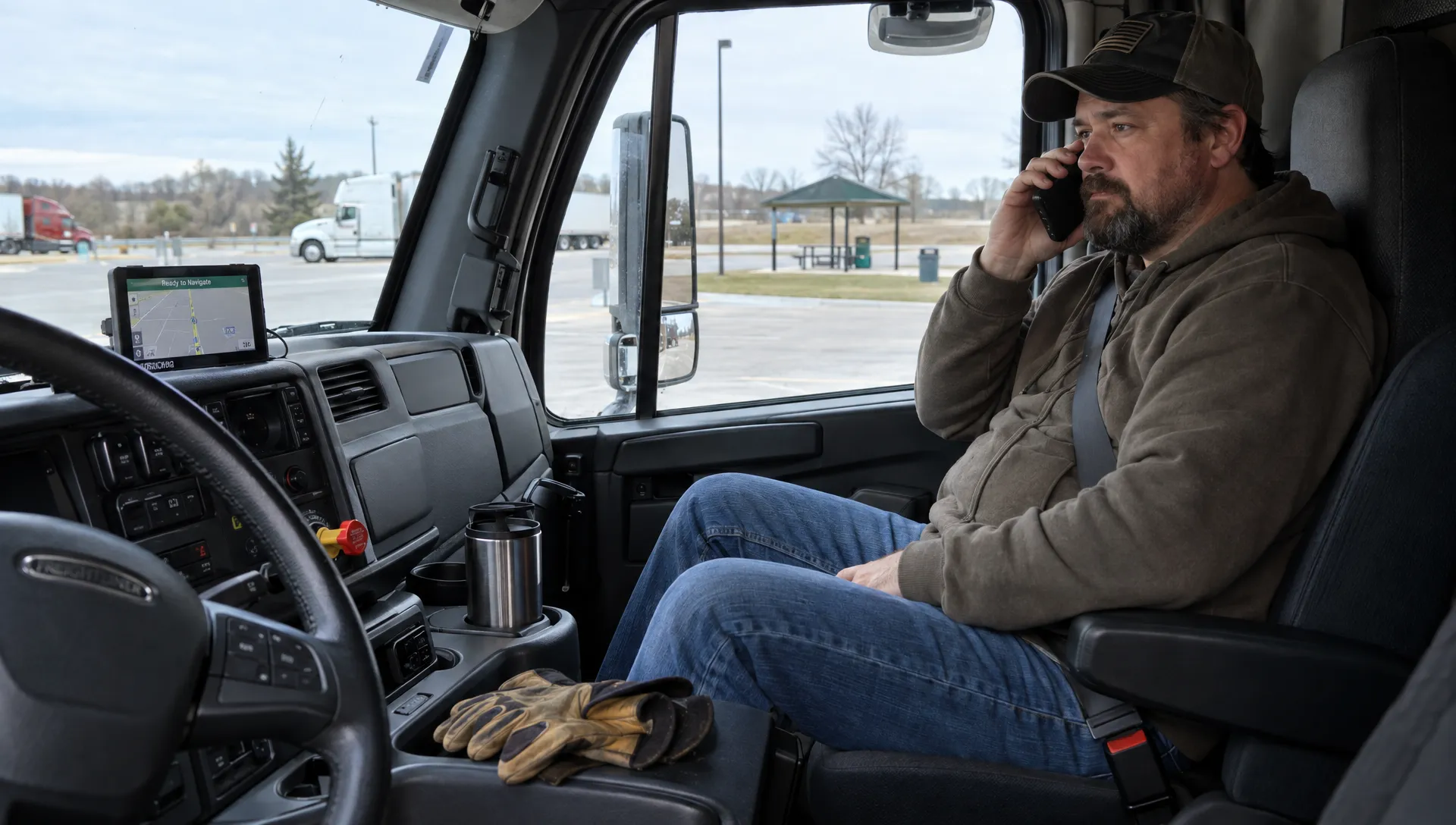
DOT testing applies to safety-sensitive roles covered by agencies such as FMCSA, FAA, FRA, FTA, PHMSA and the U.S. Coast Guard. Commercial drivers subject to FMCSA rules may also have violations reported to the FMCSA Drug and Alcohol Clearinghouse.
After a DOT positive drug test, alcohol violation or refusal, the employee must be immediately removed from safety-sensitive duties. The person cannot return to those duties until completing the Substance Abuse Professional process, including evaluation, education or treatment recommendations, a return-to-duty test and follow-up testing.
If you are dealing with a commercial driving case, Affordable Evaluations has a focused guide to DOT positive test next steps and employer timelines that explains what typically happens right after the result.
Courts, probation and driver’s license cases
Court and probation testing may be scheduled, random or event-based. A judge or probation officer may require testing to monitor abstinence, verify compliance with bond conditions or support a sentencing, diversion or reinstatement decision.
In these settings, testing is often paired with an evaluation. The evaluator may review the test history, offense details, substance use history, treatment history and risk factors. If you need to understand that broader process, this overview of a court-ordered alcohol and drug evaluation explains how reports are commonly used by legal agencies.
A failed or missed test can become a compliance issue quickly. If you have a court deadline or license reinstatement requirement, read the exact order and ask the agency whether it requires a specific provider, test type, report format or submission method.
What to do before and after a test
If an alcohol and drug test is coming up, the best preparation is straightforward: follow the instructions, bring proper identification and disclose prescribed medications only through the correct review channel. Do not try to dilute, substitute or mask a specimen. Those actions can create a refusal or tampering concern even when the original result might have been negative.
Keep records of the date, collection site, ordering agency, confirmation number and any paperwork you receive. If the test is connected to court, probation, DOT return-to-duty or license reinstatement, ask where the report must be sent and whether you need to sign a release.
When a result creates a compliance problem
A positive, refusal, missed test or disputed result should be handled promptly. Deadlines can be short, especially in DOT and court settings. Start by identifying who has authority over the next step: the MRO, employer, probation officer, court clerk, licensing agency or SAP.
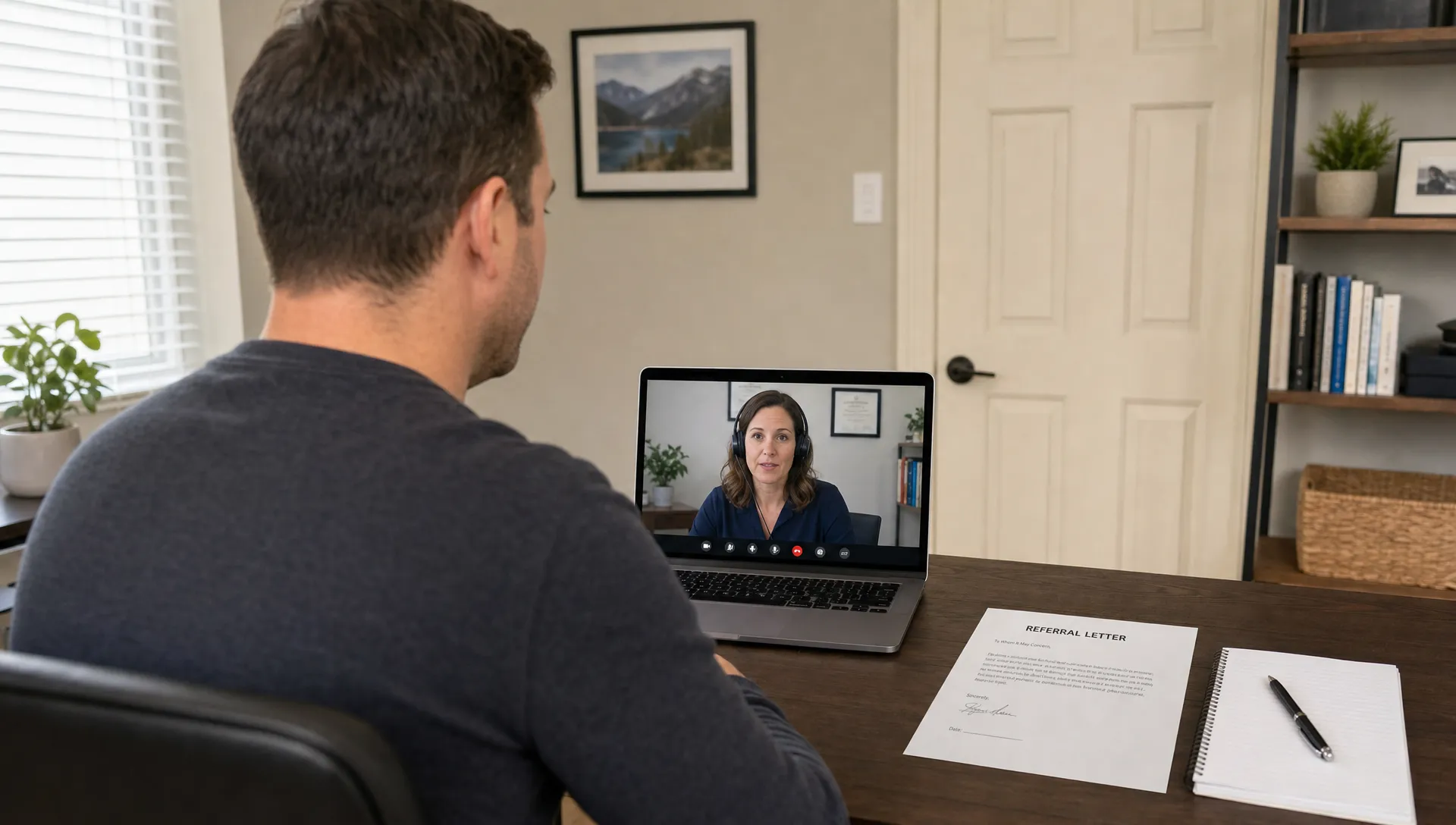
If the next step is an evaluation rather than another lab test, make sure the provider understands your case type. DOT SAP evaluations, court reports, probation reports and driver’s license reinstatement cases are not interchangeable. Affordable Evaluations explains the broader telehealth steps in its guide to the online drug and alcohol evaluation process.
Frequently Asked Questions
Is a drug screen the same as a confirmation test? No. A screen is the first test that identifies possible substance presence. A confirmation test uses more specific laboratory methods to verify whether a substance is reportable above the cutoff.
Can a negative result prove I was sober? A negative result means the tested substance was not detected above the cutoff in that specimen. It does not prove lifelong abstinence or rule out use outside the detection window.
How long does alcohol stay detectable? Breath and blood alcohol tests usually detect current or very recent alcohol. Urine EtG or EtS testing may detect recent alcohol exposure longer, often 1 to 3 days, depending on the situation and cutoff.
What happens after a DOT positive test or refusal? The employee must be removed from safety-sensitive work and complete the DOT SAP return-to-duty process before resuming covered duties. Follow-up testing is also required after return to duty.
Can an evaluation replace an alcohol and drug test? No. An evaluation and a test answer different questions. A test provides biological evidence, while an evaluation assesses history, risk, compliance needs and recommended next steps.
Need an evaluation after a test result?
A failed alcohol and drug test, refusal or court-ordered testing issue can move fast, but you do not have to sort out the evaluation step alone. Affordable Evaluations provides nationwide telehealth alcohol and drug evaluations for DOT SAP, court, probation and driver’s license reinstatement needs, with secure video sessions, licensed certified evaluators and fast PDF report delivery.
If you need help meeting a deadline or understanding which evaluation fits your situation, visit Affordable Evaluations to request an online appointment.