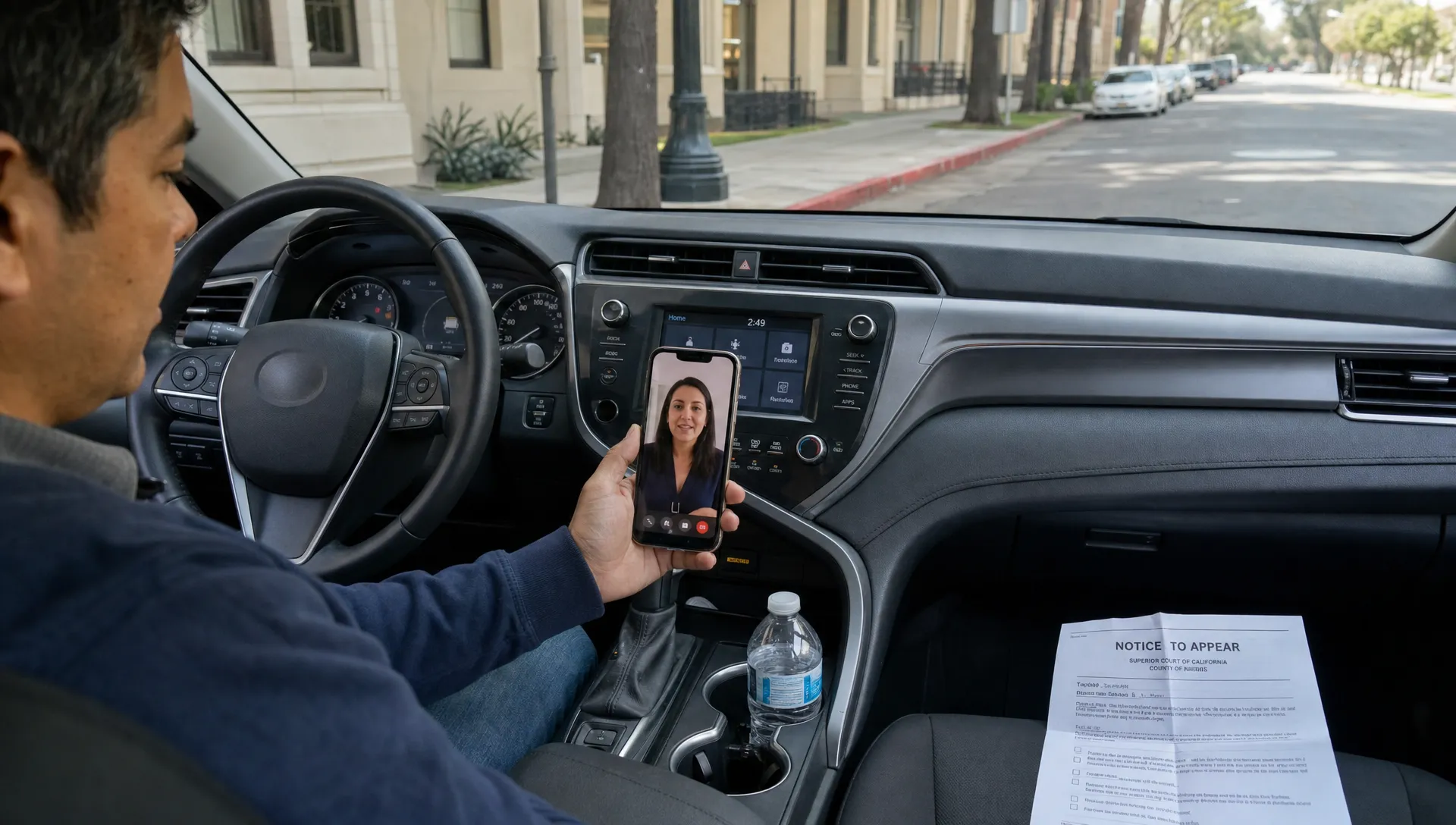

People often use the words “screening” and “assessment” as if they mean the same thing. They do not. An alcohol screening is usually a short first step used to flag possible risk, while an assessment is a more detailed clinical review that may be required for court, probation, employment, DOT compliance or driver’s license reinstatement.
That difference matters because choosing the wrong service can delay your paperwork, create confusion with the agency requesting it or leave you without the documentation you actually need. If a judge, probation officer, employer, licensing authority or DOT representative gave you instructions, the safest first move is to read the exact wording before scheduling anything.
What an alcohol screening is
A screening is a brief set of questions designed to identify whether someone may be drinking in a risky pattern. It is not meant to tell the whole story. It helps decide whether a person should receive education, a brief intervention or a more complete evaluation.
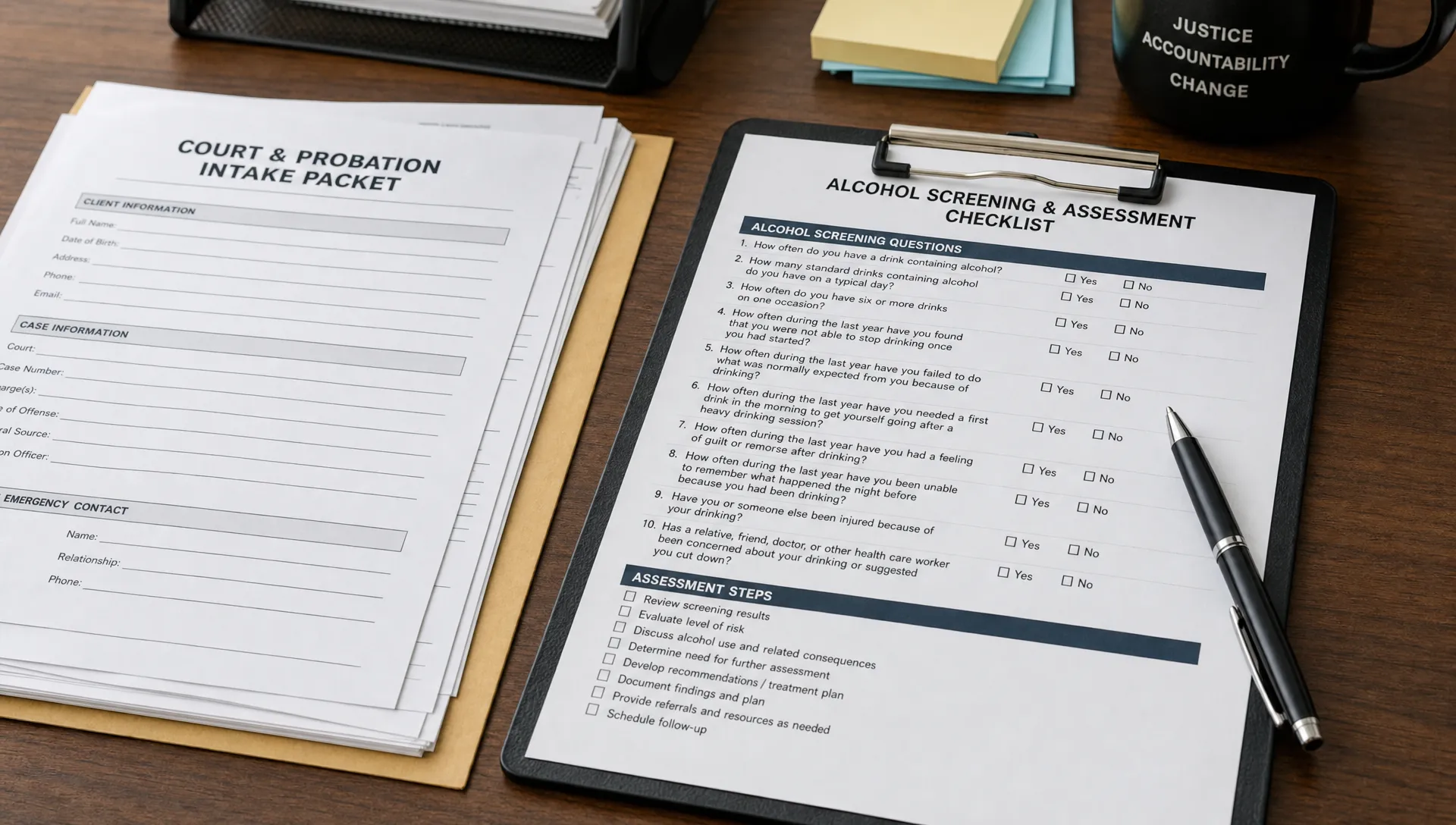
A basic alcohol screening may ask about how often you drink, how many drinks you have on a typical day and whether drinking has caused problems at home, work, school or on the road. Health care providers often use validated tools such as AUDIT, AUDIT-C or CAGE. The National Institute on Alcohol Abuse and Alcoholism describes screening as a way to identify unhealthy alcohol use and guide the next step.
A positive screening does not automatically mean you have alcohol use disorder. It means the answers suggest that more discussion may be appropriate. In the same way, a low-risk result does not erase a legal requirement if a court, employer or licensing agency has ordered a full evaluation.
What an alcohol assessment is
An assessment is more comprehensive. Instead of a brief risk check, the evaluator reviews the person’s history, current circumstances, relevant documents and any requirements from the referring authority. The result is often a written report with findings and recommendations.
Unlike an alcohol screening, an assessment may include a structured clinical interview, review of arrest or citation records, prior treatment history, mental health factors, drug use history, relapse risk, testing results if available and readiness for change. Depending on the case, the evaluator may also consider diagnostic criteria and recommend education, counseling, treatment, monitoring or no further services.
Assessments are commonly requested when there are consequences tied to the outcome. Examples include DUI cases, probation compliance, child custody matters, professional licensing issues, DOT violations and license reinstatement. If you were told to complete a substance abuse evaluation, this usually refers to an assessment rather than a quick screen. For a closer look at the broader appointment process, Affordable Evaluations explains what to expect in a substance abuse evaluation.
Screening vs. assessment at a glance
The easiest way to separate an alcohol screening from an assessment is to look at the purpose. Screening answers one narrow question: is there enough concern to look further? Assessment answers a more detailed question: what is happening, what level of risk exists and what recommendations are appropriate?
| Factor | Screening | Assessment |
|---|---|---|
| Main purpose | Identify possible risky alcohol use | Understand severity, context and next steps |
| Typical length | Brief, often minutes | Longer, often a full appointment |
| Tools used | Short questionnaires such as AUDIT-C or CAGE | Clinical interview, records review and standardized measures when appropriate |
| Outcome | Risk level or referral recommendation | Written findings and recommendations |
| Common use | Health care checkups, workplace wellness, early intervention | Court, probation, DOT SAP, licensing and treatment planning |
| Can it diagnose? | No, not by itself | May support clinical impressions or diagnosis when within the evaluator’s scope |
| Usually enough for legal paperwork? | Often no, unless specifically requested | Often yes, if completed by a qualified provider and accepted by the referring agency |
Which one do you need?
The right choice depends on who is asking and why. If you are doing this for personal awareness, a primary care visit or an early wellness check, an alcohol screening may be enough to start. If someone else has ordered documentation, assume you may need a full assessment unless the instructions clearly say “screening only.”
When screening may be enough
A screening can be appropriate when there is no court order, no DOT violation and no official report requirement. It may help you decide whether your drinking pattern deserves closer attention. The U.S. Preventive Services Task Force recommends screening adults for unhealthy alcohol use in primary care settings and offering brief counseling when appropriate.
A screening can also be useful before a larger conversation with a counselor, physician or evaluator. It gives structure to what can otherwise feel vague or uncomfortable. Still, it should not be treated as a substitute for required compliance paperwork.
When assessment is the safer choice
An assessment is usually the better fit when you need a report for a specific decision maker. That includes a judge, probation officer, attorney, employer, DOT Substance Abuse Professional, licensing board or motor vehicle agency.
For court cases, the difference is especially important. A judge may not accept a short alcohol screening if the order requires a formal alcohol and drug evaluation. If your paperwork comes from a court or probation department, this guide to court-ordered alcohol and drug evaluations can help you understand how those requirements are commonly framed.
Why the terminology matters for DOT, court and licensing cases
In compliance settings, wording is not just technical. It affects whether the receiving agency can use the report. A brief alcohol screening might show a low-risk result but still fail to satisfy a court order that requires an evaluation with recommendations.
DOT cases are a good example. After a DOT drug or alcohol violation, the return-to-duty process involves a qualified Substance Abuse Professional, commonly called a SAP. The U.S. Department of Transportation outlines this process in 49 CFR Part 40, and it is much more than a brief screen. It includes an initial evaluation, recommendations, compliance steps and a follow-up evaluation before return-to-duty testing.
Driver’s license reinstatement can also require more than a risk check. Some states or agencies want a formal report addressing alcohol or drug history, treatment needs and risk of recurrence. Before scheduling, confirm whether the agency accepts telehealth, whether it requires a specific form and whether the evaluator must meet certain credentials.
What happens during a full alcohol assessment?
A full assessment is not designed to embarrass you or “catch” you saying the wrong thing. A qualified evaluator is trying to understand your situation accurately enough to make fair, practical recommendations.
Compared with alcohol screening, the assessment process usually covers more ground. You may be asked about the incident that led to the referral, your drinking history, other substance use, medical and mental health background, prior treatment, family history, work or school functioning and current support system.
The evaluator may also review documents such as a citation, court order, probation paperwork, employer instructions, prior evaluation, treatment completion letter or driving record. If you have been asked to complete the appointment online, Affordable Evaluations has a separate explanation of the online drug and alcohol evaluation process and how telehealth appointments typically work.
Honesty matters. Minimizing everything can make the report less credible, especially if the evaluator has documents that tell a different story. Overstating problems can also lead to recommendations that do not match your needs. The goal is accuracy.
Common mistakes to avoid
The most common mistake is scheduling the quickest or cheapest option without matching it to the requirement. A short alcohol screening may be useful, but it can create a deadline problem if your paperwork actually asks for an assessment.
Other mistakes include waiting until the day before court, failing to send documents in advance, choosing a provider who is not qualified for the specific type of case or assuming every online service is accepted by every agency. Online evaluations can be legitimate and convenient, but the provider still needs the right credentials and a report format that meets the purpose.
It also helps to ask the referring party practical questions before the appointment. Confirm whether they need alcohol only or drug and alcohol, whether they require a specific form, whether recommendations must be included and where the final report should be sent. Clear instructions help the evaluator produce a report that is useful the first time.
How Affordable Evaluations can help
Affordable Evaluations provides nationwide telehealth alcohol and drug evaluations for DOT SAP, court, probation and driver’s license reinstatement needs. Appointments are completed through secure video sessions with licensed, certified evaluators, with options such as same-day rush appointments, fast PDF report delivery, flexible payment plans and telehealth counseling when appropriate.
If you are unsure whether your paperwork calls for an alcohol screening or a full assessment, the wording of the referral is the key. A service provider can help you interpret common requirements, but the court, employer, probation office or licensing agency has the final say on what it will accept.
Frequently Asked Questions
Is an alcohol screening the same as an alcohol assessment? No. A screening is a brief risk check, while an assessment is a more complete evaluation that looks at history, context, risk level and recommendations.
Can a screening satisfy a court order? Sometimes, but only if the order specifically asks for a screening. Many court and probation requirements call for a formal alcohol or drug evaluation, which is closer to an assessment.
Does a positive screening mean I need treatment? Not automatically. A positive result means further discussion or assessment may be appropriate. Treatment recommendations depend on the full picture, not one short questionnaire.
Can an assessment be completed online? In many cases, yes. Telehealth evaluations are commonly used for court, probation, DOT SAP and license reinstatement needs, but you should confirm that the requesting agency accepts an online report.
What should I bring to an assessment? Bring or upload the referral paperwork, court order, citation, probation instructions, employer or DOT documents and any prior treatment or testing records that relate to the case.
Get the right evaluation the first time
If your deadline is close or your instructions are unclear, do not guess. The wrong appointment can cost you time and may not satisfy the agency requesting documentation.
Affordable Evaluations offers fast, secure telehealth services for court, probation, DOT SAP, DUI and license reinstatement cases nationwide. If you need help determining whether your situation calls for a brief screen or a full evaluation, start with Affordable Evaluations and schedule the service that fits your requirement.