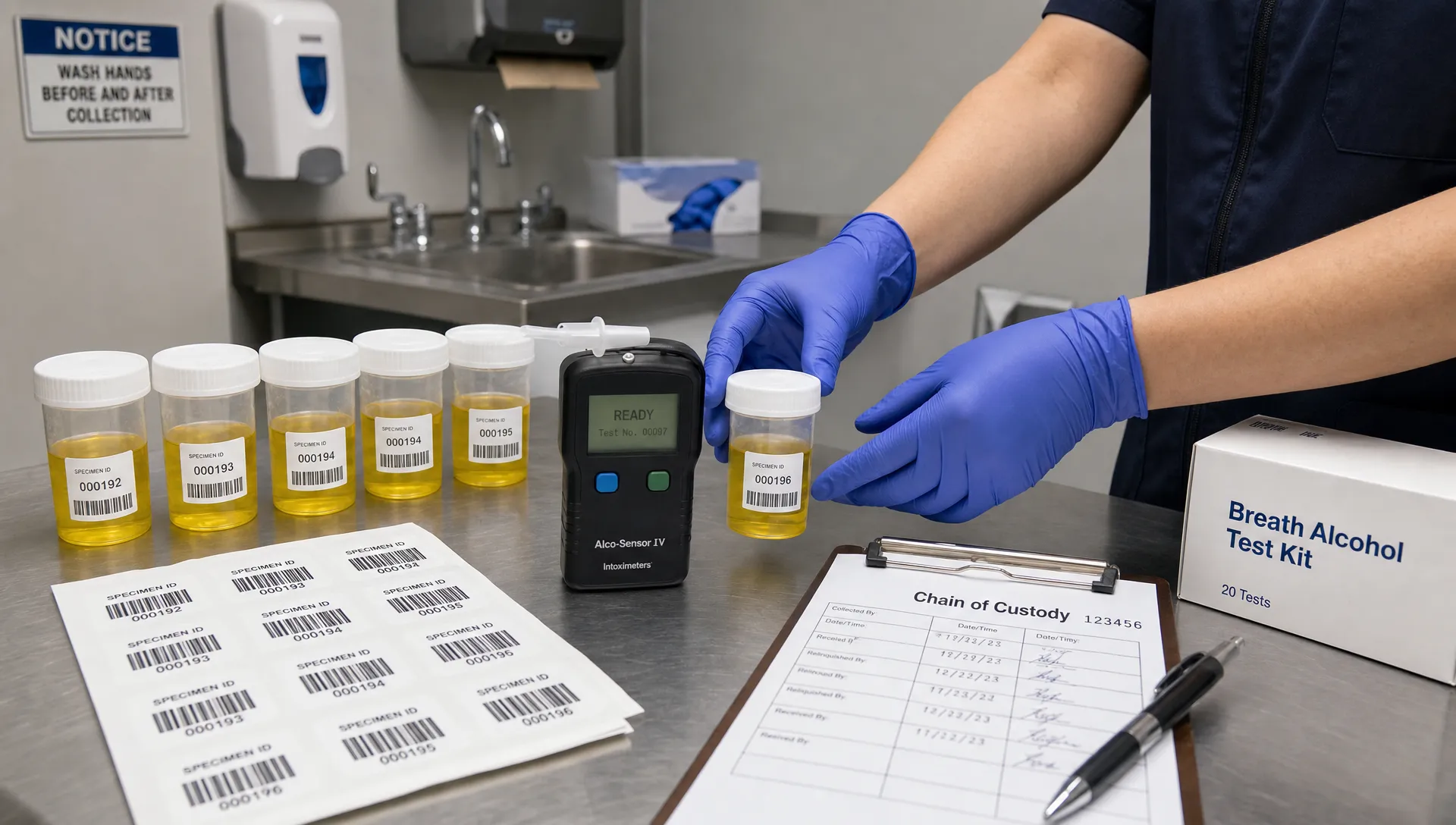

You do not need a court order, a workplace referral or a crisis to seek an alcohol addiction assessment. If drinking is affecting your sleep, relationships, health or ability to follow through on plans, an evaluation can help you understand what is happening and decide what support makes sense. For voluntary care, the best choice is not necessarily the provider offering the fastest report. It is a qualified professional who can assess your concerns, recognize medical risks and explain realistic next steps without pressuring you into a particular program.
Check whether you need medical care first
An assessment appointment is not a substitute for urgent medical attention. Alcohol withdrawal can become dangerous, especially if you have previously had withdrawal seizures, hallucinations or severe confusion.
If you drink regularly and develop shaking, sweating, nausea or a racing heartbeat when alcohol wears off, contact a medical professional promptly before making major changes to your drinking. Do not abruptly stop drinking on your own if you may be physically dependent. A clinician can help determine whether you need medically supervised withdrawal care. Seizures, severe confusion, hallucinations or other severe symptoms warrant emergency care; call 911.
For someone who is medically stable, an alcohol addiction assessment can be a useful starting point even when the concern feels uncertain. You might be drinking more than intended, using alcohol to sleep or noticing that attempts to cut back do not last. None of those concerns requires you to decide in advance that you have an addiction.
The purpose of voluntary care is to clarify your needs, not to make you prove that things are “bad enough.” If withdrawal risk is your main concern, start with a medical provider rather than a service focused primarily on paperwork.
Choose an alcohol addiction assessment that fits your goal
Providers differ in what they evaluate and what they can offer afterward. Before comparing appointment availability, decide what you want help understanding.
| Your main concern | A useful starting point | What to confirm |
|---|---|---|
| Whether your drinking poses a health risk | Primary care clinician or qualified substance use professional | Screening, medical review and next-step guidance |
| Difficulty controlling drinking | Licensed clinician with alcohol treatment experience | Comprehensive assessment and treatment recommendations |
| Withdrawal symptoms or medication questions | Medical professional with relevant experience | Withdrawal evaluation and access to prescribing care |
| Drinking alongside depression, anxiety or trauma | Provider experienced in co-occurring conditions | Assessment of both alcohol use and mental health needs |
| An independent opinion before choosing treatment | Qualified evaluator who explains referral relationships | Written findings, options and any financial ties to programs |
An evaluation-only provider may be appropriate if you want an independent review. A treatment practice may be more convenient if you want ongoing care, but ask whether its recommendations include options outside its own services.
When booking an alcohol addiction assessment, state your purpose clearly: “I am seeking help voluntarily, not completing a court or employer requirement.” That distinction helps the provider confirm whether its appointment format, documentation and follow-up options fit your needs.
Verify qualifications and the scope of the appointment
A professional title alone does not tell you everything. Ask who will conduct the appointment, what license or certification they hold and whether their credentials permit the services you need where you will be located during the visit.
A substance use counselor may have substantial assessment experience without prescribing medication. A medical provider may assess physical complications and discuss medication but refer you elsewhere for specialized counseling. Neither arrangement is automatically better; the issue is whether the provider can address your concerns or coordinate an appropriate referral.
Our guide to choosing a certified drug and alcohol counselor explains credential checks in more detail. Verify credentials through the relevant state licensing board or credentialing organization rather than relying only on a website badge.
Also ask whether the visit is a screening, a comprehensive clinical evaluation or an administrative assessment intended to produce a report. An alcohol addiction assessment for voluntary care should give you meaningful clinical guidance, not simply a document that satisfies someone else’s requirements.
Look for more than a questionnaire score
Brief questionnaires can identify possible alcohol-related risk, but they do not replace a clinical interview. Common tools include the 10-question AUDIT, its three-question AUDIT-C version and the four-question CAGE. They serve different purposes and do not all measure current drinking in the same way.
A fuller evaluation should explore your drinking pattern, attempts to change it, cravings, tolerance, withdrawal symptoms and effects on daily life. Relevant medical conditions, medications, other substance use and mental health symptoms also matter. Your goals and available support should help shape the recommendations.
The National Institute on Alcohol Abuse and Alcoholism explains that alcohol use disorder is diagnosed using clinical criteria, not drinking quantity alone. Under DSM-5-TR criteria, two or more symptoms within a 12-month period can indicate the disorder. Symptom count helps classify severity: mild involves two or three symptoms, moderate four or five and severe six or more.
A useful alcohol addiction assessment connects these findings to your circumstances. Someone who does not meet diagnostic criteria may still benefit from reducing alcohol-related risk, while someone with significant symptoms may need more support than a brief educational session.
Ask how recommendations are made
You should understand why a provider recommends a particular level of care. Ask what findings support the recommendation and what alternatives might also be appropriate.
Recommendations may range from brief counseling and monitoring to outpatient treatment, intensive services or medically supervised withdrawal care. The right setting depends on more than a questionnaire score. Medical stability, psychiatric symptoms, previous treatment experiences, living conditions and available support can all influence the decision.
A provider should be able to explain the difference between a clinical recommendation and a service its organization happens to sell. Ask whether the evaluator receives compensation for referrals or has an ownership relationship with recommended programs. Such relationships do not automatically make a recommendation inappropriate, but they should be transparent.
The value of an alcohol addiction assessment is greater when you leave knowing what to do next, who can provide that care and how soon you should arrange it. A recommendation such as “seek treatment” is less useful than an explanation of the type of care, its purpose and how to access it.
Decide whether telehealth fits your situation
An online appointment can reduce travel and make it easier to seek help privately. It may work well for a clinical interview when you have a reliable connection, a private space and no immediate medical concerns.
Before booking, confirm that the professional can provide the service in the state where you will physically be during the appointment. Ask what happens if the connection fails or if the evaluator identifies an urgent safety concern. You should also know whether the service can coordinate with local medical care when necessary.
Telehealth has limits. A video conversation cannot replace every physical examination, laboratory test or withdrawal evaluation. If the clinician recommends in-person medical care, that does not mean the assessment failed; it means your needs extend beyond what the appointment can safely address.
For a voluntary alcohol addiction assessment, convenience should support clinical quality rather than replace it. Choose a format that lets you speak openly and provides a workable route to additional care.

Compare the full cost, not just the booking fee
Ask what the quoted price includes. Depending on the practice, the interview, written findings, feedback appointment and coordination with another clinician may be separate services. Do not assume that paying for an evaluation includes ongoing counseling, medication management or treatment placement.
If you plan to use insurance, confirm coverage with both the provider and your insurer. Ask about network status, deductibles and whether a separate report is covered. If paying out of pocket, ask about payment arrangements and cancellation policies before entering payment information.
Speed can matter when you are ready to seek help, but distinguish appointment availability from the time needed to complete findings or arrange referrals. A same-day visit does not necessarily mean that every part of the process will be finished that day.
Comparing an alcohol addiction assessment on price alone can overlook an important difference: one service may provide only an interview and report, while another includes a discussion of findings or coordination with your existing clinician. Request a clear description of the service so you can compare like with like.
Understand privacy before sharing information
Voluntary care does not usually involve sending a report to a court or employer, but you should still ask how information is documented and shared. An assessment may become part of a health record, and insurance billing may involve submitting diagnostic or service information.
Ask who can access the record, whether a report will be created and what authorization is needed before information goes to another person. Also ask the provider to explain confidentiality limits, including applicable safety-related and legally required disclosures. Additional federal protections may apply to records held by certain substance use treatment programs, but not every provider operates under the same rules.
For telehealth, privacy also includes your surroundings. Use a space where others cannot overhear you and consider whether messages, appointment reminders or shared insurance communications could disclose that you sought care.
You should not have to guess what happens to information from an alcohol addiction assessment. A provider should explain its privacy practices in understandable terms before you commit to the appointment.
Prepare for a conversation, not a test
You do not need to memorize answers or present your situation in the worst possible light. Accurate information helps the evaluator make safer, more relevant recommendations.
Before the visit, note your usual drinking pattern, heavier drinking occasions, medications and any symptoms that occur when you reduce alcohol. Include previous attempts to change your drinking and what made them easier or harder. Bring your own questions, such as whether medication might help or how treatment could fit around work and caregiving.
Our overview of what to expect in a substance abuse evaluation provides more detail about the appointment process.
At the end, ask for an explanation of the findings, any immediate safety concerns and the recommended next step. If you disagree or feel uncertain, ask how the evaluator reached the conclusion and whether another qualified professional could provide a second opinion.
Frequently asked questions
Can I get assessed even if I am not ready to stop drinking? Yes. You can seek an alcohol addiction assessment to understand your drinking and discuss goals before deciding on treatment. Be honest about your readiness to change. A clinician should also explain any medical risks that affect which goals are safe.
Will an assessment automatically mean I have alcohol use disorder? No. An evaluation may identify risky drinking, alcohol use disorder or concerns that need further investigation. A screening result alone does not establish a diagnosis.
What are the 20 questions used to screen for alcoholism? There is no single universal 20-question assessment used by all clinicians. Various self-tests circulate online, but question count does not establish clinical quality. Ask which validated tool a provider uses and how the results inform the clinical interview.
Does an evaluation include treatment? Not necessarily. Some practices provide assessment and referral only. Others also offer counseling or medical care. Confirm what is included and whether you need a separate appointment or provider for treatment.
Ask about an evaluation that fits voluntary care
Affordable Evaluations offers nationwide telehealth alcohol and drug evaluations with licensed, certified evaluators, HIPAA-compliant video sessions and PDF report delivery. Before booking, explain that you are seeking voluntary care and ask whether the evaluation’s scope fits your clinical questions, what feedback is included and how recommended follow-up care is handled.
You can review the alcohol and drug evaluation service to discuss suitability and practical details. If withdrawal symptoms or urgent health concerns are involved, contact a medical professional first rather than waiting for a routine assessment.